
The ACRP CCRC Secret to Unlocking Elite Research Roles

The ACRP CCRC (Certified Clinical Research Coordinator) certification serves as a pivotal credential for professionals dedicated to advancing their careers within clinical research. This esteemed validation from the Association of Clinical Research Professionals (ACRP) is specifically designed for Clinical Research Coordinators who manage the day-to-day operations of clinical trials at the site level. It formally recognizes individuals who demonstrate a comprehensive understanding of Good Clinical Practice (GCP), regulatory requirements, and ethical considerations essential for conducting compliant and high-quality research. Achieving the ACRP CCRC certification signals to employers and peers a commitment to excellence, deep expertise in the field, and the capability to take on more complex and leadership-oriented research roles. This article delves into the core aspects of this certification, from exam specifics and preparation strategies to its profound impact on career trajectory and professional recognition, offering a forward-thinking perspective for aspiring and current clinical research professionals.
Establishing the ACRP CCRC Credential's Core Purpose
The ACRP CCRC certification stands as a benchmark for competency in clinical research coordination. It validates a coordinator's ability to manage various facets of clinical trials, ensuring participant safety, data integrity, and adherence to protocols and regulations. Professionals who earn this credential are not merely demonstrating knowledge; they are affirming their capacity to execute complex research operations with precision and ethical rigor. This commitment to professional standards aligns with the broader mission of the Association of Clinical Research Professionals (ACRP), which champions excellence in the global clinical research community.
For individuals aspiring to advanced roles or seeking to solidify their expertise, the ACRP CCRC credential offers a clear pathway. It moves beyond foundational knowledge, focusing on the practical application of principles that directly influence trial success and regulatory compliance. The certification process itself is a journey of introspection and intensive study, preparing candidates not just for the exam, but for the elevated demands of leadership in clinical research. This emphasis on practical, high-level competence makes the ACRP CCRC a critical asset for unlocking elite opportunities.
Examination Framework and Structure
Understanding the structure of the ACRP Certified Clinical Research Coordinator (CCRC) examination is fundamental to a successful preparation strategy. The exam is meticulously designed by the ACRP to assess a candidate's comprehensive knowledge and practical application skills across critical domains of clinical research. Familiarity with these details provides a clear roadmap for focusing study efforts and managing expectations.
-
Exam Name: ACRP Certified Clinical Research Coordinator
-
Exam Code: CCRC
-
Duration: Candidates are allotted 180 minutes (3 hours) to complete the examination. This timeframe requires efficient time management and a strong grasp of the material to navigate all questions effectively.
-
Number of Questions: The exam comprises 125 questions in total. Out of these, 100 items are scored, directly contributing to the candidate's final result. The remaining 25 are pretest items, which are non-scored questions used by ACRP to evaluate potential future exam content, and are indistinguishable from scored questions during the exam.
-
Passing Score: A scaled score of 600, out of a possible range of 200-800, is required to pass the ACRP CCRC examination. This scaled scoring system ensures fairness and consistency across different exam versions.
-
Exam Price: The cost of the exam varies based on membership status and registration timing.
-
Early Bird Registration: ACRP Members – $435 USD; Nonmembers – $485 USD.
-
Regular Registration: ACRP Members – $460 USD; Nonmembers – $600 USD.
These pricing tiers highlight the benefits of ACRP membership and early registration. Prospective candidates should consult the official CCRC certification page for the most current pricing and registration deadlines.
Key Domains of CCRC Competence
The ACRP CCRC exam content outline is structured around six core syllabus topics, each weighted to reflect its importance in the role of a Certified Clinical Research Coordinator. A thorough understanding of these domains and their respective weightings is essential for a balanced and effective study plan. These areas collectively ensure that certified professionals possess the breadth of knowledge required for diverse clinical trial environments.
-
Scientific Concepts and Research Design (8%): This domain covers fundamental principles of scientific inquiry, including research methodologies, study types, hypothesis formulation, and basic statistical concepts. A strong foundation here ensures coordinators can understand and critically evaluate trial protocols.
-
Ethical and Participant Safety Considerations (19%): A critical component, this section emphasizes the paramount importance of protecting human subjects. It includes informed consent processes, IRB/EC review, participant privacy, confidentiality, and recognizing and reporting adverse events. Ethical dilemmas and their resolution are also key.
-
Product Development and Regulation (13%): This area explores the lifecycle of investigational products (drugs, biologics, devices), phases of clinical trials, and the regulatory frameworks governing them, such as FDA regulations in the US and international guidelines. Understanding these processes is vital for compliance.
-
Clinical Trial Operations (GCPs) (23%): The largest domain, focusing on the practical execution of trials according to Good Clinical Practice (GCP) guidelines. Topics include protocol adherence, monitoring visits, source documentation, essential documents, and sponsor/CRO relationships. This is where theoretical knowledge meets day-to-day trial management.
-
Study and Site Management (22%): This domain addresses the logistical and administrative aspects of running a clinical trial site. It encompasses site selection, budget negotiation, patient recruitment and retention strategies, staff training, and resource management. Effective site management is key to trial efficiency.
-
Data Management and Informatics (15%): Covers principles of data collection, quality control, data integrity, and the use of electronic data capture (EDC) systems. Knowledge of data security, audits, and basic biostatistics related to data reporting is also important. This ensures reliable and accurate trial data.
Mastery of these domains not only prepares candidates for the CCRC exam but also equips them with the comprehensive skillset necessary to excel in challenging clinical research environments.
Elevating Clinical Research Coordination
Achieving the ACRP CCRC certification directly enhances a professional's capacity to lead and manage clinical trial activities with greater efficacy. Certified individuals often assume expanded responsibilities, becoming key figures in ensuring the smooth progression and integrity of research studies. Their validated expertise allows them to troubleshoot complex operational issues, navigate regulatory challenges, and foster stronger relationships between investigators, participants, and sponsors.
The role of an ACRP Certified Clinical Research Coordinator encompasses a broad spectrum of responsibilities that are critical for the successful execution of clinical trials. These responsibilities are not only about adherence to protocols but also about proactive management and strategic oversight. They serve as the linchpin connecting various stakeholders within a study, driving efficiency and upholding the highest standards of research conduct. Accessing comprehensive ACRP resources can further support professionals in mastering these multifaceted responsibilities.
Key Responsibilities Amplified by CCRC Certification
-
Protocol Implementation and Adherence: Ensuring that every aspect of the clinical trial is conducted strictly according to the approved protocol, including patient screening, enrollment, dosing, and follow-up procedures. CCRC-certified professionals often take the lead in developing site-specific procedures to maintain compliance.
-
Participant Recruitment and Retention: Developing and implementing effective strategies to identify, recruit, and retain eligible study participants. This involves nuanced communication, ethical considerations for vulnerable populations, and ongoing engagement to minimize dropout rates, crucial for study power.
-
Regulatory Compliance and Documentation: Maintaining meticulous records and ensuring all trial activities comply with local and international regulations (e.g., FDA, ICH-GCP). This includes preparing for and managing audits and inspections, ensuring all essential documents are current and accurately filed.
-
Data Management and Quality Assurance: Overseeing the accurate collection, entry, and reporting of all study data. CCRC-certified individuals are adept at identifying and resolving data discrepancies, implementing quality control measures, and safeguarding data integrity through robust documentation practices.
-
Safety Reporting and Management: Vigilantly monitoring participants for adverse events and serious adverse events, ensuring timely and accurate reporting to the principal investigator, sponsor, and regulatory authorities. This responsibility underscores the critical role of the coordinator in participant well-being.
-
Communication and Stakeholder Liaison: Serving as the primary point of contact for participants, investigators, sponsors, and ethics committees. This involves clear, concise, and empathetic communication to manage expectations, address concerns, and facilitate collaborative problem-solving.
-
Budget and Resource Management: Contributing to the efficient allocation and management of site resources, including personnel, equipment, and financial budgets. Certified coordinators often play a role in optimizing operational workflows to ensure trials run cost-effectively.
-
Team Leadership and Training: Often tasked with mentoring junior staff and providing training on trial-specific procedures and GCP guidelines. Their expertise allows them to build competent research teams and foster a culture of quality.
These amplified responsibilities highlight how the ACRP CCRC credential transforms a coordinator into a highly capable and indispensable leader within the clinical research landscape, equipped to drive successful trial outcomes while upholding the highest ethical and scientific standards.
Benefits of Achieving ACRP CCRC Certification
Attaining the ACRP CCRC certification is more than just adding letters after one's name; it's a strategic career move that yields tangible benefits across multiple dimensions of professional life. The credential serves as a powerful differentiator in a competitive field, signaling a deep-seated expertise and an unwavering commitment to the highest standards of clinical research.
Enhanced Professional Credibility and Recognition
One of the most immediate advantages of ACRP CCRC certification is the significant boost in professional credibility. Employers, sponsors, and regulatory bodies recognize the ACRP's rigorous standards, understanding that a CCRC-certified individual possesses a validated level of competence. This recognition translates into increased trust and confidence in a coordinator's ability to manage complex trials ethically and efficiently. Moreover, holding this certification often places professionals in a preferred position for promotions and advanced roles within their organizations, as it demonstrates proactive career development and dedication to the field. Displaying a digital credential badge through platforms like Credly further amplifies this professional recognition globally.
Accelerated Career Advancement
The clinical research landscape is continuously evolving, demanding professionals who can adapt and lead. The ACRP CCRC certification equips individuals with the advanced knowledge and strategic thinking required to navigate these changes. This credential can significantly accelerate career progression, opening doors to positions such as Lead Clinical Research Coordinator, Clinical Trial Manager, or even opportunities in regulatory affairs or quality assurance. Certified professionals are often sought after for their proven ability to handle critical responsibilities, making them valuable assets for research organizations looking to build high-performing teams.
Potential for Higher Salary Expectations
While specific salary figures vary based on location, experience, and the employing organization, ACRP CCRC certification generally correlates with higher earning potential. The specialized skills and validated expertise that come with the credential command a premium in the job market. Employers are often willing to offer more competitive compensation packages to certified individuals, recognizing the direct value they bring in terms of reduced training time, improved compliance, and overall trial efficiency. This can lead to a substantial return on investment for the time and resources committed to achieving the certification, making it a sound financial decision for long-term career growth.
Expanded Professional Network and Opportunities
The journey to ACRP CCRC certification often involves engaging with a broader professional community, either through study groups, training courses, or ACRP membership activities. This expanded network can be invaluable for career development, fostering connections with peers, mentors, and industry leaders. Certified professionals often find themselves invited to participate in specialized projects, speaking engagements, or committee work, further enhancing their visibility and influence within the clinical research sector. These opportunities not only enrich their professional experience but also open pathways to diverse and challenging roles that might otherwise be inaccessible.
In essence, the ACRP CCRC certification is a robust investment in one's professional future, yielding benefits that extend far beyond initial recognition to encompass sustained career growth, financial reward, and profound professional satisfaction.
Eligibility Pathways to CCRC Validation
Understanding the ACRP CCRC certification requirements and eligibility criteria is the crucial first step for any aspiring candidate. The ACRP sets specific standards to ensure that individuals pursuing the CCRC credential possess adequate foundational knowledge and practical experience in clinical research. These criteria are designed to maintain the integrity and value of the certification, ensuring that only qualified professionals achieve this esteemed designation.
The eligibility pathways are structured to accommodate professionals with varying educational backgrounds and levels of experience, recognizing that expertise can be cultivated through diverse routes. Candidates must typically demonstrate a combination of education and direct work experience in clinical research coordination. This ensures a blend of theoretical understanding and real-world application, both vital for effective performance in the role.
Core Eligibility Criteria Overview
While specific requirements can be detailed on the official ACRP website, general eligibility for the ACRP CCRC exam typically revolves around a points-based system or a direct pathway based on education and full-time equivalent (FTE) experience. Candidates generally need to meet one of the following scenarios:
-
Higher Education with Experience: Candidates often require a bachelor's degree (or equivalent) in a related health or science field, coupled with a specified number of years (e.g., two to three years) of relevant full-time experience as a Clinical Research Coordinator. The experience must be direct, hands-on involvement in clinical trials.
-
Associate's Degree with More Experience: For those with an associate's degree, a longer period of direct clinical research coordination experience is typically required. This pathway acknowledges the value of extensive practical experience in lieu of a four-year degree.
-
High School Diploma/Equivalent with Substantial Experience: Individuals with a high school diploma or equivalent may qualify with a significantly longer duration of full-time experience in a CCRC role. This pathway underscores the ACRP's recognition of seasoned professionals who have built their expertise over many years in the field.
-
Specific Duties: Regardless of the education level, the experience must involve specific CCRC duties, such as informed consent, participant recruitment, data collection, regulatory documentation, and adherence to protocol and GCP guidelines. The quality and relevance of the experience are paramount.
It is imperative for all prospective candidates to carefully review the detailed and most current ACRP CCRC eligibility criteria on the official ACRP certification page. Meeting these prerequisites is a non-negotiable step before applying for and sitting the examination, ensuring that a candidate's background aligns with the rigorous standards expected of an ACRP Certified Clinical Research Coordinator.
Strategic Preparation for the CCRC Exam
Embarking on the journey to ACRP CCRC certification demands a disciplined and multifaceted preparation strategy. Given the breadth and depth of the exam content, a haphazard approach is unlikely to yield success. Effective preparation involves not only understanding the syllabus but also developing robust study habits, utilizing appropriate resources, and strategically practicing exam-style questions.
Developing a Robust ACRP CCRC Study Plan
A well-structured study plan is the cornerstone of successful ACRP CCRC exam preparation. Candidates should begin by thoroughly reviewing the ACRP CCRC exam content outline, identifying their strengths and weaknesses across the six domains. This self-assessment helps in allocating study time efficiently, focusing more intensively on areas where knowledge is less robust. Breaking down the vast syllabus into manageable daily or weekly study goals, coupled with regular review sessions, prevents information overload and reinforces learning.
Creating a study schedule that aligns with personal learning styles and availability is also crucial. Some may benefit from intense, short bursts of study, while others prefer longer, more consistent sessions. Integrating active learning techniques, such as creating flashcards, summarizing key concepts in one's own words, or teaching the material to a study partner, can significantly enhance retention. The ACRP Certified Clinical Research Coordinator study guide, if available, or official ACRP resources, should form the backbone of this plan, ensuring alignment with the exam's focus and depth.
Utilizing Practice Resources Effectively
Practice makes perfect, especially when it comes to high-stakes certification exams. Engaging with ACRP CCRC practice exam questions is an invaluable component of any preparation strategy. These questions not only familiarize candidates with the exam format and question types but also help in identifying knowledge gaps under timed conditions. It's important to analyze both correct and incorrect answers to understand the underlying principles and reasoning.
Online exam prep platforms can offer structured learning environments, often including practice tests and detailed explanations. While MedicoExam provides excellent ACRP CCRC practice questions to simulate the exam experience, candidates should seek out a variety of resources. This diversified approach helps to solidify understanding from different perspectives and ensures a comprehensive grasp of the material. The goal is not just to memorize answers but to internalize the rationale behind them, preparing for any variation of a concept on the actual exam.
Considering ACRP CCRC Training Courses
For many candidates, enrolling in dedicated ACRP CCRC training courses can provide the structured guidance and expert instruction needed to navigate the complex exam material. These courses, whether in-person or online, often offer a comprehensive curriculum that mirrors the exam content outline, taught by experienced clinical research professionals. They can provide valuable insights, clarify difficult concepts, and offer a collaborative learning environment.
Training courses often include study materials, practice exercises, and opportunities for peer interaction, which can be particularly beneficial for discussing challenging topics and sharing study strategies. While not mandatory, such courses can be a highly effective investment for individuals who thrive in structured learning environments or who prefer the accountability and expert guidance offered by formal instruction. Evaluating different providers for their curriculum, instructor credentials, and student success rates is recommended to find the best fit for individual learning needs and to ensure they align with the best ACRP CCRC study materials.
Maintaining Your CCRC Credential
Achieving the ACRP CCRC certification is a significant milestone, but maintaining it is equally important for long-term career growth and professional standing. The clinical research field is dynamic, with continuous advancements in science, technology, and regulatory guidelines. Therefore, the ACRP requires certified professionals to engage in ongoing learning and professional development to ensure their knowledge and skills remain current and relevant.
The ACRP CCRC Certification Renewal Process
The ACRP CCRC certification renewal process typically involves accumulating a certain number of continuing education (CE) credits within a defined renewal cycle, usually every two or three years. These CE credits can be earned through a variety of activities, including attending relevant conferences, workshops, webinars, completing online courses, publishing articles, or actively participating in professional organizations. The specific requirements for ACRP CCRC certification renewal are clearly outlined by the ACRP and should be consulted well in advance of the renewal deadline.
This commitment to continuing education reinforces the value of the CCRC credential, demonstrating that certified professionals are dedicated to staying at the forefront of their field. It also provides a structured framework for continuous learning, encouraging proactive engagement with new research methodologies, regulatory changes, and ethical considerations. Renewing the certification validates an individual's ongoing competence and dedication to upholding the highest standards of clinical research practice.
Sustaining Professional Excellence
Beyond the formal renewal requirements, sustaining professional excellence as an ACRP Certified Clinical Research Coordinator involves a commitment to lifelong learning and active participation in the clinical research community. This includes staying informed about emerging trends, critically appraising new research, and contributing to best practices. Engagement with professional networks, mentorship opportunities, and leadership roles within one's organization or professional societies further solidifies one's expertise and influence.
Maintaining the CCRC credential is not merely about fulfilling a requirement; it's about continuously enhancing one's capabilities and adapting to the evolving demands of clinical trials. This ongoing dedication ensures that CCRC-certified professionals remain highly valuable assets to their organizations and continue to drive innovation and quality in the pursuit of new medical discoveries.
Charting Your Course with ACRP CCRC
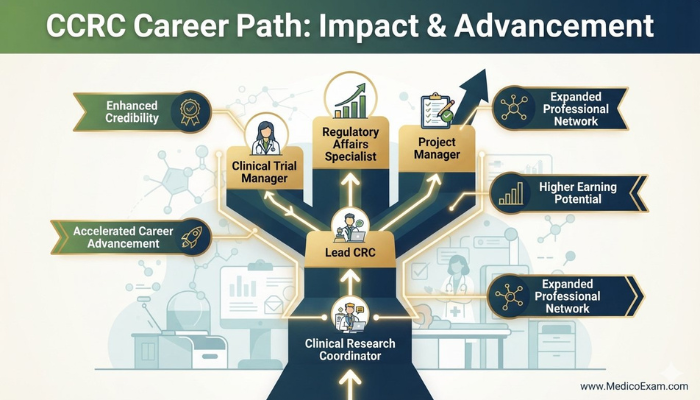
The ACRP CCRC certification acts as a powerful catalyst for career advancement, opening diverse pathways within the expansive field of clinical research. For individuals seeking to solidify their expertise and leadership capabilities, this credential provides a clear competitive edge, demonstrating a profound understanding of the complex nuances involved in managing clinical trials. It transcends basic knowledge, validating the strategic insights and operational prowess essential for navigating advanced research environments.
Exploring Diverse ACRP CCRC Certification Jobs
Professionals holding the ACRP CCRC certification are highly sought after for a variety of roles that demand specialized knowledge and proven competence. Beyond traditional Clinical Research Coordinator positions, the credential can unlock opportunities in:
-
Lead Clinical Research Coordinator: Overseeing multiple studies or junior coordinators, taking on more complex trials, and contributing to site-level strategy.
-
Clinical Trial Manager: Transitioning into roles that involve managing entire clinical trials across multiple sites, working directly with sponsors, and ensuring global compliance and progress.
-
Clinical Research Associate (CRA): Applying site-level expertise to monitor trials from the sponsor or CRO perspective, providing invaluable insights into site operations and challenges.
-
Regulatory Affairs Specialist: Leveraging deep understanding of regulatory guidelines to ensure submissions and trial activities meet all legal and ethical requirements.
-
Quality Assurance/Compliance Specialist: Focusing on auditing trial processes and documentation to identify and rectify non-compliance, ensuring the highest standards of data integrity and participant safety.
-
Research Operations Manager: Taking on administrative and strategic roles to optimize the efficiency and effectiveness of research departments or sites.
These roles often come with increased responsibilities, greater impact on research outcomes, and, typically, higher compensation. The certification provides the foundational credibility and knowledge base required to successfully transition into these advanced positions, making it an indispensable asset for career progression.
Sustaining Impact Through Advanced Practice
An ACRP CCRC-certified professional is not just an executor but often a strategic partner in clinical research. Their validated expertise allows them to contribute to protocol development, identify efficiencies in trial conduct, and mentor less experienced colleagues. This elevated level of engagement ensures that they not only perform their duties but also drive innovation and continuous improvement within their organizations.
The forward-thinking nature of the CCRC credential encourages a proactive approach to challenges in clinical research. From navigating evolving regulatory landscapes to implementing novel recruitment strategies, certified coordinators are equipped to lead with confidence and competence. This continuous engagement with best practices and emerging trends cements their status as elite professionals, making lasting contributions to the development of new therapies and medical advancements.
Conclusion
The ACRP CCRC certification is unequivocally a transformative credential for Clinical Research Coordinators aiming for elite roles within the demanding and vital field of clinical research. It transcends mere validation of knowledge, serving as a testament to a professional's deep expertise, unwavering commitment to ethical practice, and capability to manage complex trial operations with precision. From enhancing professional credibility and accelerating career advancement to opening doors to diverse, high-impact roles, the benefits of achieving and maintaining this certification are profound and far-reaching. It is the secret not just to unlocking new opportunities, but to solidifying one's position as a respected leader and innovator in global health. Professionals who pursue this path are not simply advancing their careers; they are contributing to the integrity and progress of medical science.
For those ready to elevate their standing and contribute at the highest level, the journey towards ACRP CCRC certification is an investment worth making. Begin your preparation today, explore the comprehensive resources available, and take the definitive step towards mastering the art and science of clinical research coordination. To further explore other ACRP certifications and resources for your professional development, including the broader landscape of ACRP offerings, ensure you equip yourself with the best tools and knowledge. Visit the ACRP organization website for additional insights and membership benefits.
Frequently Asked Questions
1. What does ACRP CCRC certification signify for a Clinical Research Coordinator?
The ACRP CCRC certification signifies that a Clinical Research Coordinator has demonstrated a comprehensive understanding and application of clinical trial operations, ethical considerations, and regulatory requirements, validated by the Association of Clinical Research Professionals.
2. How does the ACRP CCRC impact career advancement?
ACRP CCRC certification can significantly accelerate career advancement by enhancing professional credibility, leading to higher-level positions such as Lead CRC, Clinical Trial Manager, or roles in regulatory affairs, and often correlating with increased salary expectations.
3. What are the key eligibility criteria for the ACRP CCRC exam?
Eligibility typically requires a combination of education (e.g., bachelor's degree) and direct full-time experience as a Clinical Research Coordinator, with specific duties related to clinical trials. Criteria vary based on educational background, so checking the official ACRP site is crucial.
4. How should one prepare for the ACRP CCRC exam effectively?
Effective preparation involves developing a structured study plan based on the exam content outline, utilizing official ACRP resources, practicing with sample questions, and potentially enrolling in specialized training courses to cover all domains comprehensively.
5. What is involved in maintaining ACRP CCRC certification?
Maintaining ACRP CCRC certification requires accumulating a specified number of continuing education (CE) credits within a defined renewal cycle, typically every two or three years, through activities like conferences, courses, or professional involvement to ensure ongoing competence.
- ACRP CCRC Question Bank |
- ACRP CCRC Eligibility & Requirements |
- ACRP Clinical Research Coordinator Practice Test |
- ACRP CCRC Exam Cost |
- ACRP CCRC Registration Process |
- ACRP Clinical Research Coordinator Study Guide |
- ACRP CCRC Recertification |
- ACRP CCRC Certification Overview |
- ACRP Clinical Research Coordinator Syllabus |
- ACRP CCRC Preparation Time |
- ACRP CCRC Passing Score |
- ACRP CCRC Exam Format |
- ACRP Clinical Research Coordinator Sample Questions |
- ACRP CCRC Career Opportunities |
- ACRP CCRC Exam Difficulty


