
Stop Guessing: The CCHT Practice Test Method That Works
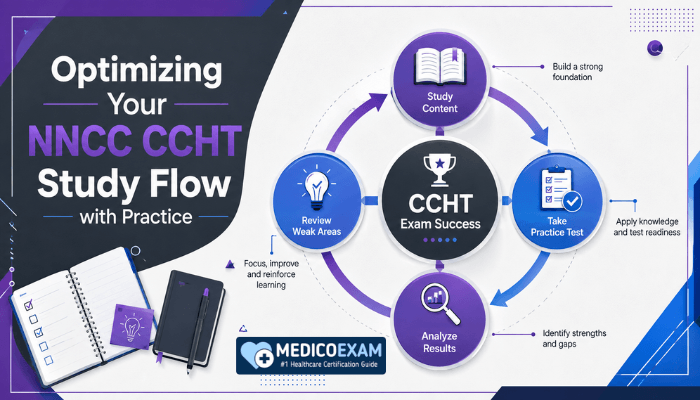
The NNCC Certified Clinical Hemodialysis Technician (CCHT) certification is a benchmark for professionals in renal care. It is offered by the Nephrology Nursing Certification Commission (NNCC). The certification validates essential hemodialysis skills and knowledge. It also supports patient safety and effective treatment. The CCHT exam is designed for aspiring and current hemodialysis technicians. It covers clinical, technical, environmental, and role-specific responsibilities. This article presents a practical preparation strategy focused on the CCHT practice test. It explains how targeted practice and strategic review can improve exam preparation. This approach can make studying more focused, confident, and results-driven.
Capturing the CCHT Certification's Essence
CCHT certification demonstrates a commitment to excellence in hemodialysis care. It reflects adherence to national standards and can improve career opportunities. The credential assures patients and employers of professional expertise. It validates knowledge of patient care, dialysis procedures, equipment operation, and safety protocols. It also highlights ethical responsibilities. CCHT helps professionals strengthen their skills and advance their careers. It demonstrates dedication to patient well-being and supports safe, effective dialysis treatment.
Understanding the CCHT Exam Structure
Navigating any certification journey begins with a clear comprehension of the examination itself. The NNCC Certified Clinical Hemodialysis Technician (CCHT) exam, identified by the exam code CCHT, is a rigorous assessment designed to thoroughly evaluate a candidate’s readiness for the demanding role. Understanding its precise format and administrative details is paramount for effective preparation, allowing candidates to strategically allocate their study time and mental resources. Without a clear picture of what to expect, even the most diligent study efforts can fall short of optimal efficiency.
Key Metrics for the CCHT Assessment
The CCHT exam is structured to test a broad base of knowledge and practical application over a defined period. Candidates should be aware of the following critical statistics and administrative details:
-
Exam Price: The cost to take the CCHT exam is $225 (USD). This fee covers the examination administration and certification process.
-
Duration: Candidates are allotted 180 minutes (3 hours) to complete the entire examination. Effective time management during the test is crucial to answer all questions comprehensively.
-
Number of Questions: The exam comprises a total of 150 questions. However, it's important to note that only 125 of these questions are scored. The remaining 25 questions are unscored pre-test items used by the NNCC for future exam development and do not impact your final score.
-
Passing Score: To achieve CCHT certification, candidates must obtain a minimum passing score of 74%. This threshold underscores the need for thorough preparation across all content domains.
These details provide a foundational roadmap for candidates, highlighting the scope and demands of the CCHT examination. Familiarity with these aspects allows for a more focused and less anxious approach to both studying and test-taking.
Dominant Subject Areas for the NNCC CCHT Exam
The NNCC CCHT certification exam evaluates a technician’s mastery across several key domains, reflecting the multi-faceted nature of the hemodialysis profession. These domains are carefully weighted, indicating their relative importance and the depth of knowledge expected from candidates. A strategic approach to studying involves understanding these weightages to prioritize areas that will have the greatest impact on the final score. The official CCHT exam blueprint provides a detailed breakdown of these content areas, guiding candidates to focus their efforts where they are most needed. You can find the official CCHT exam blueprint for detailed information.
Core Domain Concentrations
The CCHT exam blueprint outlines four primary content domains, each covering specific responsibilities and knowledge sets crucial for Certified Clinical Hemodialysis Technicians. These include:
-
Clinical (48-52%): This is the most heavily weighted section, focusing on patient assessment, care during dialysis, understanding of renal disease, and complications. It encompasses a technician's direct interaction with patients and their ability to monitor and manage treatment effectively. Questions in this domain often test the application of knowledge in real-world clinical scenarios.
-
Technical (21-25%): This domain covers the operational aspects of hemodialysis equipment. It includes knowledge of dialysis machines, water treatment systems, dialyzers, and all associated technical components. Competence here ensures the safe and efficient functioning of the dialysis environment, a critical component of patient safety.
-
Environment (13-17%): This section assesses knowledge related to infection control, safety procedures, and the overall maintenance of a sterile and safe dialysis environment. Understanding environmental protocols is essential to prevent the spread of infections and ensure the well-being of both patients and staff.
-
Role Responsibilities (10-14%): This domain focuses on the professional and ethical duties of a hemodialysis technician. It includes understanding regulatory compliance, communication skills, patient education, and the legal and ethical boundaries of the role. This section emphasizes the technician's integral position within the healthcare team.
Mastering these domains requires a balanced study plan that acknowledges the proportional representation of each on the exam. Candidates should allocate their study time according to these percentages, ensuring comprehensive coverage of the most impactful subjects.
The Strategic Role of a CCHT Practice Test
For aspiring Certified Clinical Hemodialysis Technicians, the CCHT practice test is not merely a supplemental study tool; it is an indispensable component of a winning preparation strategy. Engaging with NNCC CCHT exam questions through simulated environments offers benefits that traditional textbook study alone cannot provide. These benefits extend beyond rote memorization, fostering a deeper understanding of the subject matter and an intuitive grasp of the exam's demands. Effectively utilizing a CCHT practice test transforms passive learning into active, diagnostic preparation, setting the stage for success on the actual certification exam.
Unveiling Exam Readiness
One of the most profound advantages of consistent CCHT practice test engagement is its ability to provide a realistic gauge of your current preparedness. Each practice session acts as a mini-assessment, mirroring the structure, question types, and time constraints of the actual NNCC CCHT exam. This simulation helps you:
-
Gauge Knowledge Application: It assesses not just what you know, but how well you can apply that knowledge under exam conditions.
-
Build Test-Taking Stamina: The 180-minute duration of the CCHT exam requires mental endurance. Regular practice tests build the stamina needed to maintain focus for an extended period.
-
Familiarize with Format: Repeated exposure to the exam format reduces anxiety and allows you to approach the real test with greater confidence and less surprise.
Pinpointing Knowledge Gaps
Beyond assessing overall readiness, a CCHT practice test excels at precisely identifying areas where your understanding is weak or incomplete. Each incorrect answer is an opportunity for targeted learning, providing invaluable feedback that guides your subsequent study efforts. This diagnostic capability allows you to move beyond general review and concentrate on specific topics requiring reinforcement. When reviewing practice test results, focus on:
-
Incorrect Answers: Understand *why* an answer was wrong, not just *that* it was wrong. This involves revisiting the core concept.
-
Time-Consuming Questions: Identify questions that took too long, suggesting either a lack of immediate recall or a need for more efficient problem-solving strategies in that area.
-
Pattern Recognition: Look for recurring themes in your errors across multiple practice tests, indicating systemic gaps in your knowledge base.
Building Time Management Skills
The CCHT exam's 180-minute time limit for 150 questions (125 scored) means candidates have approximately 72 seconds per scored question. Without effective time management, even highly knowledgeable individuals can struggle to complete the exam. CCHT practice tests provide a safe environment to hone these critical skills.
-
Pacing Practice: Regularly taking timed practice tests helps you develop a natural rhythm for answering questions, ensuring you don't spend too much time on any single item.
-
Strategic Skipping: Learn when to mark a difficult question for review and move on, optimizing your use of available time.
-
Sectional Timing: If available, practice tests that break down time by domain can help you understand if you're over-allocating time to certain sections.
By integrating practice tests thoughtfully, you can not only reinforce your understanding of the NNCC CCHT syllabus but also develop the crucial test-taking strategies essential for success. For comprehensive resources, consider exploring in-depth CCHT preparation options available to enhance your study plan.
Crafting Your CCHT Practice Test Routine
Developing an effective CCHT practice test routine is a cornerstone of successful NNCC CCHT certification exam preparation. It's not enough to simply take practice tests; the true benefit comes from a structured approach that integrates testing with active learning and targeted review. A well-designed routine ensures that each practice session contributes meaningfully to your overall understanding and exam readiness, transforming potential weaknesses into strengths.
Integrated Study Plan Development
Your practice test routine should be seamlessly woven into a broader study plan, rather than being an isolated activity. This holistic approach ensures that you're continually building knowledge and refining your test-taking skills.
-
Initial Assessment: Begin with a full-length CCHT practice test early in your study process. This serves as a diagnostic tool, providing a baseline of your current knowledge and highlighting initial areas of weakness.
-
Topic-Specific Practice: After identifying weak areas, engage in practice questions focused solely on those specific topics. This allows for concentrated effort and builds confidence before moving back to broader tests.
-
Scheduled Full-Length Simulations: As the exam date approaches, integrate regular full-length, timed CCHT practice exams into your schedule. Aim for at least one per week in the final month, mimicking actual exam conditions as closely as possible.
-
Consistent Review Sessions: Dedicate specific time slots in your study plan for reviewing practice test results. This is where the most significant learning occurs, as you analyze mistakes and reinforce correct concepts.
Effective Review and Remediation
The true power of a CCHT practice test lies not in the score you achieve, but in the review process that follows. A thorough review helps convert mistakes into learning opportunities and solidifies your understanding of core concepts.
-
Detailed Answer Analysis: For every question—correct or incorrect—review the explanation. Understand why the correct answer is correct and why the incorrect options are wrong. This deepens conceptual understanding.
-
Error Log Maintenance: Keep an "error log" where you record questions you answered incorrectly, the correct answer, and the specific concept tested. Regularly revisit this log to track improvement and identify persistent weak points.
-
Resource Referencing: When you encounter a concept you don't fully understand during review, refer back to your CCHT study guide, textbooks, or official NNCC resources for clarification. Active referencing builds stronger neural connections.
Leveraging Diverse Practice Resources
To truly prepare for the breadth of the NNCC CCHT exam, it’s beneficial to draw from a variety of practice test sources. Relying on a single source might inadvertently limit exposure to different question styles or interpretations.
-
Official NNCC Materials: If available, practice questions or study guides directly from the NNCC are invaluable as they reflect the official exam writers' perspective.
-
Reputable Online Platforms: Utilize online CCHT practice exams from well-regarded test prep providers. These platforms often offer diverse question banks and detailed analytics to track your progress.
-
Study Groups: Collaborating with peers in a study group can provide opportunities to discuss challenging questions and gain different perspectives on problem-solving.
By systematically integrating these elements into your preparation, your CCHT practice test routine will become a dynamic engine for learning, significantly boosting your chances of success on the NNCC CCHT certification exam.
Avoiding Common Pitfalls in CCHT Preparation
The journey to CCHT certification can present various challenges, and candidates often stumble into common pitfalls that hinder their progress. Recognizing and actively avoiding these traps is as crucial as engaging in effective study. A well-informed approach to CCHT certification exam preparation not only maximizes efficiency but also promotes ethical and sustainable learning habits, ensuring true mastery rather than superficial recall.
The Perils of Inauthentic Materials
In the digital age, the temptation to seek shortcuts through "exam dumps" or unverified free CCHT practice questions is prevalent. However, relying on such materials poses significant risks:
-
Inaccurate Information: Dumps often contain outdated or incorrect answers, leading to misinformation that can be detrimental on the actual exam.
-
Lack of Conceptual Understanding: Merely memorizing answers without grasping the underlying concepts fails to prepare you for the varied application-based questions on the CCHT exam.
-
Ethical Implications: Using unauthorized materials violates professional ethics and can lead to disqualification if discovered. Focus on legitimate and comprehensive resources for your Certified Clinical Hemodialysis Technician (CCHT) test prep.
True success stems from genuine understanding and diligent effort, not from attempting to circumvent the learning process. Invest in reputable NNCC CCHT exam review material that upholds academic integrity.
Overcoming Test Anxiety
Test anxiety is another significant hurdle that can undermine even the most thorough preparation. It manifests as mental blocks, physical symptoms, and difficulty concentrating, all of which can negatively impact performance on the NNCC CCHT exam.
-
Simulation Practice: Regularly taking timed CCHT practice tests in an environment that mimics the actual exam can desensitize you to the pressure, making the real test feel less intimidating.
-
Mindfulness and Relaxation Techniques: Incorporate deep breathing exercises, progressive muscle relaxation, or short meditation sessions into your routine. These techniques can help manage pre-exam jitters and maintain calm during the test.
-
Positive Self-Talk: Challenge negative thoughts with positive affirmations about your preparation and capabilities. Believe in your ability to perform well.
Addressing these psychological aspects of exam preparation is just as important as mastering the technical content. A clear, calm mind is your greatest asset on exam day.
Maximizing Your CCHT Exam Review Material
Effective utilization of CCHT exam review material is central to reinforcing knowledge and building confidence for the NNCC CCHT certification. Beyond just taking practice tests, a structured approach to reviewing study resources can deepen your understanding, clarify complex concepts, and ensure comprehensive coverage of the NNCC Certified Clinical Hemodialysis Technician (CCHT) syllabus. This strategy focuses on both official documentation and supplementary educational tools.
Official NNCC Resources
The most authoritative CCHT exam review material comes directly from the NNCC. These resources are designed to align precisely with the exam's content and format, providing an unparalleled advantage.
-
Exam Blueprint: The NNCC provides an official blueprint detailing the content domains and their respective weightages. This document is a foundational tool for structuring your study plan, ensuring you cover all required areas.
-
Candidate Handbook: This handbook typically contains essential information about the exam registration process, rules, and policies, which are critical to understand before exam day.
-
Official Practice Questions (if available): If the NNCC offers official sample questions, these are gold standard examples of the question style and difficulty you can expect.
Always prioritize official sources to ensure your preparation is aligned with the latest exam objectives and guidelines set by the NNCC.
Curated Study Guides and Online Platforms
While official resources provide the backbone, leveraging well-researched study guides and online CCHT practice exams can significantly enhance your preparation. These supplementary materials often break down complex topics into digestible formats and offer extensive practice opportunities.
-
Comprehensive CCHT Study Guides: Look for study guides that are specifically tailored to the NNCC CCHT syllabus. These typically offer in-depth explanations, review questions, and detailed content summaries for each domain.
-
Online CCHT Practice Exam Platforms: Platforms specializing in CCHT test prep offer a vast bank of NNCC CCHT exam questions, often with detailed explanations for each answer. Many include features like timed tests, performance analytics, and customizable quizzes, allowing you to focus on specific weak areas. When seeking robust study tools, exploring various effective study tools is a wise approach.
-
Visual Aids and Multimedia: Incorporate diagrams, videos, and interactive modules that explain hemodialysis concepts. Visual learning can often clarify intricate processes more effectively than text alone.
-
Flashcards: Create or use pre-made flashcards for key terms, definitions, and procedures. This is an excellent method for active recall and memorization of critical facts.
By combining the authoritative guidance of official NNCC materials with the comprehensive coverage and interactive nature of curated study guides and online platforms, you create a robust ecosystem for mastering the Certified Clinical Hemodialysis Technician (CCHT) syllabus and achieving certification.
What to Expect: CCHT Exam Difficulty and Passing Score
Understanding the CCHT exam difficulty and the specific NNCC CCHT exam passing score is vital for setting realistic expectations and managing preparation anxiety. The CCHT certification is designed to assess competency in a critical healthcare field, implying a certain level of rigor. Candidates often wonder about the perceived "difficulty" of the exam, which is subjective but can be contextualized by the exam's structure and content requirements.
The CCHT exam is widely considered challenging due to the breadth and depth of knowledge required across clinical, technical, environmental, and role responsibility domains. It demands not just theoretical understanding but also the ability to apply principles to real-world scenarios. The comprehensive nature of the NNCC Certified Clinical Hemodialysis Technician (CCHT) syllabus means that a superficial review will likely be insufficient. Success hinges on thorough preparation, consistent practice, and a deep conceptual grasp of hemodialysis principles and practices.
As previously noted, the NNCC CCHT exam passing score is 74%. This threshold is a clear indicator of the high standard expected of certified professionals. It means that candidates must demonstrate proficiency in a significant majority of the scored questions. This passing score, coupled with the exam's diverse content, underscores the importance of a well-rounded study approach that does not neglect any major domain. Strategies to achieve this score include:
-
Balanced Study: Ensure adequate time is spent on all four domains, especially the heavily weighted Clinical section (48-52%).
-
Mastering Foundational Concepts: Many questions build on core principles. A strong foundation in basic renal physiology, hemodialysis physics, and patient management protocols is essential.
-
Practice with Purpose: Use CCHT practice tests not just to answer questions, but to understand the rationale behind correct answers and to deeply analyze mistakes. This targeted learning is crucial for improving your score incrementally.
Approaching the CCHT exam with a clear understanding of its demands and the required passing score enables candidates to calibrate their efforts effectively and confidently work towards certification. For further details on NNCC CCHT certification requirements, refer to the NNCC certification details page.
Final Preparations for the CCHT Certification Exam
As the CCHT certification exam day approaches, shifting from intensive study to strategic final preparations becomes paramount. This crucial phase is not about cramming new information but about consolidating existing knowledge, fine-tuning test-taking strategies, and ensuring you are physically and mentally ready. Effective final preparations can significantly boost confidence and optimize performance on the NNCC CCHT exam.
Pre-Exam Logistics
Beyond academic readiness, logistical planning plays a critical role in minimizing stress and ensuring a smooth exam experience.
-
Confirm Location and Time: Double-check your exam appointment details, including the testing center address, date, and precise start time. Plan your travel to arrive early, allowing for unexpected delays.
-
Gather Required Identification: Ensure you have the necessary forms of identification as specified by the NNCC or the testing center. Without proper ID, you may be denied entry.
-
Review the Day Before: The day before the exam, engage in a light review session. Focus on high-level concepts, key formulas, or your error log. Avoid intense, new learning which can lead to burnout or confusion.
-
Prioritize Rest: Get a full night's sleep before the exam. Being well-rested is critical for maintaining focus, recall, and decision-making abilities during the 180-minute test.
Maintaining Focus During the Test
The duration and comprehensive nature of the CCHT exam require sustained concentration. Developing strategies to maintain focus can make a significant difference in your performance.
-
Read Questions Carefully: Take your time to read each question thoroughly, identifying keywords and understanding exactly what is being asked before looking at the answer choices.
-
Eliminate Incorrect Options: Use a process of elimination for multiple-choice questions. Even if you don't immediately know the correct answer, ruling out demonstrably false options increases your chances of selecting the right one.
-
Manage Time Actively: Keep an eye on the clock, especially as you progress through sections. If you find yourself stuck on a question, make an educated guess, mark it for review (if the system allows), and move on to maintain your pacing.
-
Take Short Mental Breaks: If permissible, briefly close your eyes, take a deep breath, or stretch in your seat if you feel mental fatigue setting in. Even a few seconds of mental reset can improve concentration.
These tips for Certified Clinical Hemodialysis Technician (CCHT) test prep extend beyond mere content knowledge, encompassing a holistic approach to exam readiness. By meticulously planning your final preparations, you empower yourself to tackle the CCHT exam with clarity, composure, and a higher probability of success.
The CCHT certification represents a significant professional achievement, validating critical skills for hemodialysis technicians. The journey to earning this credential is rigorous, but entirely achievable with a strategic, well-organized approach. Central to this strategy is the disciplined and diagnostic use of the CCHT practice test. By simulating exam conditions, pinpointing knowledge gaps, and refining time management, practice tests transform passive study into active, outcome-driven preparation. Embracing official resources, ethical study habits, and robust review methodologies will pave the way for a confident and successful exam experience.
Embark on your CCHT certification journey with confidence by leveraging comprehensive resources designed to mirror the actual exam experience. For those ready to elevate their preparation and utilize best CCHT study resources, consider exploring a wide array of comprehensive resources that align with the NNCC CCHT syllabus. These tools can provide the structured practice and detailed feedback necessary to stop guessing and start mastering the material. Your commitment to a method that works will undoubtedly lead to your success as a Certified Clinical Hemodialysis Technician.
Frequently Asked Questions
1. How many questions are on the NNCC CCHT exam and what is the passing score?
The NNCC CCHT exam consists of 150 questions, with 125 of these being scored. Candidates need to achieve a passing score of 74% to earn their certification.
2. What are the main content areas covered by the CCHT exam?
The CCHT exam covers four primary content domains: Clinical (48-52%), Technical (21-25%), Environment (13-17%), and Role Responsibilities (10-14%), reflecting the diverse duties of a hemodialysis technician.
3. How long is the CCHT exam and what is its cost?
The CCHT exam duration is 180 minutes (3 hours). The examination fee is $225 (USD), covering the cost of administration and certification.
4. Why are CCHT practice tests important for preparation?
CCHT practice tests are crucial for identifying knowledge gaps, building test-taking stamina, familiarizing candidates with the exam format, and improving time management skills under simulated conditions.
5. What kind of CCHT exam review material should I prioritize?
Candidates should prioritize official NNCC resources such as the exam blueprint, along with reputable CCHT study guides and online practice exam platforms that align with the official NNCC CCHT syllabus.
- NNCC CCHT Exam Difficulty |
- NNCC CCHT Exam Cost |
- NNCC CCHT Passing Score |
- NNCC CCHT Career Opportunities |
- NNCC Clinical Hemodialysis Technician Study Guide |
- NNCC CCHT Recertification |
- NNCC CCHT Exam Format |
- NNCC CCHT Certification Overview |
- NNCC CCHT Question Bank |
- NNCC CCHT Eligibility & Requirements |
- NNCC Clinical Hemodialysis Technician Practice Test |
- NNCC CCHT Registration Process |
- NNCC Clinical Hemodialysis Technician Sample Questions |
- NNCC CCHT Preparation Time |
- NNCC Clinical Hemodialysis Technician Syllabus


