Boost CNAMB Cert Pass Rates: Our Proven Method
The CC Institute Certified Ambulatory Surgery Nurse (CNAMB) certification stands as a pivotal credential for nursing professionals dedicated to excellence in ambulatory surgical care. This specialized recognition from the CC Institute, denoted by the exam code CNAMB, validates a nurse's advanced knowledge and skills in this critical environment. For those aspiring to elevate their practice, formalize their expertise, or demonstrate an unwavering commitment to patient safety and quality outcomes, mastering the CNAMB exam is a key step. This comprehensive guide will illuminate a proven method designed to boost your CNAMB certification pass rates, covering everything from understanding the exam structure to implementing effective study strategies.
Achieving Excellence in Ambulatory Nursing: The CNAMB Certification
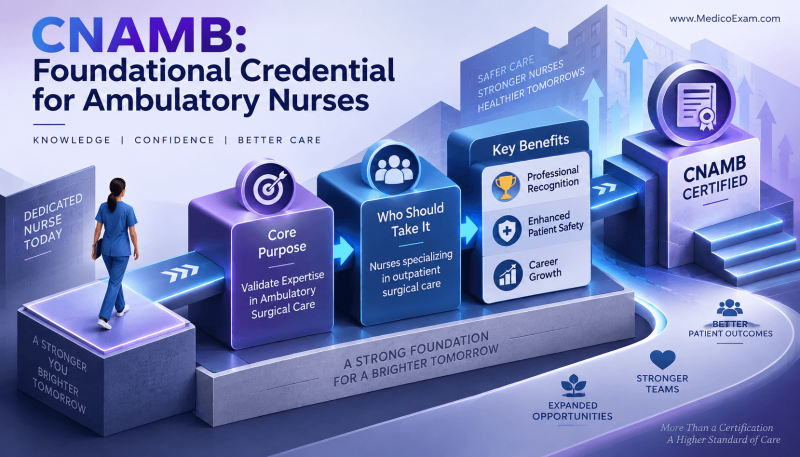
The Certified Ambulatory Surgery Nurse (CNAMB) credential signifies a high level of competence and commitment within the dynamic field of outpatient surgical care. This specialization is increasingly vital as healthcare shifts towards less invasive procedures performed outside traditional inpatient settings, demanding nurses with specific skills to manage patient journeys from pre-op assessment through post-op recovery. Earning this certification not only formalizes a nurse’s specialized expertise but also demonstrates their dedication to upholding the highest standards of patient care and safety in a fast-paced environment.
Professional Recognition and Impact
Attaining the CNAMB certification provides nurses with significant professional recognition, distinguishing them as leaders in ambulatory surgery. This credential enhances their credibility among peers, employers, and patients, signaling a deep understanding of the unique challenges and best practices in this specialty. Such recognition often translates into opportunities for career advancement, leadership roles, and increased influence in clinical decision-making within ambulatory surgery centers.
Advancing Patient Care Standards
The core purpose of the CNAMB certification is to ensure that nurses possess the knowledge to provide optimal care, thereby advancing patient safety and outcomes. Certified nurses are equipped to handle complex patient needs, manage intricate surgical procedures, and navigate potential complications effectively. This commitment to expertise directly impacts the quality of care delivered, fostering a safer and more efficient surgical experience for patients. Further insights into the credential's value can be found on the CC Institute official page.
Dissecting the CNAMB Exam Structure and Format
Understanding the specific details of the CNAMB exam format is fundamental to effective preparation. The CC Institute Certified Ambulatory Surgery Nurse exam, identified by exam code CNAMB, is meticulously designed to assess a broad spectrum of competencies crucial for success in ambulatory surgery nursing. Familiarity with the exam's parameters allows candidates to develop a strategic approach to their study plan and test-taking methodology.
The CNAMB examination features the following key characteristics:
-
Exam Name: CC Institute Certified Ambulatory Surgery Nurse
-
Exam Code: CNAMB
-
Duration: 225 minutes
-
Number of Questions: A total of 200 questions are presented, with 185 questions being scored and 15 remaining unscored.
-
Passing Score: Candidates must achieve a score of 620 on a scale ranging from 200 to 800.
-
Exam Price:
-
CNAMB Single Take: $400
-
CNAMB Take 2: $175
-
This structure indicates that candidates have approximately 1 minute and 7 seconds per question. Effective time management is therefore not just a recommendation but a necessity. Candidates should practice answering questions under timed conditions to build stamina and speed, ensuring they can complete all 200 questions within the allotted 225 minutes.
Navigating the Core Concepts: CNAMB Exam Syllabus
The CNAMB exam syllabus outlines the essential knowledge domains and their respective weightages, providing a clear roadmap for your study efforts. Each domain represents a critical aspect of ambulatory surgery nursing, reflecting the diverse responsibilities and expertise required in this specialized field. A thorough understanding of these areas is paramount for comprehensive preparation for the CC Institute Certified Ambulatory Surgery Nurse exam.
The CNAMB exam covers the following key areas, each contributing a specific percentage to the overall score:
-
Intraoperative Care (20%): This is the largest single domain, emphasizing the nurse's role during surgical procedures, including patient monitoring, sterile technique, and assisting the surgical team.
-
Preoperative Patient Assessment & Diagnosis (14%): Focuses on the initial evaluation of the patient, identifying potential risks, and formulating nursing diagnoses prior to surgery.
-
Communication (12%): Covers effective communication strategies with patients, families, and interdisciplinary team members, crucial for coordination and patient education.
-
Preoperative Plan of Care (12%): Involves developing a holistic care plan based on patient assessment, ensuring readiness for surgery and optimizing outcomes.
-
Postoperative/Transfer of Care (10%): Addresses patient recovery post-surgery, pain management, discharge planning, and ensuring a smooth transition to home or another care setting.
-
Professional Accountability (10%): Encompasses ethical practice, legal responsibilities, professional boundaries, and adherence to standards of care within ambulatory surgery.
-
Management of Personnel, Services, and Materials (9%): Deals with resource management, delegation, staffing, and efficient operation of the ambulatory surgery unit.
-
Instrument Processing and Supply Management (8%): Highlights the importance of sterilization, equipment maintenance, and ensuring the availability of necessary supplies for safe surgical procedures.
-
Emergency Situations (5%): Covers the recognition and initial management of emergent complications in the ambulatory setting.
Prioritizing High-Weightage Domains
Given the percentage breakdown, it is evident that "Intraoperative Care" demands the most significant portion of your study time. However, a balanced approach is crucial; neglecting lower-weightage domains can still impact your overall passing score. Develop a study schedule that allocates more time to high-weightage topics while ensuring sufficient coverage of all areas.
Interpreting the Ambulatory Surgery Nursing Concepts
The syllabus not only lists topics but also reflects the core `Ambulatory surgery nursing concepts CNAMB` candidates must master. Each percentage signals the depth and breadth of knowledge expected. For instance, the emphasis on preoperative and intraoperative care underscores the CNAMB nurse's direct involvement in the surgical process, requiring both theoretical knowledge and practical application skills.
Strategizing for Success: Your CNAMB Exam Study Guide
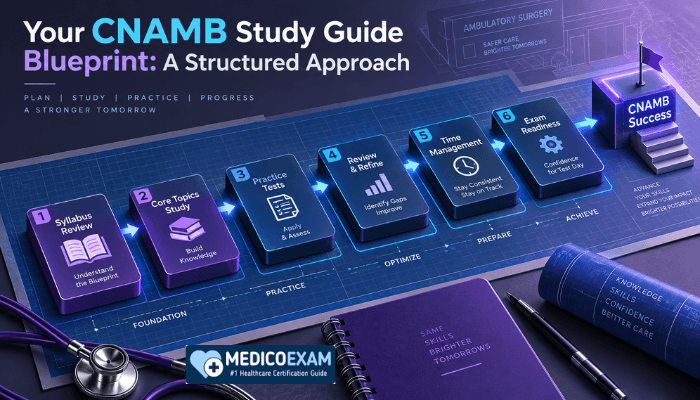
Effective preparation for the CNAMB certification demands more than just casual reading; it requires a structured and adaptive study strategy. Developing a personalized `CNAMB exam study guide` is the cornerstone of boosting your pass rates. This guide should serve as your dynamic roadmap, adapting to your learning style and progress, ensuring all aspects of the syllabus are thoroughly covered.
Developing a Personalized Plan
Begin by honestly assessing your current knowledge base against the detailed CNAMB syllabus. Identify areas where you feel confident and, more importantly, pinpoint your weaker subjects. This initial assessment will guide the allocation of your study time, ensuring you focus where it's needed most. Set realistic, measurable goals for each study session and track your progress to maintain motivation and adjust your plan as necessary. A structured study schedule that integrates diverse learning methods, such as reading, note-taking, and active recall, can significantly enhance retention.
Leveraging Quality Study Materials
The choice of study materials plays a critical role in your preparation. Rely on official resources provided or recommended by the CC Institute. Supplement these with reputable third-party review courses or textbooks specifically designed for ambulatory surgery nursing certification. Engage with content that offers clarity and depth, helping you grasp complex concepts. These materials should be current and aligned with contemporary practice standards in ambulatory surgery.
Integrating Practice Questions Effectively
Practice questions are indispensable for familiarizing yourself with the `CNAMB exam format` and question styles. They help in applying theoretical knowledge to clinical scenarios, identify gaps in understanding, and improve critical thinking skills. Regular engagement with `CC Institute Certified Ambulatory Surgery Nurse practice questions` is vital. Seek out practice tests that provide detailed explanations for both correct and incorrect answers, turning every question into a learning opportunity.
Optimizing Your Preparation: Best CNAMB Exam Study Materials
Selecting the `Best CNAMB exam study materials` is a crucial step for any candidate aiming to achieve the CC Institute Certified Ambulatory Surgery Nurse credential. A well-rounded collection of resources can make the difference between a frustrating preparation journey and a successful one, providing both foundational knowledge and exam-specific readiness. Focusing on high-quality, relevant materials ensures that your study time is invested efficiently.
Curating a Comprehensive Resource Toolkit
Your study toolkit should ideally combine foundational texts with focused exam review guides. Begin with comprehensive ambulatory surgery nursing textbooks to solidify core concepts. These resources provide the depth required to understand the principles underlying each syllabus domain. Complementary materials might include online modules, video lectures, and professional workshops that offer varied perspectives and learning modalities, catering to different learning styles.
Importance of Realistic Practice Tests
Full-length practice tests are invaluable for simulating the actual exam experience. They help you gauge your preparedness, refine your time management skills, and become comfortable with the pressure of a timed test. These simulations often mirror the difficulty and question style of the actual CNAMB exam. For robust practice that reflects the real examination, consider utilizing platforms that offer quality sample questions for CNAMB preparation. Such resources are key to identifying areas that still require review and boosting your confidence.
Avoiding Unreliable CNAMB Resources
While the internet offers a plethora of study aids, it is critical to exercise discernment. Beware of unofficial "dumps" or "actual questions" claims, as these resources are often outdated, inaccurate, and promote unethical study practices. Relying on such materials can undermine your true understanding of the content and compromise the integrity of your certification. Focus on reputable sources that provide validated, educational content aligned with the CC Institute's standards.
Implementing Effective CNAMB Exam Tips
Beyond diligent study, success on the CC Institute Certified Ambulatory Surgery Nurse (CNAMB) exam often hinges on strategic execution on test day. Implementing targeted `CNAMB exam tips` can significantly improve your performance, helping you navigate the questions with confidence and efficiently manage your time. These tips extend from your final preparation days right into the examination room, ensuring you are mentally and tactically prepared.
Pre-Exam Routine and Mental Preparation
In the days leading up to the exam, prioritize rest and nutrition. A well-rested mind is crucial for optimal cognitive function. Avoid cramming at the last minute; instead, engage in light review and self-care. Visualize success and practice positive affirmations to manage anxiety. Familiarize yourself with the testing center's location and logistics to minimize stress on exam day. Arriving early allows for a calm start, settling into the environment before the test begins.
Strategic Question Analysis
When faced with multiple-choice questions, employ a systematic approach. Read each question thoroughly, identifying keywords and understanding what is being asked. Before looking at the answer choices, try to formulate your own answer. Then, carefully evaluate all options. Use the process of elimination to discard clearly incorrect answers, increasing your chances of selecting the right one. Pay close attention to qualifiers like "always," "never," "best," or "first," as these can significantly alter the meaning of a question.
Time Management During the Exam
Given the 225-minute duration for 200 questions, maintaining a steady pace is essential. Allocate a specific amount of time per question and stick to it. If you encounter a particularly challenging question, flag it and move on. Do not dwell too long on any single item, as this can consume valuable time needed for other questions. Return to flagged questions at the end if time permits. Periodically check your progress against the clock to ensure you are on track to complete the entire exam.
Driving Career Progression: Benefits of CNAMB Certification
The decision to pursue the CNAMB certification is an investment in your professional future, yielding substantial returns in career progression and personal fulfillment. The `Benefits of CC Institute Certified Ambulatory Surgery Nurse certification` extend far beyond a mere credential, impacting your professional trajectory, earning potential, and the quality of care you provide. For nurses in ambulatory settings, this certification is a powerful differentiator in a competitive healthcare landscape.
Enhanced Credibility and Professional Standing
Earning the CNAMB credential immediately elevates your professional standing. It signifies that you have met rigorous standards of knowledge and expertise in ambulatory surgery nursing, earning the respect of colleagues, physicians, and employers. This enhanced credibility can open doors to new opportunities, including specialized roles, participation in policy-making, or contributing to quality improvement initiatives within your institution. It positions you as a recognized expert in your field.
Exploring CC Institute Certified Ambulatory Surgery Nurse Job Prospects
Holding the CNAMB certification significantly broadens your `CC Institute Certified Ambulatory Surgery Nurse job prospects`. Employers actively seek certified nurses, recognizing their validated skills and commitment to excellence. This can lead to preferential hiring, opportunities in leading ambulatory surgery centers, or roles that involve complex patient populations. The demand for highly skilled ambulatory nurses continues to grow, making this certification a valuable asset for career mobility and securing desirable positions.
Increased Earning Potential and Leadership Opportunities
Certified nurses often command higher salaries and benefits compared to their non-certified counterparts. The specialized knowledge validated by the CNAMB certification is highly valued by healthcare organizations, translating into a tangible increase in earning potential. Furthermore, the credential can pave the way for leadership roles, such as charge nurse, nurse manager, or educator positions within ambulatory surgery settings, allowing you to influence practice and mentor others.
Sustaining Your Credential: CNAMB Recertification Process
Earning the CNAMB certification is a significant achievement, but maintaining its validity requires ongoing commitment to professional development. Understanding the `CNAMB certification validity` and the `CC Institute CNAMB recertification process` is crucial for ensuring your credential remains current and recognized. This continuous engagement in learning and practice reflects the dynamic nature of healthcare and the need for nurses to stay abreast of the latest advancements in ambulatory surgery.
The Importance of Ongoing Professional Development
Certification in ambulatory surgery nursing is not a one-time event; it is a commitment to lifelong learning. The CC Institute Certified Ambulatory Surgery Nurse certification typically has a defined validity period, after which nurses must undergo a recertification process. This process ensures that certified nurses maintain their competency, keep their skills sharp, and integrate new evidence-based practices into their daily work. It reinforces the value of the credential by ensuring its holders remain at the forefront of the profession.
Adhering to Recertification Guidelines
While specific requirements can vary, the `CC Institute CNAMB recertification process` generally involves demonstrating continued engagement in ambulatory surgery nursing practice and ongoing professional education. This often includes accumulating a certain number of continuing education units (CEUs) or contact hours, and verifying a specified number of practice hours in the specialty. It is essential for CNAMB certified nurses to regularly check the official CC Institute website for the most current and detailed recertification guidelines to ensure timely renewal and avoid lapses in their certification status. Proactive planning helps integrate these requirements into your professional schedule.
Preparing to Pass CNAMB Exam First Attempt
Many candidates aspire to `Pass CNAMB exam first attempt`, and while challenging, it is an entirely achievable goal with a focused and systematic approach. This objective requires more than just studying; it demands a strategic mindset, consistent effort, and a deep understanding of the exam's nuances. Success on the initial try not only provides a tremendous sense of accomplishment but also avoids the time and cost associated with retaking the examination.
Building a Strong Knowledge Foundation
The key to a first-attempt pass lies in establishing an exceptionally strong foundation in all `Ambulatory surgery nursing concepts CNAMB` covers. This involves not just memorizing facts, but truly understanding the underlying principles and their clinical application. Dedicate ample time to each syllabus domain, ensuring no area is neglected. Utilize a variety of study methods—reading, active recall, flashcards, and group discussions—to reinforce learning and deepen your comprehension. A comprehensive understanding allows for critical thinking, which is essential for answering complex scenario-based questions.
Developing Test-Taking Acumen
Beyond content knowledge, mastering test-taking strategies is paramount. Practice interpreting complex questions, identifying distractors, and applying critical reasoning skills under pressure. Full-length practice exams are invaluable for building stamina and refining your pace. Learn to manage your time effectively, allocating appropriate durations for each question. Understanding the rationale behind correct answers, even during practice, strengthens your decision-making process. This combined approach of robust knowledge and refined test-taking skills significantly increases your chances of a `Pass CNAMB exam first attempt`.
Finalizing Your Readiness: A Comprehensive Review
As the date for your CC Institute Certified Ambulatory Surgery Nurse (CNAMB) exam approaches, transitioning from intensive study to a comprehensive review phase is crucial. This final stage is designed to consolidate your knowledge, identify any lingering weak spots, and build confidence, ensuring you are fully prepared for the `CNAMB certification`. It’s about fine-tuning your understanding and mental state for optimal performance.
Identifying and Closing Knowledge Gaps
During your comprehensive review, prioritize revisiting topics where you consistently struggled during practice exams or self-assessments. Use this time to clarify any ambiguities, reinforce difficult concepts, and commit essential facts to memory. Instead of rereading entire textbooks, focus on your notes, summaries, and flashcards. This targeted approach is more efficient and effective for solidifying your understanding across the breadth of the CNAMB syllabus. Collaborating with a study partner for quick question-and-answer sessions can also highlight areas needing further attention.
Maintaining a Positive Mindset
Your mental state on exam day is as important as your knowledge base. Practice mindfulness techniques and stress reduction strategies to keep anxiety at bay. Trust in the diligent preparation you've undertaken and focus on what you know, rather than dwelling on potential unknowns. Ensure you get adequate sleep in the nights leading up to the exam and maintain a healthy diet. A positive, calm, and confident mindset will allow you to approach the CNAMB exam with clarity and focus, enabling you to demonstrate your full capabilities.
The journey to `CNAMB certification` is a testament to your dedication to ambulatory surgery nursing. By systematically approaching the exam, from understanding its structure and mastering the syllabus to employing smart study and test-taking strategies, you are well-positioned for success. The proven method outlined here provides a robust framework to not only prepare but to excel. This credential will validate your specialized skills, enhancing your career prospects and ultimately benefiting the patients you serve. For more detailed insights and to access comprehensive study materials to pass your CNAMB exam, explore resources designed to support your journey.
Frequently Asked Questions
1. What is the CC Institute Certified Ambulatory Surgery Nurse (CNAMB) certification?
The CNAMB certification is a specialized credential offered by the CC Institute, validating a nurse's advanced knowledge and skills in providing care within an ambulatory (outpatient) surgical setting. It demonstrates expertise in the unique demands of this environment.
2. What are the primary benefits of earning the CNAMB credential?
Key benefits include enhanced professional recognition, improved career prospects, potential for higher earning potential, and validation of specialized expertise in ambulatory surgery nursing, contributing to improved patient outcomes and safety.
3. How long is the CNAMB certification valid, and what is the recertification process like?
The CNAMB certification typically has a defined validity period, after which nurses must undergo a recertification process. This usually involves demonstrating continued practice hours and accumulating specific continuing education units, as outlined by the CC Institute.
4. What is the cost associated with taking the CNAMB exam?
The CNAMB exam has a price of $400 for a single take. The CC Institute also offers a "Take 2" option for $175, providing a reduced fee for a second attempt if needed.
5. What job prospects can I expect with the CC Institute Certified Ambulatory Surgery Nurse certification?
With CNAMB certification, nurses can expect expanded job opportunities in ambulatory surgery centers, outpatient clinics, and hospitals. It can lead to specialized roles, leadership positions, and a competitive edge in the job market, validating advanced competence.
- CC Institute CNAMB Question Bank |
- CC Institute CNAMB Eligibility & Requirements |
- CC Institute Ambulatory Surgery Nurse Practice Test |
- CC Institute CNAMB Exam Cost |
- CC Institute CNAMB Registration Process |
- CC Institute Ambulatory Surgery Nurse Study Guide |
- CC Institute CNAMB Recertification |
- CC Institute CNAMB Certification Overview |
- CC Institute Ambulatory Surgery Nurse Syllabus |
- CC Institute CNAMB Preparation Time |
- CC Institute CNAMB Passing Score |
- CC Institute CNAMB Exam Format |
- CC Institute CNAMB Exam Difficulty |
- CC Institute CNAMB Career Opportunities |
- CC Institute Ambulatory Surgery Nurse Sample Questions


