
CNOR Certification: The Definitive Worth-It Analysis
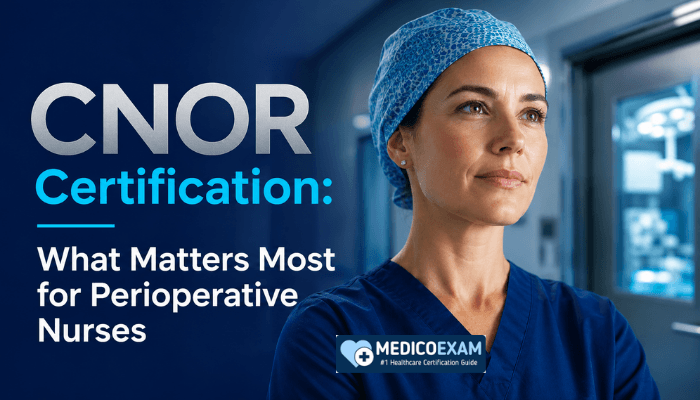
The CNOR certification, offered by the CC Institute, stands as a premier credential for registered nurses practicing in the perioperative setting. This professional designation, formally known as the CC Institute Certified Perioperative Nurse, validates specialized knowledge, skills, and abilities in perioperative nursing. It is specifically designed for experienced nurses who are committed to surgical patient safety and upholding high standards of care. This comprehensive analysis delves into the core aspects of the CNOR exam, including its requirements, benefits, preparation strategies, and renewal process, to help perioperative nurses determine if this certification aligns with their career aspirations and professional growth.
Validating Perioperative Nursing Excellence
The CNOR certification serves as a benchmark for excellence in perioperative nursing. It signifies a nurse's comprehensive understanding of patient care across the surgical continuum, from pre-operative assessment through intra-operative management and immediate post-operative care. Earning this credential demonstrates a commitment to professional development and mastery of the complex demands within the operating room environment. It reinforces a nurse's dedication to optimizing patient outcomes and enhancing safety protocols, which are paramount in surgical settings. For further details on the scope of validated skills, explore the official CNOR page.
Exam Structure and Assessment Metrics
Understanding the structure of the CC Institute Certified Perioperative Nurse (CNOR) exam is crucial for effective preparation. The exam, identified by the code CNOR, is designed to thoroughly evaluate a candidate's knowledge across various perioperative nursing domains. Familiarity with these logistical details provides a strategic advantage, allowing candidates to manage their time and focus during the assessment.
The key components of the CNOR exam include:
-
Exam Price: The standard fee for the CNOR Single Take is $475. For those requiring a second attempt, the CNOR Take 2 option is available for $175.
-
Duration: Candidates are allotted 225 minutes (3 hours and 45 minutes) to complete the examination.
-
Number of Questions: The exam comprises 200 questions in total. Of these, 185 questions are scored, contributing to the final result, while 15 questions are unscored and used for future exam development.
-
Passing Score: To achieve CNOR certification, candidates must attain a scaled score of 620 on a range of 200 to 800.
Syllabus Domains and Knowledge Weightage
The CC Institute CNOR exam syllabus is carefully structured. It covers the critical areas of perioperative nursing practice. Each domain focuses on essential responsibilities and knowledge. These areas are important for certified perioperative nurses. The syllabus also assigns specific weightages to each domain. These weightages indicate their importance on the exam. Understanding these topics is essential for effective exam preparation. It also demonstrates a nurse's ability to provide safe and effective surgical patient care.
The core syllabus topics and their respective weightages are:
-
Pre/postoperative Patient Assessment and Diagnosis - 15%: Encompasses evaluating patient health status before and after surgery, including physical, psychological, and social factors.
-
Individualized Plan of Care Development and Expected Outcome Identification - 8%: Focuses on creating tailored care plans and setting realistic patient goals throughout the perioperative experience.
-
Patient Care and Safety - 25%: The largest section, covering direct patient care activities, maintaining a safe surgical environment, and implementing safety protocols.
-
Management of Personnel, Services and Materials - 9%: Deals with coordinating team members, managing resources, and ensuring the availability of necessary equipment and supplies.
-
Communication and Documentation - 11%: Highlights effective interpersonal communication with patients, families, and the healthcare team, alongside accurate and comprehensive record-keeping.
-
Infection Prevention and Control of Environment, Instrumentation and Supplies - 16%: Addresses strategies and practices to minimize infection risk, maintain sterile fields, and properly handle surgical instruments and supplies.
-
Emergency Situations - 10%: Covers recognizing, responding to, and managing perioperative emergencies, including cardiac arrest, hemorrhage, and anaphylaxis.
-
Professional Accountabilities - 6%: Focuses on ethical practice, legal responsibilities, continuous learning, and advocacy within the perioperative nursing role.
Why Pursue CNOR: Professional and Career Benefits
Earning the CNOR certification brings a multitude of professional and career advantages for perioperative nurses. Beyond personal accomplishment, it often translates into tangible benefits within healthcare institutions. Certified nurses are frequently recognized for their advanced expertise, which can lead to enhanced job security, greater career mobility, and opportunities for leadership roles or specialization. The credential underscores a nurse's commitment to patient advocacy and superior care standards, strengthening trust among patients and colleagues. Employers often view CNOR certification as an indicator of a dedicated and highly competent professional. To gain deeper insight into how certification impacts daily practice, explore perioperative nursing insights.
Assessing the Worth of CNOR Investment
Deciding to pursue CNOR certification involves a careful consideration of the investment required versus the potential returns. The primary financial outlay includes the exam fee, which is $475 for a single attempt. Beyond this, candidates may invest in study materials, review courses, or practice questions. While these costs are considerable, the long-term benefits can significantly outweigh them. Many institutions offer salary differentials or bonuses for certified nurses, and the CNOR credential can be a decisive factor in promotion decisions or when seeking new employment opportunities. The investment is often justified by the increased professional recognition, career advancement prospects, and the deep satisfaction of validating one’s expertise in a specialized field.
Eligibility Pathways for CNOR Credential
Before embarking on the CNOR certification journey, candidates must meet specific eligibility requirements established by the CC Institute. These prerequisites ensure that only experienced and qualified perioperative nurses are certified, maintaining the high standards of the credential. While specific details can vary, typically, candidates must hold a current, unrestricted Registered Nurse (RN) license in the United States or its territories. Additionally, a minimum number of clinical hours in perioperative nursing is usually required, often within the last two years. This experience ensures that candidates possess practical, hands-on knowledge crucial for the exam's scenarios and the demands of the certified role.
Strategic Preparation for the CNOR Exam
Effective preparation for the CNOR exam requires a structured approach and dedication to mastering the broad scope of perioperative nursing. Given the exam's comprehensive nature, a strategic study plan is essential for success. Candidates should begin by reviewing the official CC Institute CNOR exam blueprint, which outlines the detailed content areas and their respective weightages. This foundational review helps in identifying areas of strength and weakness, enabling a more focused allocation of study time.
Effective Study Materials
Accessing high-quality study materials is paramount for thorough preparation. Candidates often benefit from a combination of resources to cover all aspects of the syllabus. These may include official CC Institute CNOR study guides, textbooks focused on perioperative nursing principles, and peer-reviewed journals to stay abreast of current practices. Review courses, whether online or in-person, can offer structured learning and expert guidance. Utilizing CNOR practice questions can reinforce understanding and familiarize candidates with the exam format and question styles, helping to build confidence and refine test-taking strategies. Always prioritize reputable sources and avoid any material that promises shortcuts or guaranteed success. Candidates should review the CNOR Candidate Handbook for official guidance on resources and exam policies.
Building an Exam-Ready Mindset
Beyond factual knowledge, developing a robust exam-ready mindset is critical. This involves consistent study habits, effective time management, and stress reduction techniques. Creating a realistic study schedule and adhering to it helps in covering all material systematically without last-minute cramming. Incorporating regular breaks and self-care activities can prevent burnout and maintain focus. Practicing timed exams can simulate real test conditions, helping candidates manage anxiety and optimize their pacing. Approaching the exam with confidence derived from diligent preparation and a positive attitude significantly increases the likelihood of success.
Navigating the CNOR Certification Renewal
Maintaining the CNOR certification demonstrates a continued commitment to professional excellence and ongoing learning in perioperative nursing. The CNOR certification renewal process typically requires certified nurses to engage in continuing education activities or re-examination within a specific timeframe, often every five years. This ensures that credential holders remain current with the latest advancements, best practices, and evolving challenges in the surgical environment. Information regarding specific requirements, such as professional development units (PDUs) or continuing nursing education (CNE) hours, can be found on the CC Institute's official certification portal. Proactive planning for renewal is essential to ensure uninterrupted credential status and continuous professional recognition.
Conclusion
The CNOR certification represents a significant achievement for perioperative nurses. It serves as a professional benchmark for expertise and dedication to patient safety. Earning the certification requires a considerable investment of time, effort, and financial resources. However, its benefits often extend beyond personal validation. CNOR certification can enhance career opportunities and increase professional credibility. It can also contribute directly to higher standards of patient care. For nurses committed to advancing their practice in the perioperative setting, CNOR certification is more than an option. It can serve as a powerful catalyst for professional growth.
For perioperative nurses ready to elevate their practice, exploring the CNOR certification is a logical next step. Delving into the detailed syllabus, understanding the examination structure, and implementing a tailored study plan can pave the way to success. Equip yourself with the knowledge and tools needed to achieve this distinguished credential and confidently enhance your contributions to surgical patient care. Find comprehensive CNOR preparation resources to begin your journey.
Frequently Asked Questions
1. What exactly is CNOR certification?
CNOR certification demonstrates advanced expertise in perioperative nursing. It shows that a registered nurse has specialized knowledge and skills for safe and effective surgical patient care. The CC Institute validates these professional competencies.
2. What are the typical requirements to be eligible for the CNOR exam?
Eligibility for the CNOR exam generally requires a current, unrestricted RN license and a specified number of clinical practice hours in perioperative nursing, usually within the two years prior to application.
3. What are the main benefits of becoming CNOR certified?
Benefits include enhanced professional credibility, increased job security and career mobility, potential for higher salaries or bonuses, and validation of expertise in ensuring surgical patient safety and optimal outcomes.
4. How much does it cost to take the CNOR exam?
The CNOR Single Take exam costs $475. A CNOR Take 2 option, for a second attempt, is available for $175, excluding any study material costs.
5. What is involved in maintaining CNOR certification?
Maintaining CNOR certification requires meeting continuing education requirements. Nurses may need to earn a specific number of professional development units (PDUs) or continuing nursing education (CNE) hours. Re-examination may also be required within a defined renewal cycle.
- CC Institute CNOR Question Bank |
- CC Institute CNOR Eligibility & Requirements |
- CC Institute Perioperative Nurse Practice Test |
- CC Institute CNOR Exam Cost |
- CC Institute CNOR Registration Process |
- CC Institute Perioperative Nurse Study Guide |
- CC Institute CNOR Recertification |
- CC Institute CNOR Certification Overview |
- CC Institute Perioperative Nurse Syllabus |
- CC Institute CNOR Preparation Time |
- CC Institute CNOR Passing Score |
- CC Institute CNOR Exam Format |
- CC Institute CNOR Exam Difficulty |
- CC Institute CNOR Career Opportunities |
- CC Institute Perioperative Nurse Sample Questions


