
ACRP Certified Professional: The Unstoppable Career Advantage
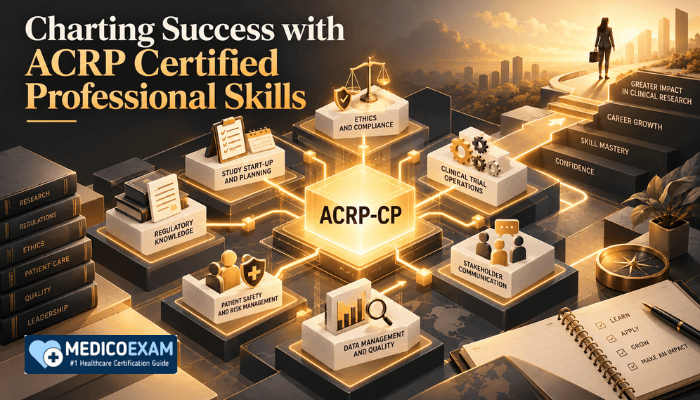
The ACRP Certified Professional (ACRP-CP) certification stands as a benchmark for excellence in clinical research, validating the core knowledge and expertise essential for roles across the clinical trial spectrum. This credential, offered by ACRP (Association of Clinical Research Professionals), is designed for experienced clinical research professionals seeking to formally recognize their comprehensive understanding of clinical research operations, ethical considerations, and regulatory requirements. It signals a practitioner's commitment to the highest standards of the profession and demonstrates their capability to navigate complex research environments effectively. Professionals aiming to solidify their foundational expertise and advance their careers within clinical research will find this certification invaluable. This article delves into the profound advantages of achieving the ACRP-CP certification, exploring its benefits, target roles, preparation strategies, and how it acts as an unstoppable career advantage in a dynamic field.
Validating Clinical Research Excellence: The ACRP Certified Professional Credential
The ACRP Certified Professional (ACRP-CP) certification serves as a definitive validation of a clinical research professional’s comprehensive understanding and practical application of the critical principles governing clinical trials. It signifies that an individual possesses the breadth of knowledge and skills necessary to contribute effectively to the conduct of ethical and compliant research, from study initiation to close-out. This credential addresses the growing industry demand for qualified professionals who can demonstrate proficiency across the multifaceted landscape of clinical research.
Defining the ACRP Certified Professional Standard
The ACRP-CP certification sets a high standard by assessing competency in various domains crucial to clinical research. It moves beyond theoretical knowledge, focusing on practical application and decision-making within real-world scenarios. Achieving this certification reflects a deep commitment to the integrity and scientific rigor required in the development of new treatments and therapies. It emphasizes best practices, adherence to Good Clinical Practice (GCP) guidelines, and robust regulatory compliance.
Professionals who earn the ACRP-CP certification are recognized for their ability to:
-
Interpret Regulations: Navigate complex regulatory frameworks like FDA regulations and ICH-GCP guidelines.
-
Implement Ethics: Apply ethical principles consistently to protect patient rights and welfare.
-
Manage Operations: Oversee study protocols, data collection, and site management effectively.
-
Ensure Quality: Maintain high standards in documentation and data integrity throughout a clinical trial.
-
Problem-Solve: Address operational challenges and ethical dilemmas with sound judgment.
This broad validation ensures that certified professionals are well-equipped to manage the diverse demands of clinical research, providing confidence to employers, sponsors, and, ultimately, patients.
Who Benefits from ACRP-CP Certification?
The ACRP-CP certification is tailored for experienced clinical research professionals, typically those with a minimum of two years of full-time work experience in the field. It is particularly beneficial for individuals whose roles require a holistic understanding of the clinical trial process rather than specialized, niche expertise. This includes professionals who manage various aspects of a study, oversee multiple sites, or contribute to strategic planning and quality assurance initiatives.
Individuals who stand to gain the most from pursuing the ACRP-CP certification include:
-
Clinical Research Associates (CRAs): Seeking to enhance their monitoring and site management expertise.
-
Clinical Research Coordinators (CRCs): Aspiring to take on more complex study responsibilities and leadership roles at their sites.
-
Project Managers: Needing to solidify their understanding of operational nuances and regulatory oversight across studies.
-
Quality Assurance Professionals: Aiming to benchmark their knowledge against industry-recognized best practices.
-
Study Managers and Directors: Looking to reinforce their foundational knowledge for strategic decision-making and team leadership.
The certification acts as a professional milestone, confirming a practitioner’s readiness for increased responsibility and leadership within the fast-evolving clinical research landscape. It positions them as credible experts capable of driving successful and compliant research outcomes.
Advancing Clinical Research Careers with ACRP-CP Distinction
Earning the ACRP Certified Professional certification significantly enhances a professional’s career prospects and trajectory within the clinical research domain. This credential acts as a powerful differentiator in a competitive job market, signaling to employers a profound commitment to excellence and a verified level of expertise. It opens doors to more challenging roles, greater responsibilities, and opportunities for leadership within pharmaceutical companies, contract research organizations (CROs), academic institutions, and government agencies.
Enhanced Credibility and Industry Recognition As a ACRP Certified Professional
The ACRP-CP certification carries substantial weight, conferring instant credibility upon its holders. It is a globally recognized credential from ACRP, a leading professional organization dedicated to advancing clinical research. This recognition extends beyond employers, influencing peers, regulatory bodies, and academic partners who value the rigorous standards upheld by ACRP. Professionals with the ACRP-CP certification are often viewed as more knowledgeable, reliable, and capable of navigating the complexities of clinical trials. This external validation streamlines trust-building and professional interactions, fostering a reputation for competence and ethical conduct.
Unlocking New Professional Opportunities
The distinction of being an ACRP Certified Professional often translates into a wider array of career opportunities. Many organizations prioritize or even require certification for senior roles, recognizing it as a reliable indicator of a candidate's readiness for advanced responsibilities. Certified individuals are frequently considered for positions that involve strategic oversight, critical decision-making, and leadership in complex research projects. Access to a broader network of certified professionals and industry leaders further amplifies these opportunities. Exploring further details on career paths and professional development opportunities can be found on ACRP's official certification page, which highlights the global impact of this credential.
The certification's focus on practical application also means that professionals are better prepared for the demands of diverse roles such as:
-
Lead CRA: Guiding junior monitors and managing multi-site studies.
-
Clinical Project Manager: Overseeing entire clinical trials from start to finish.
-
Regulatory Affairs Specialist: Ensuring compliance with evolving international guidelines.
-
Clinical Quality Assurance Auditor: Conducting independent assessments of research activities.
-
Research Site Director: Managing overall operations and strategic direction of research facilities.
This credential empowers professionals to not just secure jobs, but to build impactful, long-term careers that contribute significantly to medical advancements.
Core Competencies Reinforced by ACRP-CP Credential
The ACRP Certified Professional (ACRP-CP) credential is not merely a badge of honor; it signifies a robust command over a comprehensive set of competencies vital for effective clinical research. By achieving this certification, professionals demonstrate a deep understanding of the regulatory landscape, ethical imperatives, operational complexities, and data management requirements that underpin successful clinical trials. This reinforcement of core skills ensures that certified individuals are well-rounded and immediately valuable contributors to any research team.
Mastery of Clinical Trial Regulations and Ethics
A cornerstone of the ACRP-CP certification is its emphasis on regulatory compliance and ethical conduct. Professionals are rigorously tested on their knowledge of global regulatory guidelines, including the International Council for Harmonisation of Technical Requirements for Pharmaceuticals for Human Use – Good Clinical Practice (ICH-GCP) and specific national regulations such as those from the U.S. Food and Drug Administration (FDA). This mastery is crucial for ensuring that trials are conducted legally, safely, and with the utmost respect for human subjects.
Key areas of focus include:
-
Patient Protection: Understanding informed consent, patient rights, and vulnerable populations.
-
Regulatory Frameworks: Applying national and international regulations to study design and conduct.
-
Investigational Product Management: Ensuring proper handling, storage, and accountability.
-
Reporting Requirements: Knowing how to report adverse events, deviations, and serious non-compliance.
This foundational knowledge forms the ethical backbone of all clinical research, ensuring that patient safety and data integrity are never compromised.
Proficient Study Operations and Project Management
Effective operational management is critical for the timely and successful execution of clinical trials, and the ACRP-CP credential reinforces these essential skills. Certified professionals are adept at managing various facets of study operations, from site selection and initiation to ongoing monitoring and close-out. They demonstrate capabilities in meticulous planning, resource allocation, and troubleshooting, which are all vital for maintaining study timelines and budgets while adhering to protocol.
Competencies in this area involve:
-
Site Selection and Qualification: Identifying and evaluating suitable research sites.
-
Study Initiation: Overseeing the processes for starting a new clinical trial at a site.
-
Monitoring Activities: Performing remote and on-site monitoring visits to ensure data accuracy and protocol adherence.
-
Vendor Oversight: Managing relationships and performance of external service providers.
-
Documentation Management: Maintaining accurate and complete study files and records.
These operational proficiencies enable professionals to effectively drive the progress of clinical trials and ensure their smooth execution.
Data Management and Quality Assurance Acumen
The integrity and reliability of clinical trial data are paramount for regulatory submissions and scientific conclusions. The ACRP-CP certification validates a professional’s understanding of robust data management principles and quality assurance practices. This includes familiarity with electronic data capture (EDC) systems, data validation processes, and the importance of audit trails. Certified individuals are instrumental in ensuring that data collected is accurate, complete, and verifiable, thus supporting the scientific validity of the research findings.
Specific skills include:
-
Data Collection Methods: Understanding CRFs, eCRFs, and source document verification.
-
Data Quality Checks: Implementing procedures to identify and resolve data discrepancies.
-
Database Management: Working with clinical trial databases and understanding data lock processes.
-
Quality Control and Auditing: Participating in quality control measures and preparing for audits.
Through these reinforced competencies, ACRP Certified Professionals play a crucial role in upholding the scientific rigor and trustworthiness of clinical research data, a non-negotiable aspect of bringing new medical breakthroughs to patients.
Targeting Key Roles and Responsibilities with ACRP Certification
The ACRP Certified Professional certification specifically aligns with and significantly strengthens the profiles of individuals in several pivotal roles within clinical research. By validating a broad spectrum of competencies, the ACRP-CP credential ensures that its holders are exceptionally well-prepared to tackle the complex responsibilities inherent in these positions. This targeted advantage makes certified professionals highly sought after for their proven capabilities and in-depth understanding of the clinical trial ecosystem.
Clinical Research Associate (CRA)
For Clinical Research Associates, the ACRP-CP certification is a powerful asset that solidifies their expertise in monitoring, site management, and regulatory compliance. CRAs are the frontline representatives of sponsors and CROs, responsible for ensuring that clinical trials are conducted in accordance with the protocol, Good Clinical Practice (GCP), and applicable regulatory requirements. The certification validates their ability to meticulously review source documents, verify data accuracy, and manage site relationships effectively.
An ACRP-CP certified CRA typically demonstrates advanced proficiency in:
-
On-site Monitoring: Performing comprehensive monitoring visits, including source data verification (SDV).
-
Regulatory Document Review: Ensuring the accuracy and completeness of essential study documents.
-
Investigational Product Accountability: Overseeing the proper storage, dispensing, and return of study drugs.
-
Protocol Adherence: Identifying and reporting protocol deviations and violations.
-
Site Training and Support: Providing guidance and education to site staff on study procedures.
This advanced validation positions CRAs for lead roles and greater strategic input into study execution.
Clinical Research Coordinator (CRC)
Clinical Research Coordinators, often the backbone of research sites, benefit immensely from the ACRP-CP certification by gaining formal recognition for their multifaceted responsibilities. CRCs manage the day-to-day operations of a clinical trial at the site level, including patient recruitment, informed consent, data collection, and direct patient interaction. The certification reinforces their ability to manage complex protocols, maintain regulatory binders, and ensure patient safety and data quality.
The ACRP-CP credential confirms a CRC’s excellence in:
-
Patient Recruitment and Retention: Implementing effective strategies to enroll and keep study participants.
-
Informed Consent Process: Ensuring ethical and compliant consent procedures.
-
Source Document Creation: Developing and maintaining accurate source documentation.
-
Data Entry and Query Resolution: Accurately entering data into electronic systems and resolving discrepancies.
-
Site Audits and Inspections: Preparing for and participating in regulatory inspections.
With the ACRP-CP, CRCs can pursue opportunities as Lead Coordinators, Clinical Study Managers, or even transition to sponsor-side roles. For a more extensive look into the various job functions and career progression paths supported by this certification, consider reviewing a detailed preparation guide that often outlines relevant job roles.
Other Critical Roles in Research
Beyond CRAs and CRCs, the ACRP-CP certification provides significant value to a range of other professionals in the clinical research ecosystem. These roles often require a broad understanding of trial conduct and regulatory oversight, making the comprehensive knowledge validated by the ACRP-CP particularly relevant.
For example, individuals in roles like Clinical Project Managers, Regulatory Affairs Specialists, and Quality Assurance Auditors can leverage the ACRP-CP to demonstrate their foundational expertise and enhance their strategic capabilities. It assures that they possess a holistic perspective of clinical trial operations, which is essential for effective cross-functional collaboration and leadership within a research organization.
Strategic Preparation for the ACRP Certified Professional Exam
Successfully earning the ACRP Certified Professional (ACRP-CP) certification requires a focused and strategic approach to exam preparation. Given the comprehensive nature of the exam, candidates must develop a study plan that effectively covers all tested domains, leverages appropriate resources, and incorporates consistent practice. A well-structured preparation strategy not only enhances the chances of passing but also solidifies the foundational knowledge essential for ongoing professional success.
Understanding the Exam Blueprint
The first critical step in preparing for the ACRP-CP exam is to thoroughly understand its structure and content outline. The official exam blueprint, often referred to as the Exam Content Outline (ECO), details the specific domains, sub-domains, and tasks that the exam covers, along with their respective weightings. This document serves as the roadmap for your study plan, guiding you on where to allocate your time and effort most effectively. Without this fundamental understanding, preparation can be unfocused and inefficient.
Key elements to review in the exam blueprint include:
-
Domain Breakdown: Identify the major subject areas tested (e.g., Scientific & Ethical Conduct, Product Development, Clinical Trial Operations).
-
Task Statements: Understand the specific responsibilities and knowledge areas associated with each domain.
-
Weighting: Note the percentage of questions allocated to each domain, indicating their relative importance.
-
Knowledge & Skills Assessed: Clarify the type of expertise the exam aims to validate.
Familiarizing yourself with the blueprint ensures that your study efforts are aligned with what the exam actually tests. Candidates can find a comprehensive breakdown of the exam content by consulting the official exam content outline provided by ACRP.
Effective Study Methods and Resources
Once the exam blueprint is understood, selecting and utilizing effective study methods and resources becomes paramount. A multi-faceted approach often yields the best results, combining structured learning with self-directed study and practical application. ACRP itself provides various resources, including official study guides, online courses, and workshops, which are highly recommended as primary sources of information. Supplementing these with reputable textbooks and peer-reviewed articles can further deepen understanding.
Consider incorporating these methods into your study routine:
-
Official Study Guides: These are often aligned directly with the exam blueprint and offer targeted content.
-
Online Training Courses: Structured programs can provide a guided learning path and clarify complex topics.
-
Study Groups: Collaborating with peers allows for discussion, varied perspectives, and mutual support.
-
Flashcards: Useful for memorizing definitions, regulations, and key concepts.
-
Case Studies: Practicing how to apply knowledge to real-world clinical research scenarios.
Consistency in your study schedule is vital. Breaking down the material into manageable chunks and reviewing regularly helps retain information and builds confidence.
Practice and Self-Assessment
No preparation is complete without ample practice and self-assessment. Engaging with practice questions and mock exams is crucial for familiarizing yourself with the exam format, question types, and time constraints. This practice helps identify areas of weakness that require further study and refines your test-taking strategies. Analyzing incorrect answers, rather than simply moving on, provides valuable learning opportunities.
Effective practice includes:
-
Practice Questions: Utilize questions that mimic the style and difficulty of the actual exam.
-
Full-Length Mock Exams: Simulate the actual exam environment to manage time and reduce anxiety.
-
Reviewing Explanations: Understand the rationale behind both correct and incorrect answers.
-
Identifying Knowledge Gaps: Pinpoint specific areas where your understanding needs improvement.
Consistent self-assessment allows you to track progress, adapt your study plan as needed, and ultimately approach the ACRP-CP exam with confidence and readiness.
Realizing Value: The Return on Your ACRP-CP Investment
Pursuing and achieving the ACRP Certified Professional (ACRP-CP) certification represents a significant investment of time, effort, and financial resources. However, this investment yields substantial returns, providing tangible and intangible benefits that extend throughout a professional's career in clinical research. The value proposition of the ACRP-CP goes beyond individual career advancement, contributing to higher industry standards and, ultimately, improved patient outcomes.
Demonstrable Expertise and Trust
One of the most immediate returns on the ACRP-CP investment is the ability to demonstrably prove one's expertise. In an industry where trust and competence are paramount, the certification acts as an objective, third-party validation of a professional's deep knowledge in clinical research operations, ethics, and regulatory compliance. This verifiable expertise builds confidence among employers, sponsors, and colleagues, reducing the need for extensive vetting or on-the-job training in foundational areas.
The certification signals that you are:
-
Knowledgeable: Possessing a robust understanding of ICH-GCP, FDA regulations, and ethical guidelines.
-
Reliable: Capable of ensuring data integrity and adherence to study protocols.
-
Professional: Committed to continuous learning and upholding industry best practices.
This trust translates into greater opportunities for autonomy, leadership, and participation in critical projects, as your capabilities are already affirmed.
Potential for Salary Advancement As a ACRP Certified Professional
While individual salaries vary widely based on experience, location, and specific role, studies and industry trends consistently indicate that certified professionals in clinical research often command higher salaries compared to their non-certified counterparts. The ACRP-CP certification equips individuals with a competitive edge that can lead to better compensation packages and faster progression into higher-paying senior and leadership positions. Employers are often willing to invest more in certified staff due to their validated skills and reduced onboarding needs.
The financial benefits can include:
-
Higher Starting Salaries: For new roles requiring comprehensive expertise.
-
Increased Raises: During performance reviews, demonstrating value through certification.
-
Promotional Opportunities: Eligibility for advanced positions with greater earning potential.
-
Negotiation Leverage: A stronger position when discussing compensation.
This potential for salary advancement makes the ACRP-CP certification a sound financial decision, often recouping its initial cost within a short period through enhanced earning power.
Contribution to Patient Safety and Research Integrity
Beyond personal gain, the ACRP-CP certification offers an invaluable return in its contribution to patient safety and the integrity of clinical research. Certified professionals, having demonstrated mastery of ethical principles and regulatory requirements, are better positioned to advocate for and ensure the well-being of study participants. Their rigorous understanding of quality assurance and data management practices helps maintain the scientific validity and reliability of research findings, which is crucial for the development of safe and effective medical treatments.
This larger impact includes:
-
Protecting Participants: Upholding ethical standards and patient rights at all times.
-
Ensuring Data Quality: Contributing to accurate and reliable research data for regulatory review.
-
Accelerating Discoveries: Facilitating efficient and compliant trials that bring new therapies to market faster.
-
Building Public Trust: Reinforcing the credibility of clinical research as a whole.
Thus, the investment in ACRP-CP certification extends its value to the entire healthcare ecosystem, fostering a culture of excellence and responsible scientific advancement.
Sustaining Professional Trajectory Beyond Initial Certification
Earning the ACRP Certified Professional (ACRP-CP) certification is an important career milestone. It also marks the beginning of continuous professional development. Clinical research constantly evolves with new regulations, technologies, and ethical standards. Ongoing learning helps certified professionals stay updated, adapt to new challenges, and contribute greater value to the field.
Continuous Learning and Recertification
The ACRP-CP certification requires periodic recertification, which naturally encourages a cycle of continuous learning. This mechanism ensures that professionals stay updated with the latest industry standards, regulatory changes, and advancements in clinical research methodologies. Engaging in ongoing education through conferences, workshops, webinars, and specialized courses is crucial for maintaining and enhancing expertise. This commitment to continuous professional development not only meets recertification requirements but also reinforces one's role as a lifelong learner dedicated to excellence.
Activities for ongoing learning include:
-
Attending Industry Conferences: Gaining insights into emerging trends and networking with peers.
-
Participating in Webinars and Workshops: Focusing on specific new regulations or advanced techniques.
-
Reading Professional Journals: Staying current with scientific literature and best practices.
-
Pursuing Advanced Degrees: Furthering education in specialized areas like regulatory science or public health.
This dedication to ongoing learning ensures that the value of the ACRP-CP credential remains current and impactful throughout a career.
Networking and Community Engagement
Beyond formal education, active engagement with the clinical research community is vital for sustaining professional growth. The ACRP-CP certification connects individuals to a broad network of certified professionals, experts, and leaders within ACRP and the wider industry. Networking offers invaluable opportunities for mentorship, knowledge sharing, and staying informed about career opportunities and industry trends. Participation in professional organizations, local chapters, and online forums fosters a sense of community and collaborative learning.
Benefits of active engagement include:
-
Mentorship Opportunities: Learning from experienced professionals and guiding newer ones.
-
Knowledge Exchange: Discussing challenges and solutions with peers.
-
Career Insights: Discovering new roles, companies, and industry directions.
-
Professional Advocacy: Contributing to the shaping of future clinical research practices and policies.
These connections help build a strong and adaptable clinical research career. They also provide ongoing professional support and growth opportunities.
Mentorship and Leadership Roles
As ACRP Certified Professionals gain more experience and demonstrate their expertise, opportunities for mentorship and leadership naturally arise. Taking on these roles not only benefits junior colleagues but also solidifies one's own understanding and leadership capabilities. Mentoring involves guiding others through their career paths, sharing insights into clinical research challenges, and fostering a new generation of competent professionals. Leadership roles, whether in managing teams, leading projects, or contributing to strategic initiatives, further develop critical skills such as communication, problem-solving, and decision-making.
Examples of leadership engagement include:
-
Leading Study Teams: Directing the operational aspects of a clinical trial.
-
Training and Development: Educating colleagues on GCP, regulations, or new procedures.
-
Serving on Committees: Contributing to professional organizations or institutional review boards.
-
Innovating Practices: Developing and implementing new, more efficient research methodologies.
ACRP-CP holders advance their careers by embracing these responsibilities. They also strengthen the clinical research profession and help shape its future.
The ACRP Certified Professional (ACRP-CP) certification is a valuable investment in a clinical research career. It demonstrates professional knowledge, ethical commitment, and practical skills. The certification enhances credibility and opens new career opportunities. It also strengthens core competencies and supports patient safety. By earning this credential, professionals can advance their careers and contribute to the quality and integrity of global health research.
Ready to solidify your expertise and unlock your full potential in clinical research? Embark on your journey to becoming an ACRP Certified Professional today. Explore comprehensive study resources and detailed information to guide your preparation and achieve this career-defining milestone. Visit our dedicated page for more ACRP Certified Professional details and take the next crucial step in your professional development.
Frequently Asked Questions
1. What is the ACRP Certified Professional (ACRP-CP) certification?
The ACRP Certified Professional (ACRP-CP) is a globally recognized credential offered by the Association of Clinical Research Professionals (ACRP). It validates an individual's comprehensive knowledge and expertise across critical areas of clinical research, including ethics, regulatory compliance, and operational procedures.
2. Who should consider obtaining the ACRP-CP certification?
The ACRP-CP certification is ideal for experienced clinical research professionals, such as Clinical Research Associates (CRAs), Clinical Research Coordinators (CRCs), and Project Managers, who have at least two years of full-time clinical research experience and wish to formally validate their broad understanding of the field.
3. What are the main benefits of becoming an ACRP Certified Professional?
Key benefits include greater professional credibility and industry recognition. It can open doors to new career opportunities and advanced roles. It may also lead to salary growth. Additionally, it reinforces a commitment to patient safety and research integrity.
4. How long is the ACRP-CP certification valid for, and what are the recertification requirements?
The ACRP-CP certification is typically valid for a specific period, often two or three years. To maintain the certification, professionals must meet ongoing continuing education requirements, which usually involve accumulating a certain number of contact hours through approved activities. Specific requirements may vary and should be confirmed on the official ACRP website.
5. Is the ACRP-CP exam challenging, and how should one prepare for it?
The ACRP-CP exam is comprehensive and assesses practical application, making it challenging. Effective preparation involves thoroughly reviewing the official Exam Content Outline (ECO), utilizing ACRP's recommended study materials (such as study guides and online courses), engaging in practice questions, and understanding Good Clinical Practice (GCP) guidelines and relevant regulations. A structured study plan is highly recommended.
- ACRP-CP Question Bank |
- ACRP-CP Eligibility & Requirements |
- ACRP Certified Professional Practice Test |
- ACRP-CP Exam Cost |
- ACRP-CP Registration Process |
- ACRP Certified Professional Study Guide |
- ACRP-CP Recertification |
- ACRP-CP Certification Overview |
- ACRP Certified Professional Syllabus |
- ACRP-CP Preparation Time |
- ACRP-CP Passing Score |
- ACRP-CP Exam Format |
- ACRP Certified Professional Sample Questions |
- ACRP-CP Career Opportunities |
- ACRP-CP Exam Difficulty


