
Experience Isn't Enough: Validate Your Acute Skills (CPNP-AC)
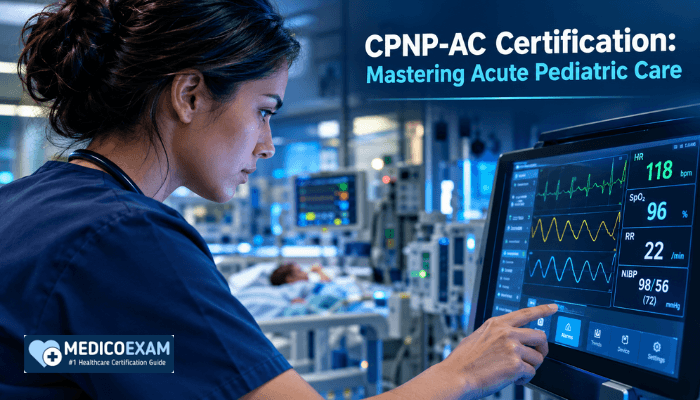
For acute care pediatric nurse practitioners, demonstrating specialized expertise in dynamic, high-stakes environments is paramount. The CPNP-AC Certification, awarded by the Pediatric Nursing Certification Board (PNCB), serves as the definitive credential validating advanced acute care skills for Pediatric Nurse Practitioners. This certification signifies a practitioner's mastery of complex diagnostic and management challenges specific to critically ill pediatric patients, proving that their experience is backed by a nationally recognized standard of excellence. This article delves into the critical role of the PNCB CPNP-AC exam in distinguishing expert practitioners, outlining its structure, preparation essentials, and profound career benefits.
Validating Advanced Pediatric Acute Care Expertise
The role of an Acute Care Pediatric Nurse Practitioner (AC-PNP) is highly specialized, demanding quick thinking, comprehensive knowledge, and precise clinical judgment in fast-paced settings like emergency rooms, intensive care units, and specialized inpatient units. Simply possessing years of experience, while valuable, does not always convey the depth and breadth of acute care proficiency to employers, peers, and, most importantly, patients and their families. The CPNP-AC Certification provides an objective, peer-recognized validation of these crucial capabilities.
This credential affirms a nurse practitioner's commitment to the highest standards of pediatric acute care, encompassing everything from initial assessment to complex intervention. It assures stakeholders that the certified professional has met rigorous criteria and demonstrated competence beyond general pediatric practice, specifically tailored to the nuances of critical and acute illness in children. Through this certification, practitioners solidify their position as indispensable members of the acute care team, ready to tackle the most challenging cases.
Recognizing the CPNP-AC Credential
The PNCB Acute Care PNP certification distinguishes professionals who possess specialized knowledge in managing pediatric patients with acute, chronic, and critical illnesses. It acknowledges a specific scope of practice focused on episodic and complex care, often involving rapid assessment and intervention.
This credential goes beyond foundational PNP certification, focusing specifically on the intense, time-sensitive demands of acute care. It is a benchmark of advanced competency, recognized across healthcare systems as a symbol of expertise in a challenging and essential field of pediatric nursing.
Acute Care PNP Role and Responsibilities
AC-PNPs are integral to interdisciplinary teams, providing direct care, conducting advanced assessments, diagnosing complex conditions, and initiating critical treatments. Their responsibilities often include:
-
Advanced Assessment: Performing comprehensive, focused assessments of acutely ill pediatric patients.
-
Diagnostic Interpretation: Ordering and interpreting diagnostic tests to accurately identify pathologies.
-
Therapeutic Management: Developing and implementing evidence-based treatment plans for acute and critically ill children.
-
Interprofessional Collaboration: Working effectively with physicians, residents, nurses, and other specialists.
-
Patient and Family Education: Communicating complex medical information clearly and providing support.
Procedures: Performing advanced procedures pertinent to the acute care setting.
The CPNP-AC Certification Journey: Key Examination Details
Preparing for the PNCB CPNP-AC exam involves understanding the specifics of the test itself, from its structure to the financial commitment required. A clear grasp of these details is foundational to a successful certification attempt, allowing candidates to plan their study and financial resources effectively.
The exam is designed to rigorously assess a candidate's readiness to perform the demanding duties of an Acute Care Pediatric Nurse Practitioner, covering a broad spectrum of competencies essential for the role. This comprehensive evaluation ensures that certified individuals are well-prepared for the real-world scenarios they will encounter.
Understanding the Exam Structure
The PNCB Acute Care Certified Pediatric Nurse Practitioner exam, identified by exam code CPNP-AC, is a comprehensive assessment lasting 180 minutes. Candidates face a total of 175 questions, though only 150 of these are scored; the remaining 25 are unscored pilot questions used for future exam development. The passing score is set at 400 on a scale ranging from 200 to 800. This design ensures a robust evaluation of a candidate's knowledge and clinical judgment, reflecting the complexity of acute pediatric care.
Navigating the Examination Costs
The cost associated with taking the PNCB CPNP-AC exam is an important consideration for candidates. The initial exam fee is $407, which includes a non-refundable registration fee of $134. For those who need to re-take the examination, the cost is $288. Additionally, if a candidate requires an extension to their testing window, a non-refundable fee of $155 applies. These costs emphasize the commitment required for this advanced certification, underscoring the value of thorough preparation to pass on the first attempt. For comprehensive information regarding the exam registration and fees, candidates can visit the official certification steps PNCB CPNP-AC certification steps page.
Core Competencies: Dissecting the CPNP-AC Exam Syllabus
A deep understanding of the PNCB CPNP-AC exam syllabus is essential for effective preparation. The syllabus outlines the specific domains and tasks that the exam covers, providing a clear roadmap for study. It highlights the critical areas where an Acute Care Pediatric Nurse Practitioner must demonstrate advanced knowledge and clinical judgment.
The syllabus is structured to reflect the multifaceted nature of acute pediatric care, ensuring that certified individuals are proficient across all essential aspects of the role, from initial patient encounter to ongoing management and professional conduct.
Exam Content Areas
The PNCB CPNP-AC exam blueprint distributes questions across several key content areas, each with a specific weight:
-
Assessment (34%): This domain covers the comprehensive evaluation of acutely ill pediatric patients, including history taking, physical examination, developmental considerations, and recognizing subtle signs of deterioration. It emphasizes the critical thinking required to gather and synthesize data rapidly in high-stakes environments.
-
Diagnosis (24%): This section focuses on the ability to interpret assessment findings, order appropriate diagnostic tests, and formulate accurate diagnoses for a wide range of acute and critical pediatric conditions. It requires an understanding of pathophysiology and differential diagnoses across various body systems.
-
Management (37%): The largest portion of the exam, this domain assesses skills in developing and implementing evidence-based treatment plans, pharmacologic and non-pharmacologic interventions, procedural skills, and monitoring patient responses. It includes acute stabilization, ongoing care, and discharge planning.
-
Professional Practice Role (5%): This smaller but crucial domain evaluates understanding of ethical considerations, legal responsibilities, quality improvement, interprofessional collaboration, communication skills, and advocacy within the acute care setting.
Mastering these content areas is vital for candidates aspiring to validate their acute skills. Each domain represents a core responsibility of the AC-PNP, and proficiency in all areas is necessary for delivering optimal patient care.
Achieving Credibility: Eligibility for the CPNP-AC Exam
Before embarking on the rigorous preparation for the CPNP-AC Certification, prospective candidates must ensure they meet the specific eligibility criteria established by the PNCB. These requirements are in place to ensure that only qualified and appropriately educated professionals are deemed eligible to sit for an advanced practice examination, upholding the integrity of the certification and the safety of the pediatric patients they serve.
Understanding these prerequisites early in the process can prevent delays and ensure a smooth application experience, allowing candidates to focus their energies on mastering the exam content rather than administrative hurdles. The PNCB outlines clear pathways for qualification, emphasizing both educational foundation and clinical experience.
Meeting Educational Prerequisites
Candidates for the CPNP-AC Certification must hold a master's or doctoral degree from an accredited acute care pediatric nurse practitioner program. This educational background ensures a solid theoretical foundation specific to the acute care setting.
The program must include specific clinical hours and didactic content focused on the management of acute and critically ill children. This rigorous academic preparation is a cornerstone of the eligibility requirements, setting a high standard for entry into this specialized field. Further details on eligibility can be found on the PNCB CPNP-AC eligibility criteria page.
Experience and Licensure Requirements
Beyond academic credentials, applicants must possess a current, active, unencumbered registered nurse (RN) license. Additionally, candidates must hold an active advanced practice registered nurse (APRN) license as a pediatric nurse practitioner, with specific endorsement for acute care if required by their state board of nursing.
While direct experience hours are often embedded within the accredited educational program's clinical components, continuous professional practice as an AC-PNP is implicitly understood to maintain competency post-certification. These licensure requirements underscore the legal and professional standing necessary to practice at an advanced level in acute pediatric care.
Strategic Preparation for the PNCB CPNP-AC Exam
Successful completion of the PNCB CPNP-AC exam requires more than just general clinical knowledge; it demands a targeted and strategic approach to preparation. Given the breadth of the syllabus and the critical nature of the acute care environment, candidates need to develop a robust study plan that covers all essential domains and skill sets. Effective preparation is the bridge between experience and certified expertise, ensuring readiness for the challenging examination.
This systematic approach involves not only reviewing content but also developing test-taking strategies and utilizing appropriate resources. A well-executed preparation strategy is crucial for passing the PNCB Acute Care Certified Pediatric Nurse Practitioner exam questions with confidence.
Developing a Comprehensive Study Plan
A structured PNCB CPNP-AC study guide is paramount. Begin by reviewing the official exam blueprint to identify strengths and weaknesses across the Assessment, Diagnosis, Management, and Professional Practice Role domains. Allocate study time proportionally to the weight of each section and your comfort level with the material.
Consider creating a realistic timeline, breaking down complex topics into manageable daily or weekly study goals. Integrating active recall techniques, like flashcards and self-quizzing, can significantly enhance retention. Regularly revisit challenging areas to solidify understanding and ensure a well-rounded grasp of all competencies.
Utilizing Effective Study Materials
There is a wealth of resources available to support your PNCB CPNP-AC exam prep. These typically include textbooks on pediatric acute care, peer-reviewed journal articles, and professional organization guidelines. Review courses, either online or in-person, can provide structured learning and highlight key concepts.
Focus on materials that align directly with the PNCB CPNP-AC exam syllabus and are current with the latest clinical evidence. Engaging with study groups can also offer peer support, diverse perspectives, and opportunities to discuss complex topics, enhancing the learning experience and reinforcing critical knowledge.
The Role of Practice Tests
Incorporating practice tests into your study regimen is an indispensable component of successful preparation. A high-quality PNCB CPNP-AC practice test helps familiarize you with the exam format, question styles, and time constraints. Regularly simulating the actual exam environment can reduce test anxiety and improve your pacing.
Analyzing your performance on practice tests is as important as taking them. Identify areas where you consistently struggle, revisit those topics in your study materials, and track your progress. While no practice test can guarantee a pass, they are invaluable tools for assessing readiness and refining test-taking strategies. Platforms like MedicoExam offer valuable resources for candidates seeking to assess their knowledge with relevant practice questions.
It is important to emphasize that ethical preparation is key; always seek out legitimate study resources and avoid any materials that claim to offer "exam dumps" or "actual questions." Such resources not only compromise the integrity of the certification process but also fail to prepare you effectively for the comprehensive knowledge required to pass the exam and perform competently in practice. Focus on understanding the material thoroughly and critically evaluating complex scenarios.
Advancing Your Practice: Benefits of CPNP-AC Certification
Earning the CPNP-AC Certification is more than just passing an exam; it represents a significant milestone in a pediatric nurse practitioner's career, opening doors to advanced opportunities and elevating professional standing. The benefits extend far beyond personal achievement, positively impacting career trajectory, patient care quality, and financial prospects. This credential signals a practitioner's dedication to specialized excellence, setting them apart in a competitive healthcare landscape.
The decision to pursue this certification is an investment in professional growth, solidifying one's expertise and commitment to the complex world of acute pediatric care. It is a testament to an individual's validated acute skills, offering tangible and intangible rewards.
Enhancing Professional Recognition and Trust
Certification by the PNCB demonstrates a validated level of expertise in acute pediatric care, fostering greater trust among patients, families, and healthcare colleagues. This credential signifies adherence to national standards of practice and a commitment to lifelong learning.
Employers often prioritize certified professionals, recognizing the enhanced skill set and dedication that certification represents. It serves as a clear indicator of a practitioner's competence and readiness to handle complex, acute cases with authority and precision.
Expanding Career Opportunities
The PNCB Acute Care Pediatric Nurse Practitioner career path is significantly broadened with the CPNP-AC Certification. It qualifies professionals for leadership roles, specialized positions in critical care units, emergency departments, and specialty services that demand specific acute care expertise. This opens doors to institutions that value advanced credentials and seek to build high-performing acute care teams.
The certification also positions individuals for roles in education, quality improvement, and research, where their specialized knowledge can contribute to the advancement of pediatric acute care practices. Career progression often accelerates for those holding such a distinguished credential, offering a pathway to diverse and impactful opportunities.
Impacting Patient Outcomes
Ultimately, the core benefit of the CPNP-AC Certification is its positive impact on patient care. Certified AC-PNPs are equipped with validated acute skills to accurately assess, diagnose, and manage critically ill pediatric patients, leading to more timely and effective interventions. This specialized expertise contributes directly to improved patient safety, reduced complications, and better overall outcomes.
Families can be confident that their child is receiving care from a practitioner who has met stringent national standards, ensuring the highest level of competence when it matters most. This direct link between certification and enhanced patient well-being underscores the critical value of this credential in modern healthcare.
Potential for Increased Earnings
While the primary motivation for certification is often professional growth and patient care, the average PNCB CPNP-AC nurse practitioner salary can see a positive impact. Employers frequently offer higher salaries and better benefit packages to certified practitioners, recognizing the specialized skills and added value they bring to an organization.
Certification often translates into greater earning potential over the course of a career, reflecting the demand for highly qualified acute care specialists. This financial advantage is a tangible reward for the dedication and rigorous effort invested in achieving this advanced professional designation.
Navigating the CPNP-AC Exam Registration Process
The path to certification requires not only diligent study but also a clear understanding of the PNCB CPNP-AC exam registration process. Navigating the application and scheduling procedures efficiently ensures that your preparation efforts culminate in a smooth exam experience. Paying close attention to deadlines and submission requirements is crucial to avoid any last-minute complications.
The PNCB has established a clear, step-by-step process designed to guide candidates through their application, ensuring all necessary documentation and fees are submitted correctly. This structured approach helps maintain the integrity and accessibility of the certification exam.
Step-by-Step Application
The registration process typically begins with creating an online account on the PNCB website. Candidates will then complete an application form, providing detailed information about their educational background, licensure, and clinical experience. It is crucial to ensure all information is accurate and matches supporting documents, as discrepancies can lead to delays.
Official transcripts from your Acute Care PNP program will need to be submitted, often directly from the university to the PNCB. Once the application is approved and fees are paid, candidates receive an Authorization to Test (ATT), which allows them to schedule their exam at a designated testing center within a specific window.
Important Deadlines and Extensions
Adhering to the specific application deadlines for your desired testing window is vital. The PNCB typically offers multiple testing windows throughout the year, and each has its own associated application period. Missing a deadline may require you to wait for the next available window, which can impact your study timeline.
Should unforeseen circumstances arise, candidates may be able to request a testing window extension for a fee. However, it's always best to plan meticulously and aim to complete the exam within your initial window. Staying informed about all key dates and policies on the PNCB's official website is the best approach for a hassle-free registration.
Sustaining Expertise: Ongoing Professional Development
Achieving CPNP-AC Certification is a significant accomplishment, but it also marks the beginning of a continuous journey of professional development. The field of acute pediatric care is constantly evolving with new research, treatments, and technologies. Maintaining certification requires ongoing learning and adherence to current best practices, ensuring that certified nurse practitioners remain at the forefront of their specialty.
This commitment to lifelong learning not only fulfills recertification requirements but also reinforces the certified practitioner's role as a credible, up-to-date expert, continuously validating their acute skills in a dynamic healthcare environment.
Recertification involves demonstrating continued competence through a combination of clinical practice hours, professional development activities, and sometimes, a re-examination. These requirements are designed to ensure that certified AC-PNPs maintain the high standards of knowledge and skill necessary to provide exceptional care to acutely ill children throughout their careers.
The CPNP-AC Certification is a profound validation of specialized expertise in acute pediatric care. It transforms valuable experience into recognized mastery, offering a clear pathway for professional growth, enhanced credibility, and significant contributions to patient well-being. By diligently preparing for and successfully completing this rigorous examination, Acute Care Pediatric Nurse Practitioners not only elevate their own careers but also reinforce the trust and confidence placed in them by patients, families, and the broader healthcare community. This credential is an investment in excellence, demonstrating an unwavering commitment to the highest standards of pediatric nursing.
Are you ready to elevate your career and validate your acute care skills with the CPNP-AC Certification? Explore comprehensive resources, study guides, and valuable insights to guide your preparation journey. Begin your path to becoming a certified expert and making an even greater impact in pediatric acute care. Discover detailed FAQs and preparation advice to empower your study efforts on our platform, ensuring you are well-equipped to achieve this distinguished credential. Explore comprehensive preparation insights.
Frequently Asked Questions
1. What does the CPNP-AC certification validate?
The CPNP-AC certification validates an Acute Care Pediatric Nurse Practitioner's advanced knowledge and specialized skills in managing critically ill pediatric patients across various acute care settings, demonstrating expertise beyond general pediatric practice.
2. How long is the CPNP-AC exam duration and how many questions are there?
The CPNP-AC exam has a duration of 180 minutes and consists of 175 questions, with 150 questions being scored and 25 unscored pilot questions.
3. What is the passing score for the PNCB CPNP-AC exam?
Candidates must achieve a scaled score of 400 out of a possible 800 to pass the PNCB CPNP-AC exam.
4. Are there specific clinical experience requirements for the CPNP-AC exam?
Eligibility primarily requires a master's or doctoral degree from an accredited Acute Care Pediatric Nurse Practitioner program, which typically includes specific clinical hours embedded within the curriculum. Active RN and Acute Care PNP licensure are also mandatory.
5. How can I best prepare for the CPNP-AC exam?
Effective preparation involves creating a structured study plan, utilizing current pediatric acute care textbooks and resources aligned with the official syllabus, and regularly taking practice tests to familiarize yourself with the exam format and identify areas for improvement.
- PNCB CPNP-AC Question Bank |
- PNCB CPNP-AC Eligibility & Requirements |
- PNCB Acute Care Practice Test |
- PNCB CPNP-AC Exam Cost |
- PNCB CPNP-AC Registration Process |
- PNCB Acute Care Study Guide |
- PNCB CPNP-AC Recertification |
- PNCB CPNP-AC Certification Overview |
- PNCB Acute Care Syllabus |
- PNCB CPNP-AC Preparation Time |
- PNCB CPNP-AC Passing Score |
- PNCB CPNP-AC Exam Format |
- PNCB Acute Care Sample Questions |
- PNCB CPNP-AC Career Opportunities |
- PNCB CPNP-AC Exam Difficulty


