
End AANPCB ENP Prep Overwhelm: Your Curated Plan

The AANPCB Emergency Nurse Practitioner (ENP) certification validates the advanced clinical knowledge and skills of nurse practitioners specializing in emergency care. Achieving the AANPCB ENP credential signifies a commitment to excellence and demonstrates proficiency in managing complex, acute, and critical patient presentations across the lifespan in various emergency settings. This comprehensive guide outlines a curated, efficient, and practical strategy to help nurse practitioners navigate the AANPCB ENP exam prep process, ensuring they are well-equipped to succeed. Here, we cover critical exam details, content areas, and effective study methodologies to demystify the certification path.
Certifying Emergency Nurse Practitioner Expertise with AANPCB
The AANPCB Emergency Nurse Practitioner (ENP) certification is a testament to an NP's advanced qualifications in emergency care. It demonstrates expertise in delivering high-quality, evidence-based care in urgent and emergent situations, encompassing patient assessment, diagnosis, treatment, and disposition. This credential is crucial for nurse practitioners seeking to formalize their specialized role and enhance their professional standing within the demanding field of emergency medicine. It ensures that certified ENPs meet rigorous national standards for practice.
Exam Details: Your Assessment Framework
The AANPCB ENP examination is designed to thoroughly evaluate a candidate's competency. Understanding its structure is the first step towards an effective study plan. The exam consists of 150 questions, though only 135 are scored, with 15 unscored items used for future test development. Candidates are allotted 180 minutes, or three hours, to complete the examination. To achieve certification, a passing score of 500 on a scaled range of 200 to 800 is required. For detailed information regarding the exam, including its purpose and scope, candidates should consult the official certification page.
The cost for the AANPCB ENP exam varies based on membership status:
-
AANP Members: $240
-
Non-members: $315
These fees cover the examination administration and initial certification for successful candidates. It is important to note these costs when planning your certification journey.
Mapping Your AANPCB ENP Knowledge Base
Successful preparation for the AANPCB ENP exam requires a clear understanding of the content areas and their respective weightings. The syllabus covers a broad spectrum of medical and professional practices critical to emergency care. This detailed outline helps candidates prioritize their study efforts and ensures comprehensive coverage of all testable domains. For more comprehensive information about this certification and related preparation materials, consider exploring AANPCB ENP information.
Key Domain Areas and Content Weights
The AANPCB ENP exam content is divided into several main domains, each contributing a specific percentage to the overall score. These domains reflect the multifaceted responsibilities of an Emergency Nurse Practitioner.
-
Medical Screening: 16%
-
Medical Decision Making/Differential Diagnosis: 24%
-
Patient Management: 36%
-
Transitions of Care: 16%
-
Professional Practices: 8%
These percentages highlight the importance of patient management and critical thinking in differential diagnosis, which together constitute the largest portion of the exam.
Specific Disorder Categories
Beyond the primary domains, the exam delves into various disorder categories that emergency nurse practitioners commonly encounter. A thorough understanding of these specific conditions is paramount for effective practice.
-
Cardiovascular Disorders: 11%
-
Abdominal & Gastrointestinal Disorders: 13%
-
Thoracic-Respiratory Disorders: 10%
-
Musculoskeletal Disorders (Non-traumatic): 7%
-
Renal/Genitourinary Disorders: 7%
-
Neurological Disorders: 6%
-
Ear, Eye, Nose, Oral/Dental & Throat Disorders: 8%
-
Traumatic Disorders: 8%
-
Psychobehavioral Disorders: 6%
-
Obstetrics and Gynecology: 5%
-
Environmental and Toxicological Disorders: 3%
-
Systemic Infections and Hematologic and Immune System Disorders: 5%
-
Endocrine, Metabolic, and Nutritional Disorders: 5%
-
Cutaneous Disorders: 6%
This granular breakdown allows candidates to allocate study time proportionally, focusing on high-yield areas while ensuring no significant component is overlooked. Accessing resources from the AANPCB website can provide further clarity on these content areas.
Charting Your AANPCB ENP Study Path
Effective preparation for the AANPCB ENP certification examination goes beyond simply reviewing content; it involves a strategic approach to learning and retention. Overwhelm often arises from a lack of structure, making a curated study plan essential for success. This plan emphasizes a phased approach, integrating diverse learning materials and consistent self-assessment to build confidence and competence.
Building a Foundation: Phase One
Begin by reviewing fundamental advanced practice nursing concepts and core emergency medicine principles. This phase is about solidifying your existing knowledge base and identifying areas that require more intensive study. Focus on physiology, pathophysiology, pharmacology, and advanced physical assessment as they relate to emergency presentations. Prioritize topics with higher weighting on the exam blueprint.
Deepening Knowledge: Phase Two
Once the foundational review is complete, dive into the specific disorder categories listed in the AANPCB ENP exam content outline. This phase requires a detailed study of clinical presentation, diagnostic workup, evidence-based management, and appropriate dispositions for each condition. Utilize textbooks, peer-reviewed articles, and clinical guidelines to ensure your knowledge is current and comprehensive. Organize your notes by body system or chief complaint for easy retrieval.
Reinforcing Learning: Phase Three
This phase is dedicated to active recall, practice questions, and mock exams. Regularly testing yourself under timed conditions helps improve recall speed, refine critical thinking, and identify remaining knowledge gaps. Analyze incorrect answers not just for the right response, but to understand the underlying rationale. Engaging with a variety of question formats will prepare you for the actual exam environment. You can find valuable sample questions to aid in this reinforcement phase.
Navigating Eligibility and Application
Before embarking on intensive study, it is crucial to confirm your eligibility for the AANPCB ENP certification exam. The AANPCB sets specific criteria to ensure that all candidates possess the necessary educational background and clinical experience to perform effectively as Emergency Nurse Practitioners. Understanding these requirements prevents wasted effort and streamlines the application process. Eligibility criteria are established to uphold the integrity and high standards of the certification. Information on specific requirements can often be found through the AANP organization.
Verifying Educational Prerequisites
Candidates must hold a current, active, unrestricted registered nurse license in the United States or its territories. Additionally, applicants need to have graduated from an accredited nurse practitioner program. This program must have prepared the individual for a primary care or acute care nurse practitioner role, and typically includes a strong foundation in physical assessment, pathophysiology, and pharmacotherapeutics. Specialized emergency NP programs are also directly eligible. Official transcripts are generally required to verify academic qualifications.
Clinical Experience Requirements
Beyond academic preparation, the AANPCB ENP certification often requires documented clinical practice hours in an emergency setting. These hours ensure that candidates have practical experience applying their knowledge in real-world scenarios. The specific number of hours and the type of supervision may vary, so it is essential to consult the official AANPCB ENP candidate handbook for the most current and precise details. This clinical component ensures that certified ENPs are not only knowledgeable but also clinically competent.
The Application Submission Process
Once eligibility is confirmed, the next step is to submit a complete application to the AANPCB. This typically involves an online application form, submission of official transcripts, verification of licensure, and documentation of clinical hours. It is advisable to gather all required documents well in advance to avoid delays. Double-checking all entries and attachments before submission can prevent processing issues.
Maximizing Your AANPCB ENP Preparation
Effective preparation for the AANPCB ENP exam involves more than just studying; it requires a strategic integration of resources, continuous self-assessment, and mental readiness. Overcoming test anxiety and building true confidence stem from a well-rounded and disciplined approach that addresses both content mastery and test-taking skills. A practical plan helps streamline your efforts.
Leveraging Diverse Study Materials
A multi-faceted approach to study materials is often the most effective. Relying on a single textbook or resource may leave gaps in your understanding or expose you to a limited perspective.
- Textbooks and Review Guides: Comprehensive emergency medicine textbooks and specialized ENP review books provide in-depth content.
- Online Courses and Webinars: Many organizations offer structured courses that break down complex topics and provide valuable insights.
- Practice Questions and Exams: Regularly engaging with practice questions is crucial for familiarizing yourself with the exam format and identifying areas for improvement. Resources like ENP exam FAQs and preparation guides can further enhance your readiness.
- Professional Journals and Guidelines: Staying updated with the latest clinical practice guidelines and research through professional journals ensures your knowledge is current and evidence-based.
Combining these resources creates a robust study environment that covers all aspects of the exam.
Implementing Active Learning Strategies
Passive reading is often insufficient for retaining complex medical information. Active learning strategies promote deeper understanding and better recall.
- Flashcards: Create physical or digital flashcards for key terms, definitions, and drug facts.
- Teaching Others: Explain concepts to study partners or colleagues. The act of teaching reinforces your own understanding.
- Case Studies: Work through case studies to apply theoretical knowledge to practical scenarios, mimicking the clinical reasoning required during the exam.
- Mnemonics and Memory Aids: Develop mnemonic devices for lists, classifications, or complex pathways to enhance recall.
These methods transform study into an interactive and engaging process.
Maintaining Well-being During Preparation
The journey to certification can be demanding, and neglecting personal well-being can hinder performance. Prioritize adequate sleep, healthy nutrition, and regular physical activity. Incorporate stress-reduction techniques such as mindfulness or short breaks. A balanced approach ensures sustained focus and optimal cognitive function, which are essential for effective long-term study.
Sustaining Professional Credibility
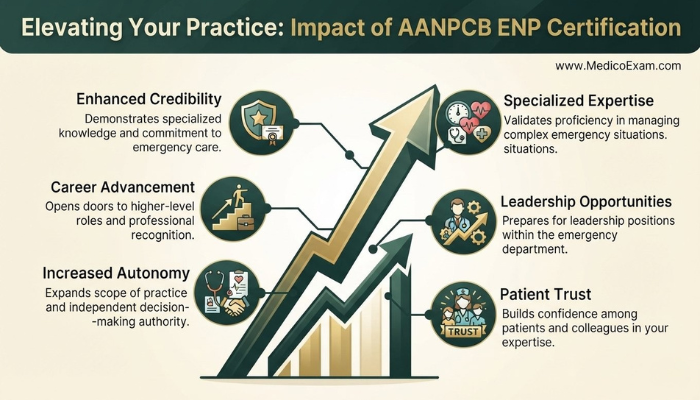
Achieving AANPCB ENP certification is a significant milestone, but maintaining this credential requires ongoing commitment to professional development and adherence to the certification board's renewal processes. Sustaining your certification ensures you remain current in emergency nursing practice and continue to demonstrate expertise throughout your career. This commitment reflects a dedication to patient safety and lifelong learning, reinforcing the value of the ENP credential.
Understanding the Renewal Process
The AANPCB ENP certification is not a one-time achievement; it must be renewed periodically. Typically, renewal involves demonstrating continued clinical practice hours and earning continuing education (CE) credits. The AANPCB has specific requirements for the type and number of CE hours, often including pharmacology, ethics, and other relevant emergency practice topics. It is crucial to track your CE activities diligently from the moment you achieve certification. Detailed information regarding the renewal process can be found on the AANPCB renewal page.
The Importance of Continuous Learning
Emergency medicine is a rapidly evolving field. New research, treatment protocols, and technologies emerge regularly. Continuous learning, beyond just earning CE credits, is vital for all ENPs. This includes actively participating in professional organizations, attending conferences, reading peer-reviewed journals, and engaging in quality improvement initiatives within your practice setting. Lifelong learning enhances your skills, keeps you abreast of best practices, and ultimately benefits your patients.
Leveraging Certification for Career Advancement
The AANPCB ENP certification opens doors to advanced career opportunities and leadership roles within emergency departments, urgent care centers, and critical access hospitals. It can lead to increased earning potential, greater autonomy in practice, and opportunities for specialization or teaching. Actively highlighting your ENP credential on your resume, professional profiles, and during interviews can significantly boost your career trajectory.
Conclusion
The AANPCB Emergency Nurse Practitioner certification is a hallmark of advanced expertise in emergency care. While the preparation journey can seem daunting, a structured, efficient, and practical approach can transform overwhelm into confidence. By systematically covering the exam content, utilizing diverse study materials, and maintaining your well-being, you can effectively prepare for this challenging yet rewarding examination.
Embrace this curated plan, commit to consistent effort, and leverage available resources to pave your way to success. Your dedication to achieving the AANPCB ENP certification underscores your commitment to superior patient care and professional growth. Ready to take the next step in your preparation? Explore comprehensive AANPCB certification resources to support your journey.
FAQs
1. What is the AANPCB ENP certification?
The AANPCB Emergency Nurse Practitioner (ENP) certification is a specialized credential that validates the advanced clinical knowledge and skills of nurse practitioners who work in emergency settings, ensuring they meet rigorous national standards for emergency care.
2. Who is eligible to take the AANPCB ENP exam?
Eligibility typically requires a current, active, unrestricted RN license, graduation from an accredited nurse practitioner program (primary or acute care), and specific clinical experience hours in emergency care. Candidates should always verify the latest requirements with the AANPCB official guidelines.
3. How many questions are on the AANPCB ENP exam and what is the passing score?
The AANPCB ENP exam consists of 150 questions, with 135 scored and 15 unscored. Candidates have 180 minutes to complete the exam, and a passing score of 500 on a scale of 200 to 800 is required for certification.
4. What are the main content areas covered on the AANPCB ENP exam?
The exam covers core domains such as Medical Screening, Medical Decision Making/Differential Diagnosis, Patient Management, Transitions of Care, and Professional Practices, along with specific disorder categories like Cardiovascular, Abdominal, Thoracic-Respiratory, and Traumatic Disorders.
5. How long is the AANPCB ENP certification valid, and what is the renewal process?
The AANPCB ENP certification is typically valid for a set period and requires periodic renewal. Renewal generally involves documenting continued clinical practice hours and completing specific continuing education (CE) credits relevant to emergency nursing. Candidates should refer to the AANPCB website for precise renewal cycle and requirements.
- AANPCB ENP Question Bank |
- AANPCB ENP Eligibility & Requirements |
- AANPCB Emergency Nurse Practitioner Practice Test |
- AANPCB ENP Exam Cost |
- AANPCB ENP Registration Process |
- AANPCB Emergency Nurse Practitioner Study Guide |
- AANPCB ENP Recertification |
- AANPCB ENP Certification Overview |
- AANPCB Emergency Nurse Practitioner Syllabus |
- AANPCB ENP Preparation Time |
- AANPCB ENP Passing Score |
- AANPCB ENP Exam Format |
- AANPCB Emergency Nurse Practitioner Sample Questions |
- AANPCB ENP Career Opportunities |
- AANPCB ENP Exam Difficulty


