
Forget Burnout: CPNP-PC Redefines Your Pediatric Path

The Certified Pediatric Nurse Practitioner – Primary Care (CPNP-PC) credential, offered by the Pediatric Nursing Certification Board (PNCB), represents a pivotal milestone for advanced practice registered nurses (APRNs) dedicated to pediatric primary care. This certification validates a PNP’s specialized knowledge and clinical expertise in delivering comprehensive healthcare to children from birth through young adulthood. For those in pediatric nursing contemplating a career transition or seeking to elevate their professional impact, the CPNP-PC offers a structured pathway to enhanced autonomy, specialized practice, and a redefined professional trajectory.
This article serves as a comprehensive guide for aspiring and current pediatric nurse practitioners, exploring the nuances of the CPNP-PC certification. We delve into the examination's structure, detailed syllabus, and the rigorous preparation required to succeed. More importantly, we highlight the tangible benefits of achieving this certification, from expanded career opportunities and increased earning potential to the profound personal and professional fulfillment it brings. Understanding this certification is the first step toward a more specialized and rewarding pediatric nursing career, offering a potent antidote to professional burnout by opening new avenues for impact and growth.
Understanding the CPNP-PC Credential
The CPNP-PC certification signifies a high level of competency and commitment to the specialized field of pediatric primary care. It is designed for pediatric nurse practitioners who provide comprehensive, family-centered care to infants, children, and adolescents, focusing on health promotion, disease prevention, and the management of common acute and chronic conditions. This credential confirms that a PNP possesses the essential knowledge and skills to assess, diagnose, and treat a diverse pediatric population, ensuring optimal health outcomes within a primary care setting.
Earning this certification from the PNCB underscores a PNP's dedication to maintaining the highest standards of practice and continuous professional development. It distinguishes certified PNPs as leaders in their field, capable of navigating complex pediatric health challenges and serving as vital resources for families. This recognition often translates into greater professional respect, expanded clinical responsibilities, and improved career mobility within the healthcare landscape, solidifying one's expertise as a trusted pediatric primary care provider. For more comprehensive details on the certification, consider exploring the PNCB CPNP-PC certification details.
Evaluating the CPNP-PC Examination Framework
The PNCB CPNP-PC examination is meticulously structured to assess a candidate's mastery across critical domains of pediatric primary care. Understanding this framework is foundational for effective preparation, allowing candidates to strategically allocate study time and focus their efforts. The exam evaluates theoretical knowledge, clinical judgment, and the application of evidence-based practice necessary for safe and effective care.
The examination details are as follows:
-
Exam Name: PNCB Primary Care Certified Pediatric Nurse Practitioner
-
Exam Code: CPNP-PC
-
Exam Price: The initial exam cost is $407, which includes a non-refundable registration fee of $134. For re-examinations, the cost is $288. A non-refundable testing window extension fee of $155 may apply if needed.
-
Duration: Candidates are allotted 180 minutes (3 hours) to complete the exam.
-
Number of Questions: The exam comprises 175 questions in total. Of these, 150 questions are scored, and 25 are unscored pretest questions used for future exam development.
-
Passing Score: A scaled score of 400 is required to pass, out of a total possible range of 200-800.
This comprehensive structure ensures that certified PNPs are thoroughly prepared to meet the diverse and dynamic needs of pediatric primary care. Successful navigation of this exam framework is a testament to a practitioner's readiness for advanced roles.
Core Content Areas: CPNP-PC Syllabus Breakdown
The CPNP-PC exam syllabus is designed to reflect the breadth and depth of a primary care pediatric nurse practitioner's responsibilities. It is divided into key content domains, each carrying a specific weight in the overall examination. A detailed understanding of these areas is crucial for candidates to develop a targeted and efficient study plan, ensuring comprehensive coverage of all tested competencies.
The key syllabus topics and their respective weightings are:
-
Health Maintenance and Promotion (30%): This domain covers anticipatory guidance, developmental assessment, immunizations, nutrition, safety, and health screening across the pediatric age spectrum.
-
Assessment and Diagnosis (35%): Encompassing history taking, physical examination, diagnostic reasoning, and the interpretation of laboratory and diagnostic tests for various pediatric conditions.
-
Management (30%): Focusing on pharmacological and non-pharmacological interventions, patient education, counseling, coordination of care, and follow-up for acute and chronic pediatric health issues.
-
Leadership, Ethics, and Practice Management (5%): This section addresses professional responsibilities, ethical dilemmas, legal considerations, quality improvement, and the business aspects of pediatric primary care practice.
Each domain emphasizes the critical thinking and clinical decision-making skills required for effective pediatric primary care. Candidates should consult the official PNCB CPNP-PC exam blueprint for the most detailed breakdown of topics within these categories to guide their study efforts.
Realizing Career Growth with CPNP-PC Certification
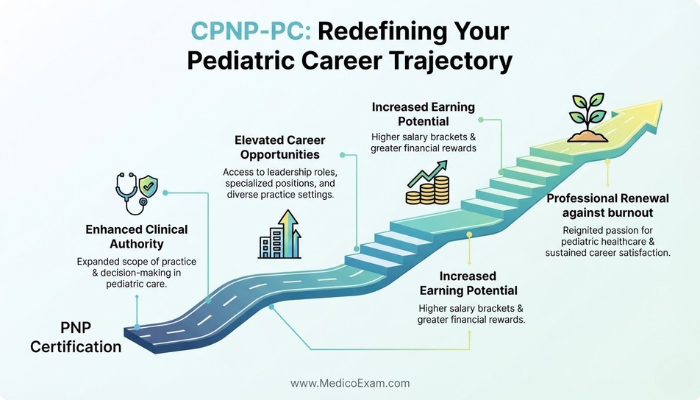
Achieving CPNP-PC certification is a transformative step that significantly broadens a pediatric nurse practitioner's career horizons. It’s an investment that yields substantial returns, not just in professional validation but also in tangible career advancement and personal satisfaction. For many, it represents an opportunity to specialize further, take on leadership roles, and exert a greater impact on pediatric health outcomes, moving beyond the confines of general nursing practice.
This credential empowers PNPs to practice with increased autonomy, often leading to more challenging and rewarding roles within clinics, hospitals, and community health settings. It signals to employers, colleagues, and patients alike a profound level of expertise and dedication, opening doors to positions that demand advanced clinical judgment and specialized knowledge. The certification can be a powerful catalyst for those seeking to redefine their professional identity and escape the potential for professional stagnation, offering a renewed sense of purpose and direction in their pediatric path.
Enhanced Clinical Authority and Competence
The CPNP-PC certification solidifies a pediatric nurse practitioner's clinical authority and deepens their competence. This credential signifies a comprehensive understanding of pediatric primary care principles, from developmental screenings and preventive health measures to the astute diagnosis and management of complex conditions. It reflects a commitment to evidence-based practice, ensuring that children receive the highest standard of care based on the latest research and guidelines.
With this enhanced authority, PNPs often gain greater respect within multidisciplinary teams, contributing more significantly to patient care planning and decision-making processes. The certification reinforces their role as primary care providers, capable of independent practice and complex case management, which can be highly empowering and professionally satisfying. This translates into greater confidence in clinical encounters and a more impactful role in shaping the health trajectories of young patients and their families.
Elevated Career Opportunities and Specialization
Holding the CPNP-PC credential unlocks a wider array of career opportunities, allowing PNPs to specialize and advance in ways that might otherwise be inaccessible. Many healthcare institutions prefer, and often require, advanced certification for roles involving independent patient management and specialized clinical focus. This certification paves the way for roles in specialized clinics, academic settings, or even private practice, offering a distinct advantage in a competitive job market.
Professionals with the CPNP-PC can explore opportunities in areas such as developmental pediatrics, adolescent medicine, or chronic disease management within primary care. The credential demonstrates a readiness for expanded scope of practice and leadership, positioning PNPs for roles that not only utilize their advanced skills but also foster continuous professional growth and intellectual engagement, combating the risk of professional burnout by providing new challenges and avenues for contribution.
The Financial Return: Pediatric Nurse Practitioner CPNP-PC Salary and Earning Potential
A significant benefit of obtaining CPNP-PC certification often includes an increase in earning potential and salary. Certified PNPs are recognized for their specialized skills and advanced education, which are highly valued in the healthcare industry. Employers are often willing to offer more competitive salaries and benefits packages to attract and retain highly qualified, certified professionals, acknowledging the specialized expertise they bring to patient care.
While specific salaries can vary based on geographical location, years of experience, and practice setting, CPNP-PC certified nurse practitioners typically command higher salaries than their uncertified counterparts or general RNs. This financial uplift provides not only economic security but also recognition of the significant responsibility and advanced clinical judgment involved in their role. It is a tangible reward for the rigorous preparation and dedication required to achieve and maintain this prestigious credential, reflecting the investment made in their professional development.
Navigating Burnout: A Path to Professional Renewal
For many pediatric nurses, the demands of the profession can lead to stress and burnout. CPNP-PC certification can offer a significant path to professional renewal by providing new challenges, greater autonomy, and opportunities for deeper engagement in patient care. Transitioning into an advanced practice role with specialized skills often allows PNPs to take on more complex, rewarding tasks, fostering a renewed sense of purpose and mitigating the feelings of exhaustion and disillusionment.
The ability to independently assess, diagnose, and manage conditions, coupled with opportunities for leadership and patient advocacy, can reignite passion for pediatric nursing. This shift towards a more fulfilling and impactful role can be a powerful defense against burnout, offering a dynamic and evolving career trajectory rather than a repetitive routine. The CPNP-PC empowers professionals to actively shape their practice and find sustained satisfaction in their vital work.
Meeting Eligibility for CPNP-PC Excellence
Aspiring CPNP-PC candidates must meet specific eligibility criteria established by the PNCB to ensure they possess the foundational knowledge and experience necessary for advanced practice. These requirements are rigorous but essential for upholding the high standards of the certification and, by extension, the quality of pediatric primary care. Understanding and meticulously fulfilling each prerequisite is a critical first step on the journey toward certification, preventing potential delays in the application process.
The general requirements typically involve:
-
Education: Candidates must hold a master's or doctoral degree from an accredited nurse practitioner program with a concentration in pediatric primary care. The program must be recognized by the Accreditation Commission for Education in Nursing (ACEN) or the Commission on Collegiate Nursing Education (CCNE).
-
Licensure: An active, unencumbered Registered Nurse (RN) license is mandatory in the United States or Canada.
-
Clinical Hours: Completion of specific clinical hours as part of the nurse practitioner program, focused on pediatric primary care, is required. The exact number of hours is usually determined by the certifying body and the educational program's curriculum.
-
Coursework: Demonstration of comprehensive coursework in advanced physical assessment, advanced pharmacology, and advanced pathophysiology, specifically applied to the pediatric population.
It is highly recommended for all potential candidates to consult the official PNCB certification steps for the most current and detailed eligibility criteria and application guidelines, as these may be updated periodically.
Streamlining the CPNP-PC Exam Registration Process
Once eligibility criteria are met, navigating the CPNP-PC exam registration process efficiently is key to avoiding unnecessary stress and ensuring a smooth journey towards certification. The process, while structured, requires careful attention to deadlines and documentation. Starting early and understanding each step can significantly ease the administrative burden, allowing candidates to focus more on their preparation.
Typically, the registration process involves:
-
Application Submission: Complete the online application form provided on the PNCB website. This includes submitting personal and professional details, along with documentation of your educational background and RN license.
-
Fee Payment: Pay the non-refundable application and exam fees. As noted, the initial CPNP-PC exam cost is $407.
-
Document Verification: Submit all required supporting documents, such as official transcripts, directly from your educational institution to the PNCB. Ensure these are sent well in advance of any deadlines.
-
Authorization to Test (ATT): Upon successful review and approval of your application, you will receive an Authorization to Test (ATT) letter. This letter will include instructions on how to schedule your exam at a Pearson VUE testing center.
-
Scheduling the Exam: Use your ATT to schedule your exam appointment within the specified testing window. It is advisable to schedule as early as possible to secure your preferred date and location.
Careful adherence to these steps ensures a seamless transition from application to sitting for the CPNP-PC exam.
Strategizing Your Path to CPNP-PC Success
Successful attainment of the CPNP-PC certification demands a well-structured and disciplined preparation strategy. This is not merely about memorization but about synthesizing advanced knowledge, clinical judgment, and critical thinking skills. Candidates must approach their study with intentionality, utilizing a variety of resources and techniques to cover the breadth of the exam blueprint. A strategic approach ensures comprehensive coverage of the PNCB CPNP-PC exam syllabus and builds confidence for exam day, making the learning process both effective and manageable.
The journey to passing the CPNP-PC exam involves more than just reading; it requires active engagement with the material, self-assessment, and a clear understanding of the exam's expectations. Developing a personalized study plan that integrates different learning modalities can significantly improve retention and application of knowledge. This proactive engagement not only prepares one for the exam but also solidifies the foundational expertise essential for a successful career as a certified pediatric primary care nurse practitioner.
Crafting an Effective CPNP-PC Study Guide
Developing a personalized CPNP-PC study guide is paramount for organizing your learning and ensuring all critical areas are covered. This guide should be a living document, tailored to your strengths and weaknesses, and adaptable as you progress through your preparation. It serves as your roadmap, breaking down the vast amount of information into manageable segments and setting realistic study goals.
Key components of an effective study guide include:
-
Content Outline Alignment: Structure your guide based on the official CPNP-PC exam content outline provided by the PNCB, ensuring that each domain and subtopic receives appropriate attention. This aligns your study efforts directly with what will be tested.
-
Scheduled Study Blocks: Allocate dedicated time slots for each syllabus area. Consistency is more important than cramming, so establish a realistic daily or weekly study schedule.
-
Resource Integration: List all your chosen study materials, including textbooks, review courses, and practice question banks, and map them to specific syllabus topics.
-
Progress Tracking: Incorporate mechanisms to track your progress, such as checklists, self-assessment scores, or regular review sessions. This helps identify areas needing more focus.
A well-crafted study guide is a powerful tool for maintaining focus and momentum throughout your preparation for the CPNP-PC exam.
Leveraging the Official PNCB CPNP-PC Exam Content Outline
The official official CPNP-PC exam content outline (often referred to as the exam blueprint) is arguably the most critical resource for your preparation. This document, provided directly by the PNCB, details the specific topics, tasks, and knowledge areas that will be assessed on the CPNP-PC exam. It serves as the authoritative guide to the exam’s scope and emphasis, making it indispensable for any candidate.
By thoroughly reviewing the exam blueprint, candidates can:
-
Understand Weightings: Identify which content domains carry the most weight, allowing for a proportionate allocation of study time.
-
Pinpoint Specific Subtopics: Gain clarity on the exact concepts and skills expected within each major domain, leaving no stone unturned.
-
Guide Resource Selection: Use the outline to evaluate study materials, ensuring they adequately cover all necessary areas.
-
Self-Assess Gaps: Regularly cross-reference your current knowledge against the outline to identify and address any personal knowledge gaps before they become problematic.
Treating the official content outline as your primary reference point will ensure your study efforts are efficient, relevant, and fully aligned with the CPNP-PC exam's objectives.
Best CPNP-PC Study Material and Resources
Selecting the best CPNP-PC study material is a critical determinant of exam success. A multi-faceted approach, incorporating various types of resources, typically yields the most comprehensive preparation. Effective study materials complement each other, reinforcing concepts through different mediums and catering to diverse learning styles. Building a robust library of resources is an investment in your certification journey.
Consider integrating the following types of resources:
-
Core Textbooks: Utilize authoritative pediatric primary care textbooks that cover the fundamental concepts aligned with the CPNP-PC syllabus. These provide in-depth explanations and evidence-based information.
-
Review Books: Specialized CPNP-PC review books condense key information and often include practice questions, summaries, and test-taking strategies.
-
Online Question Banks: Engaging with extensive question banks is crucial for familiarizing yourself with the exam format and question styles.
-
Professional Organizations: Resources from pediatric nursing organizations often include study guides, webinars, and conferences tailored to certification candidates.
-
Peer Study Groups: Collaborating with peers can provide different perspectives, opportunities for discussion, and mutual support, enhancing understanding and retention.
Combining these resources strategically ensures a well-rounded and effective preparation for the CPNP-PC examination.
The Value of PNCB Primary Care Certified Pediatric Nurse Practitioner Practice Questions
Incorporating PNCB Primary Care Certified Pediatric Nurse Practitioner practice questions into your study routine is not merely an optional step; it is a fundamental pillar of effective exam preparation. Practice questions serve multiple critical functions beyond simple knowledge recall. They allow you to apply theoretical knowledge to clinical scenarios, identify areas of weakness, and become comfortable with the format and time constraints of the actual CPNP-PC exam.
Regular engagement with practice questions helps you to:
-
Gauge Understanding: Assess your comprehension of specific topics and identify concepts that require further review.
-
Improve Time Management: Simulate the exam environment, helping you to pace yourself and complete questions within the allotted time.
-
Familiarize with Question Styles: Become accustomed to the types of questions asked, including scenario-based inquiries, critical thinking challenges, and multiple-choice nuances.
-
Reduce Test Anxiety: Build confidence by repeatedly confronting exam-like questions, making the actual test day feel less intimidating.
Platforms like MedicoExam offer valuable resources for effective practice questions to strengthen your preparation.
Participating in a Comprehensive PNCB CPNP-PC Review Course
Enrolling in a comprehensive PNCB CPNP-PC review course can be an invaluable asset for many candidates. These courses are specifically designed to condense vast amounts of information, highlight high-yield topics, and provide structured guidance through the entire CPNP-PC exam syllabus. Led by experienced educators and certified PNPs, review courses offer a focused and efficient pathway to mastering the exam content.
Benefits of a review course typically include:
-
Structured Curriculum: A well-organized review of all major content domains, ensuring systematic coverage.
-
Expert Instruction: Guidance from instructors who understand the exam's nuances and can clarify complex concepts.
-
Test-Taking Strategies: Insights into effective strategies for approaching different question types and managing exam time.
-
Peer Interaction: Opportunities to engage with other candidates, share insights, and form study groups.
-
Updated Content: Courses are often updated to reflect the latest exam blueprint and clinical guidelines.
While not mandatory, a quality review course can significantly enhance preparation, providing structure, expert insight, and a supportive learning environment.
Avoiding Common Pitfalls: How to Pass PNCB CPNP-PC Exam Ethically
Passing the PNCB CPNP-PC exam ethically means committing to genuine learning and avoiding shortcuts that undermine the integrity of the certification. Relying on unauthorized "exam dumps" or memorizing questions without understanding the underlying concepts is not only unethical but also counterproductive to developing true clinical competence. True mastery comes from thorough preparation and a deep understanding of pediatric primary care principles, which is what the certification aims to validate.
To ensure an ethical and effective path to success, focus on:
-
Comprehensive Study: Utilize official resources, reputable textbooks, and accredited review courses to build a solid knowledge base.
-
Understanding, Not Memorization: Strive to understand the rationale behind clinical decisions and patient management strategies, rather than simply memorizing facts.
-
Authentic Practice: Engage with high-quality practice questions that simulate the exam's cognitive demands, helping you to apply knowledge in varied scenarios.
-
Honest Self-Assessment: Accurately evaluate your strengths and weaknesses to guide further study, rather than seeking ways to bypass challenging topics.
An ethical approach ensures that your CPNP-PC credential truly reflects your competence and dedication to providing exceptional pediatric care.
Navigating the CPNP-PC Exam Day Experience
The day of the CPNP-PC exam can be a source of significant anxiety, but strategic preparation for the exam day itself can dramatically enhance performance. Understanding what to expect at the testing center, having a plan for managing stress, and arriving mentally and physically prepared are as important as the months of study. Approaching exam day with a calm and organized mindset allows your hard-earned knowledge to shine through, ensuring you can demonstrate your full capabilities.
This includes knowing the logistics of the test center, understanding the instructions, and being equipped to handle the pressure of a timed, high-stakes assessment. By demystifying the exam day experience, candidates can transform potential stressors into manageable challenges, allowing them to focus solely on answering questions effectively and demonstrating their readiness to be a Certified Pediatric Nurse Practitioner in Primary Care.
Test Center Experience and Logistics
Familiarizing yourself with the test center environment and logistical procedures beforehand can significantly reduce anxiety on exam day. Pearson VUE testing centers adhere to strict protocols to ensure a fair and secure testing environment for all candidates. Knowing these procedures helps you avoid surprises and manage your time efficiently upon arrival.
On exam day, expect:
-
Arrival Time: Plan to arrive at least 30 minutes before your scheduled appointment to allow for check-in procedures.
-
Required Identification: Bring two forms of valid, unexpired identification, one of which must be government-issued and include a photo and signature (e.g., driver's license, passport). The names on your ID must exactly match the name on your Authorization to Test.
-
Security Procedures: You will undergo security checks, which may include electronic scanning, fingerprinting, and a photo capture. Personal items are typically not allowed into the testing room and must be stored in lockers provided.
-
Test Environment: The testing room will be quiet, with individual workstations. You will be provided with a whiteboard or scratch paper and a marker.
-
Tutorial and Breaks: The exam typically begins with a brief tutorial on the testing system. You may be offered optional breaks during the exam, but the clock continues to run.
Understanding these logistics allows you to focus solely on the exam content once you are seated.
Managing Exam Stress and Optimizing Performance
Effective stress management techniques are vital for optimizing performance on the CPNP-PC exam. The pressure of a high-stakes test can impact cognitive function, making it harder to recall information or think clearly. Developing strategies to mitigate stress, both in the weeks leading up to the exam and on the day itself, is crucial for allowing your best work to emerge.
Consider these approaches:
-
Pre-Exam Routine: Ensure you get adequate sleep in the nights before the exam. Eat a healthy, balanced meal prior to arriving at the test center.
-
Mindfulness and Relaxation: Practice deep breathing exercises or short meditation techniques. These can be used during breaks or even briefly between questions to regain focus.
-
Positive Self-Talk: Challenge negative thoughts with positive affirmations, reminding yourself of your preparation and capabilities.
-
Strategic Breaks: If allowed, utilize any optional breaks to stretch, hydrate, or briefly step away from the screen to clear your mind.
-
Question Management: If you encounter a difficult question, flag it and move on. Don't dwell on it, as this can consume valuable time and increase stress. Return to it later if time permits.
By proactively managing stress, you create an optimal mental environment to demonstrate your expertise and pass the CPNP-PC exam.
Sustaining Professional Impact as a CPNP-PC
Earning the CPNP-PC certification is not the culmination of your professional journey but rather a significant launchpad for sustained impact and growth within pediatric primary care. This credential opens doors to continuous learning, leadership opportunities, and the ability to advocate more effectively for your young patients and the nursing profession. The long-term value of the CPNP-PC extends far beyond initial certification, fostering a career trajectory marked by ongoing development and meaningful contributions.
Maintaining the certification requires adherence to continuing education and practice requirements, ensuring that certified PNPs remain at the forefront of evidence-based pediatric care. This commitment to lifelong learning ensures that the expertise validated by the CPNP-PC remains current and relevant, enabling practitioners to adapt to evolving healthcare landscapes and continue to make a profound difference in the lives of children and families. It’s a commitment to excellence that lasts throughout your entire career.
Ongoing Professional Development for CPNP-PC Holders
Maintaining CPNP-PC certification necessitates a commitment to ongoing professional development, which is crucial for staying current in the rapidly evolving field of pediatric healthcare. The PNCB requires certified PNPs to meet specific continuing education and practice hour requirements within their certification cycle to ensure their knowledge and skills remain up-to-date and relevant. This continuous learning safeguards the quality of care provided and reinforces the value of the credential.
Opportunities for professional development include:
-
Continuing Education Units (CEUs): Participating in accredited CE programs, workshops, and seminars relevant to pediatric primary care.
-
Professional Conferences: Attending national and regional conferences focused on pediatric nursing and advanced practice.
-
Scholarly Activities: Engaging in activities such as publishing, research, or presenting at professional meetings.
-
Clinical Practice Hours: Documenting ongoing clinical practice in a pediatric primary care setting.
-
Specialty Training: Pursuing additional training or certifications in sub-specialties within pediatric nursing.
These activities not only fulfill recertification requirements but also enrich a PNP's practice, ensuring they remain competent, confident, and impactful in their roles.
Advocacy and Leadership in Pediatric Primary Care
The CPNP-PC credential positions pediatric nurse practitioners for enhanced roles in advocacy and leadership within primary care. With their specialized knowledge and validated expertise, certified PNPs are uniquely qualified to champion the health needs of children and influence healthcare policy. This goes beyond direct patient care, extending to systemic improvements that benefit entire communities.
CPNP-PC holders can take on leadership roles such as:
-
Clinical Educators: Mentoring new PNPs or contributing to nursing education programs.
-
Policy Advocates: Influencing legislation and regulations that impact pediatric health and nursing practice at local, state, or national levels.
-
Program Developers: Designing and implementing new pediatric health initiatives or clinics.
-
Quality Improvement Leaders: Spearheading initiatives to enhance the quality and safety of pediatric primary care services.
-
Professional Organization Leaders: Serving on boards or committees of nursing and pediatric health organizations.
These leadership opportunities allow CPNP-PCs to shape the future of pediatric healthcare, demonstrating the profound societal impact of their advanced certification.
Sustaining Professional Fulfillment and Growth
Beyond the clinical and financial benefits, CPNP-PC certification plays a significant role in sustaining professional fulfillment and personal growth throughout a PNP's career. The ongoing pursuit of knowledge, the application of advanced skills, and the capacity for greater autonomy contribute to a sense of purpose and achievement that can combat routine and professional weariness. This credential validates a commitment to a higher standard of care, which intrinsically brings deep satisfaction.
By continually engaging with challenges, learning new approaches, and making a direct, meaningful impact on children's lives, CPNP-PC certified nurses experience a career path rich with opportunities for intellectual stimulation and personal development. It fosters a proactive stance toward career evolution, ensuring that the pediatric path remains dynamic, rewarding, and consistently aligned with personal and professional aspirations, truly redefining one's journey to professional excellence.
The CPNP-PC certification offers a clear, impactful pathway for pediatric nurse practitioners to elevate their careers and redefine their professional trajectory. From the rigorous examination process and comprehensive syllabus to the profound benefits of enhanced clinical authority, expanded career opportunities, and increased earning potential, this credential is a testament to advanced expertise and a commitment to excellence in pediatric primary care. It provides a strategic answer to the challenges of modern healthcare, empowering PNPs to find renewed purpose and make a deeper impact.
Embarking on this certification journey is an investment in your future, paving the way for a more fulfilling, autonomous, and influential role in shaping the health of the next generation. Take the decisive step toward solidifying your expertise and unlocking unparalleled opportunities. Begin your journey today and explore the resources available to help you prepare for success. For further insights and to kickstart your preparation, explore our comprehensive preparation guide tailored for the CPNP-PC exam.
FAQs
1. What is the CPNP-PC certification exam?
The CPNP-PC (Certified Pediatric Nurse Practitioner - Primary Care) certification exam is a credentialing examination offered by the Pediatric Nursing Certification Board (PNCB) that validates the specialized knowledge and clinical expertise of advanced practice registered nurses (APRNs) in delivering primary healthcare to pediatric patients from infancy through young adulthood.
2. What are the primary benefits of obtaining CPNP-PC certification?
Benefits of CPNP-PC certification include enhanced clinical authority, expanded career opportunities in specialized pediatric primary care settings, increased earning potential, greater professional recognition, and a pathway to leadership and advocacy roles, ultimately fostering professional fulfillment and combating burnout.
3. How long does the CPNP-PC exam take and what is the passing score?
The CPNP-PC exam has a duration of 180 minutes (3 hours) and consists of 175 questions (150 scored and 25 unscored). Candidates must achieve a scaled score of 400 out of a possible 200-800 to pass the examination.
4. What are the main content areas covered in the CPNP-PC exam syllabus?
The CPNP-PC exam syllabus focuses on four main content areas: Health Maintenance and Promotion (30%), Assessment and Diagnosis (35%), Management (30%), and Leadership, Ethics, and Practice Management (5%), ensuring comprehensive coverage of primary care pediatric nursing roles.
5. What is the best way to prepare for the PNCB CPNP-PC exam?
The best preparation for the PNCB CPNP-PC exam involves a multi-faceted approach, including creating a structured study guide based on the official content outline, utilizing quality textbooks and review courses, engaging extensively with practice questions, and joining study groups. Ethical preparation focused on understanding concepts is paramount.
- PNCB CPNP-PC Question Bank |
- PNCB CPNP-PC Eligibility & Requirements |
- PNCB Primary Care Practice Test |
- PNCB CPNP-PC Exam Cost |
- PNCB CPNP-PC Registration Process |
- PNCB Primary Care Study Guide |
- PNCB CPNP-PC Recertification |
- PNCB CPNP-PC Certification Overview |
- PNCB Primary Care Syllabus |
- PNCB CPNP-PC Preparation Time |
- PNCB CPNP-PC Passing Score |
- PNCB CPNP-PC Exam Format |
- PNCB Primary Care Sample Questions |
- PNCB CPNP-PC Career Opportunities |
- PNCB CPNP-PC Exam Difficulty


