
AAPC CANPC: The Definitive Path to Anesthesia Mastery

The AAPC CANPC certification establishes expertise in the complex field of anesthesia and pain management medical coding. This advanced credential, the AAPC Certified Anesthesia and Pain Management Coder (CANPC), is specifically designed for coders who wish to demonstrate specialized proficiency in applying CPT, ICD-10-CM, and HCPCS Level II codes for anesthesia services, chronic pain management, and related procedures. Professionals holding this certification play a critical role in ensuring coding accuracy, compliance, and proper reimbursement for healthcare providers within these intricate medical specialties. This comprehensive guide outlines the AAPC CANPC exam preparation strategies, details the certification requirements, and explores the significant career advantages that come with mastering anesthesia coding, providing a clear path for aspiring and current medical coders on MedicoExam.
Validating Advanced Anesthesia Coding Skills
Achieving the AAPC CANPC credential signifies a coder’s deep understanding of the unique coding challenges presented by anesthesia and pain management services. These specialties involve a meticulous application of guidelines for various types of anesthesia (general, regional, local), conscious sedation, and an extensive array of chronic pain interventions, from injections and nerve blocks to advanced therapeutic procedures. The certification validates an individual's ability to navigate complex medical documentation, identify billable services, and correctly assign codes that reflect the physician's work, patient condition, and medical necessity. This expertise is crucial for reducing claim denials, optimizing revenue cycles, and maintaining regulatory compliance in a highly specialized area of healthcare.
The CANPC certification focuses on several key areas that are essential for accurate and compliant coding within these fields. Coders must understand the physiological effects of different anesthesia types, the modifiers specific to anesthesia services, and the intricate rules surrounding pre-operative, intra-operative, and post-operative coding. For pain management, a comprehensive grasp of both diagnostic and interventional procedures, including the appropriate CPT codes for injections, ablations, and device implants, is indispensable. This specialized knowledge directly contributes to the financial health of medical practices and facilities, making certified professionals highly valued assets.
AAPC CANPC Exam Structure Revealed
Understanding the format of the AAPC CANPC exam is a foundational step in effective preparation. The certification assessment is designed to thoroughly test a candidate's knowledge across all critical areas of anesthesia and pain management coding. It is a rigorous examination that evaluates both theoretical understanding and practical application of coding principles.
The key components of the CANPC examination are as follows:
-
Exam Name: AAPC Certified Anesthesia and Pain Management Coder
-
Exam Code: CANPC
-
Exam Price: The cost is $325 for one attempt, or $399 for two exam attempts, providing flexibility for candidates.
-
Duration: Candidates are allotted 240 minutes (4 hours) to complete the exam.
-
Number of Questions: The exam consists of 100 multiple-choice questions.
-
Passing Score: A minimum score of 70% is required to pass and earn the CANPC credential.
This structure necessitates a strategic approach to time management during the exam. Each question must be addressed efficiently, balancing speed with accuracy. Familiarity with the official coding manuals (CPT, ICD-10-CM, HCPCS Level II) is paramount, as the exam is open-book. Candidates should focus on mastering the navigation of these resources to quickly locate relevant information and verify coding rules, a critical skill for success.
Preparing for the Assessment Experience
The 100 multiple-choice questions cover a broad spectrum of scenarios and coding challenges pertinent to anesthesia and pain management. These questions are often case-based, requiring candidates to read a clinical vignette and select the most appropriate code(s). This format simulates real-world coding situations, ensuring that certified professionals are prepared for the complexities they will encounter in practice. Effective exam preparation, including timed practice tests and comprehensive content review, is essential for building confidence and developing the necessary speed and accuracy.
Core Knowledge for Anesthesia Coding Mastery
The AAPC CANPC certification demands a robust understanding of specific coding principles and clinical concepts within anesthesia and pain management. The syllabus outlines the core knowledge areas that candidates must master to demonstrate proficiency and pass the exam. These topics are not merely theoretical; they form the practical backbone of accurate and compliant coding in these specialized fields.
Key areas covered in the CANPC exam syllabus include:
-
Core knowledge areas: This foundational segment encompasses fundamental principles of medical coding, medical terminology specific to anesthesia and pain management, and anatomy and physiology relevant to the procedures coded. Understanding the basics of different anesthesia types (general, regional, local, MAC) and their respective billing rules is paramount.
-
Evaluation and Management (E/M) services: A significant portion of the exam focuses on E/M coding as it pertains to pre-operative assessments, consultations, and follow-up care for pain management patients. This includes correct application of E/M guidelines, understanding modifier usage, and proper documentation requirements.
-
Coding accuracy and risk reduction: This domain emphasizes the importance of precise code selection, modifier application, and linking diagnosis codes to procedure codes. It also covers strategies for minimizing coding errors, preventing fraudulent claims, and ensuring compliance with payer policies and federal regulations such as HIPAA.
-
Clinical and technical understanding: Candidates must demonstrate an understanding of various anesthesia techniques, common surgical procedures requiring anesthesia, and the clinical aspects of different pain management interventions. This includes knowledge of CPT codes for nerve blocks, injections, neurolytic procedures, and implantable devices used in pain management, along with associated ICD-10 codes for specific pain conditions.
A thorough review of these syllabus topics, often found on the official AAPC CANPC page, will provide a clear roadmap for your study efforts. Many candidates find it beneficial to create a structured study plan that allocates sufficient time to each area, especially those that are less familiar or particularly complex.
Earning the CANPC Credential: Key Benefits
Securing the AAPC CANPC credential offers a multitude of advantages for medical coding professionals, significantly enhancing their career trajectory and professional standing. This specialized certification goes beyond general coding, marking an individual as an expert in a critical and often complex niche within healthcare. The benefits span improved career prospects, increased earning potential, and heightened professional credibility.
Enhanced Career Opportunities
The demand for specialized coders is consistently high. Healthcare providers, surgical centers, and pain management clinics actively seek professionals who can accurately code complex procedures and services specific to anesthesia and pain. A CANPC certification opens doors to roles that require this advanced knowledge, providing a competitive edge in the job market. Certified coders are more likely to be considered for positions with greater responsibility and more challenging coding assignments.
Increased Earning Potential
Specialization often translates into higher salaries. Coders with an AAPC CANPC credential typically command higher wages than their non-certified counterparts or those with only general coding certifications. This reflects the value employers place on accurate coding in these revenue-sensitive areas, where errors can lead to significant financial losses or compliance issues. Investing in a CANPC certification can yield substantial returns through improved salary and benefits.
Professional Recognition and Credibility
The AAPC is a respected authority in medical coding. Holding an AAPC credential like the CANPC immediately confers a level of professional recognition and credibility. It demonstrates a commitment to excellence, continuous learning, and adherence to the highest coding standards. This credibility is not only beneficial with employers but also with peers and other healthcare professionals, establishing the coder as a trusted expert in their field.
Crafting Your CANPC Preparation Strategy
Passing the AAPC CANPC exam requires more than just memorization; it demands a strategic and structured approach to learning. Developing an effective AAPC CANPC exam preparation plan is crucial for success, encompassing a variety of study methods and resources. This includes building a strong foundation, practicing diligently, and understanding the nuances of the exam.
Leveraging Official Study Resources
Start by thoroughly reviewing the official AAPC AAPC Certified Anesthesia and Pain Management Coder study guide and other recommended materials. These resources provide a detailed breakdown of the syllabus and often include practice questions formatted similarly to the actual exam. Pay close attention to the specific guidelines for CPT, ICD-10-CM, and HCPCS Level II codes as they apply to anesthesia and pain management. A comprehensive understanding of anesthesia medical coding guidelines and rules is non-negotiable.
Engaging with Practice Exams and Questions
Utilize AAPC CANPC practice exam questions to gauge your understanding and identify areas needing further review. Practice tests are invaluable for familiarizing yourself with the exam's pace and question style. Many candidates find that simulating the exam environment, including timed conditions, helps to reduce test-day anxiety. For comprehensive practice questions and a detailed AAPC CANPC exam blueprint, consider exploring resources like MedicoExam's CANPC offerings. This specific practice helps solidify your knowledge of CPT codes for anesthesia and pain management services and ICD-10 codes for pain management procedures.
Participating in Training Programs
Consider enrolling in pain management medical coding training or specialized CANPC review courses. These programs often provide structured learning environments, expert instructors, and opportunities to clarify complex concepts. They can be particularly helpful for navigating the intricacies of AAPC CANPC exam syllabus content and addressing any knowledge gaps you may have. Remember, success comes from ethical and thorough preparation, not from shortcuts or unauthorized materials, which can jeopardize your professional standing.
Expected Earnings: The CANPC Salary Advantage
The financial rewards for specialized medical coders, particularly those with the AAPC CANPC credential, are often significant. While AAPC CANPC salary expectations can vary based on factors such as geographic location, years of experience, employer type, and additional certifications, possessing this specialized credential typically places professionals in a higher earning bracket than general medical coders. The demand for expertise in anesthesia and pain management coding is a key driver for these favorable salary trends.
Entry-level certified coders with a CANPC might start at a competitive base, which quickly increases with experience. As coders gain proficiency and take on more complex cases or supervisory roles, their earning potential continues to grow. Experienced CANPC-certified professionals can earn substantial salaries, reflecting their critical contribution to revenue integrity and compliance for healthcare organizations. This financial incentive makes the investment in CANPC certification a strategic career move for long-term growth.
Expanding Your Impact: CANPC Career Paths
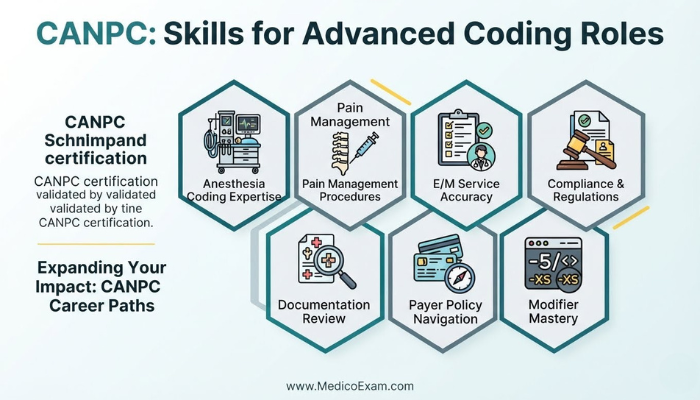
AAPC CANPC certification doesn't just validate skills; it unlocks diverse career opportunities with AAPC CANPC that extend beyond traditional coding roles. Professionals with this credential are highly sought after in various healthcare settings, reflecting the critical need for specialized expertise in anesthesia and pain management. The unique skill set developed through CANPC certification allows coders to pursue impactful and rewarding career paths.
Roles in Hospitals and Surgical Centers
Hospitals and ambulatory surgical centers are primary employers for CANPC-certified individuals. These facilities perform a high volume of anesthesia services and pain management procedures, requiring coders who can accurately capture the nuances of each case. Roles here often involve coding for complex surgeries, ensuring compliance with payer-specific rules, and working closely with billing departments to optimize claims.
Opportunities in Specialty Clinics
Pain management clinics, interventional radiology practices, and other specialty groups that focus on pain relief and diagnostic procedures heavily rely on precise coding. CANPC certification prepares coders to excel in these environments, where they manage highly specific CPT and ICD-10 codes, often dealing with advanced procedures and device implants. This focused expertise is invaluable for the financial health of such specialized practices.
Consulting and Auditing Positions
Beyond direct coding, CANPC-certified professionals can transition into consulting or auditing roles. With their in-depth knowledge of anesthesia medical coding guidelines and rules, they are well-equipped to review coding practices, identify areas of non-compliance or under-coding, and provide expert recommendations. This can involve working with multiple clients, educating other coders, or ensuring internal compliance for large healthcare systems, offering a dynamic and impactful career progression.
Selecting Optimal Study Resources for CANPC
Choosing the right study materials and programs is a pivotal step in your journey toward passing the AAPC CANPC exam. With a wealth of options available, identifying the best AAPC CANPC exam prep course and supplementary resources can significantly impact your study efficiency and ultimate success. A comprehensive approach involves a blend of official materials, practice tools, and possibly structured training.
Official AAPC Resources
The AAPC itself provides an array of resources, including study guides, official textbooks, and online courses tailored to the CANPC exam. These materials are directly aligned with the AAPC CANPC exam syllabus content and offer the most authoritative guidance. Utilizing these official tools ensures you are studying the most current and relevant information, directly from the credentialing body.
Specialized Review Courses
Many reputable education providers offer specialized AAPC CANPC certification review material and courses. These programs often feature experienced instructors who can break down complex topics, provide real-world examples, and offer strategies for tackling the exam's challenging questions. Such courses can be particularly beneficial for coders seeking structured learning and personalized guidance, helping them master CPT codes for anesthesia and pain management services and ICD-10 codes for pain management procedures.
Practice Exam Platforms
High-quality practice exams, such as those found on platforms like MedicoExam, are indispensable. They allow you to test your knowledge, identify weak areas, and become comfortable with the exam's format and time constraints. Focus on practice questions that offer detailed explanations for both correct and incorrect answers, transforming errors into learning opportunities. Remember to avoid any materials that claim to offer "exam dumps" as these are unethical and do not prepare you for genuine understanding or professional practice.
Maintaining CANPC Certification: Sustaining Expertise
Earning the AAPC CANPC certification is a significant achievement, but maintaining its value requires ongoing commitment to professional development. The healthcare landscape, particularly in coding, is dynamic, with frequent updates to anesthesia medical coding guidelines and rules, CPT codes, and ICD-10 classifications. Therefore, continuous learning is not just recommended, but mandated to keep your credential active and your skills sharp.
To uphold the integrity of the CANPC credential, AAPC requires certified professionals to earn Continuing Education Units (CEUs). These units demonstrate that coders are staying current with industry changes, enhancing their knowledge base, and adhering to professional standards. CEUs can be acquired through various approved activities, including attending workshops, webinars, conferences, and completing online courses from approved continuing education providers. Proactively managing your CEUs ensures your expertise remains relevant and valuable in the evolving field of anesthesia and pain management coding.
The renewal process for the CANPC certification typically involves submitting proof of CEU completion and paying a renewal fee. Failing to meet these requirements can lead to the inactivation of your credential, potentially impacting your career opportunities and professional standing. By prioritizing continuous education, CANPC-certified professionals not only maintain their certification but also reinforce their role as highly competent and informed experts in medical coding.
Conclusion
The AAPC CANPC certification represents a pinnacle of expertise in anesthesia and pain management medical coding, offering a definitive path to mastering this complex and critical specialty. From understanding intricate coding guidelines to navigating diverse career opportunities, the CANPC credential empowers professionals to excel in a demanding field. It validates a specialized skill set that is increasingly vital for healthcare organizations seeking precision, compliance, and optimized revenue cycles.
Embarking on the CANPC journey is an investment in your professional future, promising enhanced career prospects, competitive salaries, and respected professional standing. Through diligent preparation, strategic use of study materials, and a commitment to ongoing education, aspiring and current coders can achieve this distinguished credential. For comprehensive study tools and practice resources to support your certification goals, explore the tailored programs available on MedicoExam and take the next decisive step in your certification journey.
FAQs
1. What does the AAPC CANPC certification validate?
The AAPC CANPC certification validates a medical coder's specialized expertise in applying CPT, ICD-10-CM, and HCPCS Level II codes for anesthesia services, chronic pain management, and related procedures, ensuring accuracy and compliance.
2. Who should pursue the AAPC CANPC credential?
The CANPC credential is ideal for medical coders, billers, and healthcare professionals who wish to specialize in anesthesia and pain management coding, or those already working in these areas seeking to formalize and advance their expertise.
3. How long does the AAPC CANPC exam take and what is the passing score?
The AAPC CANPC exam has a duration of 240 minutes (4 hours) and consists of 100 multiple-choice questions. Candidates must achieve a minimum score of 70% to pass the examination.
4. What types of topics are covered in the CANPC exam syllabus?
The syllabus covers core knowledge areas in medical coding, specific guidelines for Evaluation and Management (E/M) services related to anesthesia and pain management, principles of coding accuracy and risk reduction, and a comprehensive clinical and technical understanding of anesthesia and pain procedures.
5. Are there continuing education requirements to maintain the CANPC certification?
Yes, to maintain the AAPC CANPC certification, professionals are required to earn Continuing Education Units (CEUs) regularly. This ensures that certified coders stay current with evolving coding guidelines, regulations, and industry best practices.
- AAPC CANPC Question Bank |
- AAPC CANPC Eligibility & Requirements |
- AAPC Anesthesia and Pain Management Coder Practice Test |
- AAPC CANPC Exam Cost |
- AAPC CANPC Registration Process |
- AAPC Anesthesia and Pain Management Coder Study Guide |
- AAPC CANPC Recertification |
- AAPC CANPC Certification Overview |
- AAPC Anesthesia and Pain Management Coder Syllabus |
- AAPC CANPC Preparation Time |
- AAPC CANPC Passing Score |
- AAPC CANPC Exam Format |
- AAPC Anesthesia and Pain Management Coder Sample Questions |
- AAPC CANPC Career Opportunities |
- AAPC CANPC Exam Difficulty


