
Is BCEN CTRN Your Next Strategic Career Move?
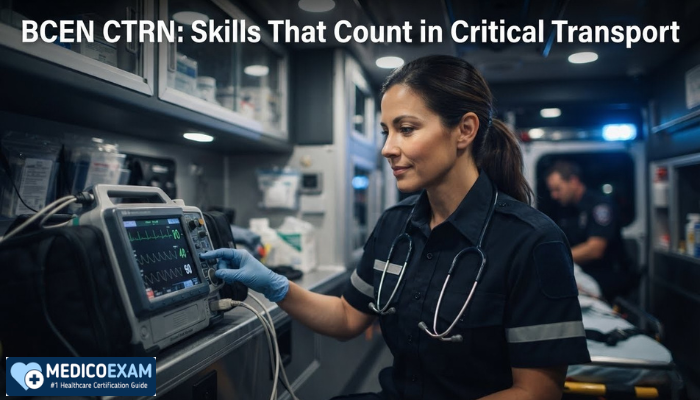
The BCEN Certified Transport Registered Nurse (BCEN CTRN) credential stands as a testament to specialized knowledge and expertise in critical care transport. This certification, offered by the Board of Certification for Emergency Nurses (BCEN), is designed for registered nurses who provide direct patient care during interfacility and intrafacility ground transport. It validates a nurse’s advanced clinical judgment and critical thinking skills across various patient populations and complex medical scenarios encountered outside the traditional hospital setting. This comprehensive guide will explore the profound value of the BCEN CTRN, dissect its exam structure and content, outline crucial preparation strategies, and delve into its significant impact on your nursing career trajectory.
Certifying Excellence in Critical Care Transport Nursing
The BCEN CTRN certification specifically targets registered nurses working in critical care ground transport environments. These dedicated professionals operate in high-stakes situations, often far from immediate advanced medical support, requiring autonomous decision-making and a broad range of clinical competencies. Achieving the BCEN CTRN demonstrates a nurse’s commitment to providing the highest standard of care in these challenging settings, affirming their proficiency in managing critically ill or injured patients during transport. It signifies a benchmark of excellence, assuring employers, colleagues, and patients of a nurse's specialized capabilities. For nurses contemplating a move into transport roles or those already serving, this credential offers a clear pathway to elevate their professional standing and further their professional development. We recommend visiting the official BCEN page for comprehensive details on the certification.
Examining the BCEN CTRN Certification Details
Understanding the specific logistics and financial aspects of the BCEN CTRN exam is crucial for prospective candidates planning their certification journey. The exam evaluates a nurse's ability to apply specialized knowledge in real-world transport scenarios. Being well-informed about the format, duration, scoring, and associated costs allows for effective planning and minimizes surprises, setting a clear path toward credentialing.
Understanding the CTRN Exam Format
The BCEN CTRN examination is a rigorous assessment designed to thoroughly test a candidate's grasp of transport nursing principles. It is administered over a generous period, allowing ample time for careful consideration of each question. The structure includes both scored and unscored items, which is standard practice in many professional certification exams to gather data for future test development.
-
Duration: Candidates are allotted 180 minutes (3 hours) to complete the examination. This timeframe is critical for managing pacing and ensuring all questions are addressed thoughtfully.
-
Number of Questions: The exam comprises 175 items in total. Out of these, 150 questions are scored, directly contributing to the candidate's final result. The remaining 25 questions are unscored pretest items, which are used to evaluate their performance for potential inclusion in future exam versions.
-
Passing Score: To successfully achieve the BCEN CTRN certification, candidates must correctly answer 99 out of the 150 scored items. This equates to a specific percentage, highlighting the need for a strong foundational knowledge across all content areas.
CTRN Exam Cost Breakdown
Investing in the BCEN CTRN certification is a commitment to career advancement, and understanding the financial aspects upfront is key. BCEN offers various pricing tiers, catering to different professional affiliations and circumstances.
-
Initial Exam Fee: The standard cost for the initial BCEN CTRN examination is $380.
-
ASTNA Member Discount: Members of the Air & Surface Transport Nurses Association (ASTNA) receive a reduced initial exam fee of $285, acknowledging their professional affiliation.
-
Military Discount: A significant discount is extended to military personnel, with an initial exam fee of $195, recognizing their service.
-
Initial Exam with BCEN Test Assurance: For added peace of mind, candidates can opt for BCEN Test Assurance, which allows for a retest at no additional cost if they do not pass the first attempt. The standard fee with Test Assurance is $450.
-
ASTNA Member with BCEN Test Assurance: ASTNA members can access Test Assurance for $355.
-
Military with BCEN Test Assurance: Military personnel can add Test Assurance for $265.
-
Retest Fee: Should a candidate need to retake the exam without prior Test Assurance, the retest fee is $200.
These varying fees underscore the importance of checking your eligibility for discounts and considering the Test Assurance option based on your personal preparation strategy.
General Eligibility Requirements
While specific, granular eligibility criteria should always be verified on the official BCEN website, becoming a BCEN CTRN certified nurse generally requires meeting certain professional standards. Candidates are typically expected to hold a current, unrestricted Registered Nurse (RN) license. Furthermore, practical experience in a critical care transport setting is highly recommended, as the exam questions are designed to assess advanced clinical judgment directly applicable to this specialized environment. Prospective candidates should meticulously review all official requirements provided by BCEN to ensure they meet all prerequisites before applying to take the exam.
Mastering the BCEN CTRN Exam Content
The BCEN CTRN exam covers a broad spectrum of knowledge essential for ground transport nursing, ensuring certified individuals possess a comprehensive understanding of critical care management during transport. A detailed review of the syllabus topics provides a roadmap for effective study and helps candidates prioritize their preparation efforts. Each domain assesses specific competencies vital for safe and effective patient care.
Core Principles of Ground Transport Nursing
This foundational section delves into the unique aspects of nursing practice in the transport environment. It covers the legal and ethical considerations, safety protocols, communication strategies, and the physiological effects of transport on patients. Understanding these principles is paramount for establishing a safe transport environment and managing patient care effectively outside a fixed clinical setting.
Critical Resuscitation Techniques
A significant portion of the exam focuses on resuscitation, reflecting the life-saving interventions frequently required during critical care transport. This includes advanced cardiac life support (ACLS) concepts, airway management, ventilation strategies, and the recognition and treatment of various shock states. Proficiency in these areas is non-negotiable for transport nurses.
Patient Management Across Diverse Conditions
Transport nurses must be adept at managing a wide array of patient conditions, from medical emergencies to traumatic injuries. This domain covers the assessment, stabilization, and ongoing management of patients with cardiovascular, respiratory, neurological, gastrointestinal, renal, and endocrine disorders. The emphasis is on recognizing subtle changes and implementing appropriate interventions during transit.
Specialized Patient Populations
The exam also addresses the unique needs of specific patient groups that frequently require critical care transport. This includes pediatric patients, neonates, obstetric patients, and geriatric patients. Each population presents distinct physiological and psychological challenges, demanding specialized assessment techniques and management protocols tailored to their vulnerabilities. This section ensures nurses are prepared to care for all ages and conditions.
Elevating Your Professional Landscape with BCEN CTRN
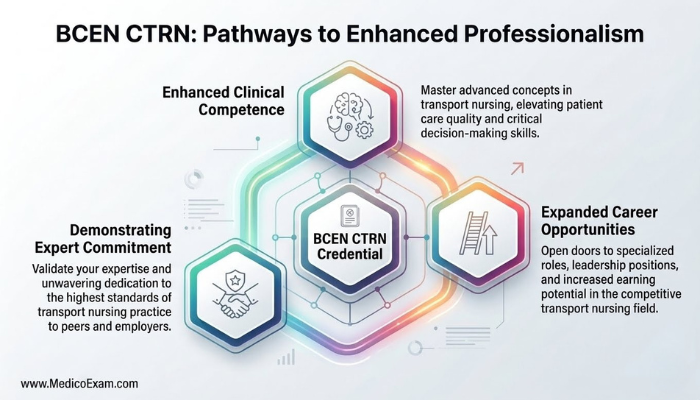
Obtaining the BCEN CTRN certification transcends mere credentialing; it represents a significant investment in your professional growth and an opportunity to redefine your career trajectory. The benefits extend far beyond personal achievement, impacting patient care, team dynamics, and institutional recognition. This specialized certification is a catalyst for nurses seeking to solidify their expertise and unlock new opportunities within critical care transport.
Enhanced Clinical Competence
The rigorous preparation for the BCEN CTRN exam inherently deepens a nurse's clinical knowledge and refines their critical thinking skills. By delving into the detailed syllabus, nurses gain a more profound understanding of complex pathophysiology, advanced assessment techniques, and evidence-based interventions specific to the transport environment. This enhanced competence translates directly into improved patient outcomes, as certified nurses are better equipped to anticipate complications, make rapid, informed decisions, and deliver high-quality, life-sustaining care under pressure.
Expanded Career Opportunities
The BCEN CTRN certification is a powerful differentiator in a competitive healthcare landscape. Employers in ground transport services, air medical services, and specialized critical care units actively seek out nurses with advanced certifications as they signify a higher level of dedication and skill. Holding this credential can open doors to leadership roles, preceptor positions, and opportunities to contribute to policy and protocol development within transport medicine. It not only broadens the scope of available positions but can also influence earning potential, with BCEN CTRN certified nurses typically commanding competitive salaries due to their specialized expertise.
Demonstrating Expert Commitment
Achieving BCEN CTRN status signals to peers, patients, and healthcare organizations an unwavering commitment to professional excellence and lifelong learning. It underscores a nurse's dedication to staying current with best practices and upholding the highest standards of critical care transport nursing. This recognition builds trust and confidence, enhancing a nurse’s credibility within their team and the wider medical community. It also fosters a sense of personal pride and professional satisfaction, knowing that one's skills have been validated by a respected national board.
Crafting Your Strategic BCEN CTRN Exam Preparation Plan
A well-structured and disciplined preparation strategy is indispensable for success on the BCEN CTRN exam. Given the breadth and depth of the content, relying on a haphazard approach is unlikely to yield optimal results. Strategic preparation involves identifying reliable resources, employing effective study techniques, and consistently assessing your progress to pinpoint areas requiring further attention.
Leveraging Official Study Resources
The most authoritative and reliable resources for BCEN CTRN exam preparation are those endorsed or provided by BCEN itself. These often include the official exam content outline, which details the percentage breakdown of questions by topic area. Additionally, reputable textbooks focusing on critical care transport nursing, advanced trauma life support (ATLS) principles, and advanced cardiac life support (ACLS) guidelines form the bedrock of a comprehensive study plan. Reviewing these materials meticulously ensures alignment with the exam's objectives.
Effective Study Methodologies
Diverse study techniques can enhance retention and understanding of complex medical concepts. Active learning strategies, such as creating flashcards for key definitions and medications, teaching concepts to peers, or forming study groups, can be highly beneficial. Case studies and scenario-based questions are particularly effective for transport nursing, as they simulate the critical thinking required in real-world emergencies. Regularly testing yourself with practice questions helps reinforce learning and identifies knowledge gaps. Consistency in your study schedule, even short, focused sessions, is more effective than sporadic cramming.
The Value of Quality Practice Exams
Incorporating practice exams into your study routine is a critical component of successful BCEN CTRN preparation. High-quality practice tests, designed to mimic the format, duration, and cognitive level of the actual exam, provide invaluable experience. They help you become familiar with the question types, manage your time effectively, and reduce test-day anxiety. After completing a practice exam, thorough review of both correct and incorrect answers, along with detailed explanations, is essential for truly understanding the underlying concepts and solidifying your knowledge. To aid in your preparation, you can find specialized CTRN preparation resources online.
Avoiding Unethical Study Materials
While the temptation to find shortcuts might arise, it is imperative to steer clear of "exam dumps" or "braindumps." These materials, often marketed as containing actual exam questions, are not only unethical but also unreliable. Questions are frequently outdated or incorrect, and relying on them can lead to a false sense of preparedness, ultimately jeopardizing your success. Ethical preparation, using officially sanctioned resources and genuine study, ensures you develop a true understanding of the material, which is vital for both passing the exam and excelling in your demanding role as a transport nurse.
Developing a Personalized Study Schedule
Given the demanding nature of a registered nurse's work, creating a realistic and personalized study schedule is paramount. Assess your current knowledge base through a diagnostic test and allocate more time to weaker areas. Break down the vast syllabus into manageable chunks, setting specific, achievable goals for each study session. Factor in regular breaks to prevent burnout and ensure information retention. A well-planned schedule provides structure, maintains motivation, and ensures consistent progress towards your BCEN CTRN certification goal.
Navigating the BCEN CTRN Registration and Recertification Path
Beyond the initial exam, understanding the administrative processes for registration and the ongoing requirements for recertification is key to a continuous professional journey. This foresight ensures that your valuable credential remains current and recognized throughout your career, reflecting a sustained commitment to excellence in critical care transport nursing.
Steps to Register for the CTRN Exam
Registering for the BCEN CTRN exam typically involves a clear, multi-step process. First, candidates must ensure they meet all stipulated eligibility requirements, which usually include holding a valid, unencumbered RN license and potentially a certain number of hours in a critical care transport setting. Once eligibility is confirmed, the application is submitted through the BCEN's official portal. This often involves providing personal details, professional licensure information, and selecting a testing window. Upon approval of the application, candidates receive an Authorization to Test (ATT) and can then schedule their exam appointment at a designated testing center. It is crucial to review all instructions provided by BCEN carefully to avoid any delays in the registration process.
Ensuring Ongoing Credential Validity
The value of the BCEN CTRN credential lies not just in its initial attainment but also in its continuous validity. Recertification is a mandatory process that ensures transport nurses maintain their advanced knowledge and skills in an ever-evolving field. Typically, BCEN requires recertification every four years. This can usually be achieved through a combination of continuing education hours, professional activities, or by retaking the examination. Continuing education must be relevant to the transport nursing domains, demonstrating an ongoing commitment to professional development. Maintaining accurate records of all educational activities and adhering strictly to BCEN's recertification guidelines are essential for keeping your CTRN credential current and recognized.
Final Considerations for Your BCEN CTRN Journey
Embarking on the journey to earn your BCEN CTRN certification is a significant decision, signaling a profound commitment to specialized nursing excellence. This credential is more than just a title; it is a validation of your advanced skills and dedication to critical care transport. It equips you with the confidence and recognized expertise to excel in high-pressure environments, directly impacting patient safety and outcomes during critical transfers. The challenges inherent in preparing for and passing the exam are outweighed by the immense professional and personal rewards.
Making this strategic career move positions you at the forefront of transport nursing, opening doors to advanced roles and leadership opportunities. It enhances your credibility within the healthcare community and reinforces your role as an invaluable asset in emergency and critical care transport teams. The BCEN CTRN is not merely an endpoint but a stepping stone to continuous professional growth and sustained impact in a vital and demanding field.
The BCEN CTRN certification is an investment in your future, empowering you to provide exceptional care and navigate complex transport scenarios with confidence and competence. For those ready to elevate their expertise, access comprehensive study resources and begin your journey towards this distinguished credential.
FAQs
1. What does the BCEN CTRN certification signify for a transport nurse?
The BCEN CTRN certification signifies that a registered nurse possesses specialized knowledge and critical care skills essential for providing direct patient care during ground and air transport. It validates expertise in managing complex patient conditions outside a traditional hospital setting, enhancing professional credibility and patient trust.
2. How long is the BCEN CTRN certification valid, and what is the recertification process?
The BCEN CTRN certification is typically valid for four years. Recertification usually involves either accumulating a specific number of continuing education hours relevant to transport nursing, engaging in professional activities, or retesting. Detailed requirements should be confirmed on the official BCEN website.
3. Are there any prerequisites or specific experience required to sit for the BCEN CTRN exam?
While official requirements should be checked on the BCEN website, candidates for the CTRN exam generally must hold a current, unrestricted Registered Nurse (RN) license. Although not always a strict requirement, significant clinical experience in a critical care transport environment is highly recommended for success due to the exam's practical focus.
4. What types of topics are covered in the BCEN CTRN exam syllabus?
The BCEN CTRN exam syllabus covers broad areas crucial for transport nursing, including general principles of ground transport nursing practice, advanced resuscitation principles, management of various patient conditions (e.g., medical, trauma), and care for special populations such as pediatric, neonatal, obstetric, and geriatric patients.
5. What are the typical benefits of holding a BCEN CTRN certification for a nurse's career?
Holding a BCEN CTRN certification typically leads to enhanced clinical competence, increased professional recognition, and expanded career opportunities within critical care transport. It can open doors to leadership roles, improve earning potential, and demonstrate a strong commitment to specialized nursing excellence.
- BCEN CTRN Question Bank |
- BCEN CTRN Eligibility & Requirements |
- BCEN Transport Registered Nurse Practice Test |
- BCEN CTRN Exam Cost |
- BCEN CTRN Registration Process |
- BCEN Transport Registered Nurse Study Guide |
- BCEN CTRN Recertification |
- BCEN CTRN Certification Overview |
- BCEN Transport Registered Nurse Syllabus |
- BCEN CTRN Preparation Time |
- BCEN CTRN Passing Score |
- BCEN CTRN Exam Format |
- BCEN Transport Registered Nurse Sample Questions |
- BCEN CTRN Career Opportunities |
- BCEN CTRN Exam Difficulty


