
Beyond Certification: What The CPEN Exam Really Offers You
 The BCEN Certified Pediatric Emergency Nurse (CPEN) examination stands as a pivotal milestone for registered nurses dedicated to mastering the complexities of pediatric emergency care. This highly respected credential, awarded by the Board of Certification for Emergency Nurses (BCEN), serves as a robust validation of specialized knowledge, critical skills, and unwavering commitment required to provide exemplary care to children facing urgent medical crises. It transcends a mere certificate, offering a profound affirmation of expertise that enhances clinical practice, bolsters professional credibility, and ultimately elevates patient outcomes. For emergency nurses aspiring to deepen their impact, expand their professional horizons, and solidify their position as leaders in a demanding yet profoundly rewarding field, the CPEN Exam provides a clear pathway. This comprehensive article aims to uncover the true depth of what the CPEN certification really offers you, exploring its foundational elements, effective preparation strategies, and the extensive ripple effect it creates in both individual careers and the broader landscape of pediatric emergency nursing.
Validating Expertise: The BCEN CPEN Exam at a Glance
The BCEN Certified Pediatric Emergency Nurse (CPEN) examination is meticulously designed to assess the specialized knowledge and critical thinking required of registered nurses caring for pediatric patients in emergency settings. This credential validates a nurse's proficiency in managing the unique physiological, developmental, and psychological needs of children across emergent conditions, from minor injuries to life-threatening trauma. Achieving the CPEN signifies high clinical competence and dedication, setting a recognized standard for pediatric emergency nursing practice. It assures both patients and healthcare providers of a nurse's comprehensive understanding and ability to act decisively when every second counts for a child.
Understanding the Exam Structure and Logistics
The CPEN Exam provides a comprehensive and fair evaluation. Candidates should familiarize themselves with these key operational details:
-
Duration: 180 minutes (3 hours) for completion, requiring efficient reading and analysis.
-
Question Count: 175 items total, comprising 150 scored questions and 25 unscored "pretest" items for future development. All must be answered thoughtfully.
-
Passing Standard: To achieve BCEN Certified Pediatric Emergency Nurse (CPEN) certification, candidates must correctly answer 110 of the 150 scored items, roughly 73.3%.
Investment in Your Future: CPEN Exam Pricing
The BCEN CPEN exam cost varies based on membership and package choices:
-
Standard Initial Exam: $380
-
ENA Member Initial Exam: $285
-
Military Discount: $195
-
Initial Exam with BCEN Test Assurance: Provides a retest option.
-
Standard: $450
-
ENA Member: $355
-
Military: $265
-
Retest Fee (without Test Assurance): $200.
These details underscore the thoughtful structure of the CPEN Exam, supporting professional growth. Further information on the exam and its benefits can be found at BCEN Certified Pediatric Emergency Nurse details.
Navigating the Core Content: What the CPEN Exam Syllabus Covers
Success on the CPEN Exam requires a granular understanding of the specific knowledge domains outlined in the BCEN's official syllabus. This blueprint represents the essential areas of pediatric emergency nursing practice. Familiarity with this detailed content outline is crucial for structuring an effective study plan and focusing efforts on high-yield topics. The syllabus ensures certified nurses possess a comprehensive and current skill set to manage diverse pediatric emergencies confidently.
Detailed Examination Domains for the BCEN CPEN
The primary domains assessed on the BCEN Certified Pediatric Emergency Nurse (CPEN) examination cover the breadth and depth of a pediatric emergency nurse’s responsibilities:
-
Triage Process: Emphasizes rapid assessment, care prioritization, and resource allocation using pediatric triage scales.
-
Assessment: Covers comprehensive physical assessment techniques, history taking, and interpreting diagnostic findings unique to pediatric physiology.
-
System-Focused Emergencies: Delves into managing emergencies affecting specific body systems like respiratory, cardiovascular, neurological, GI, GU, musculoskeletal, and dermatological conditions in children.
-
Special Considerations: Addresses unique scenarios including children with special healthcare needs, child abuse, environmental emergencies, toxic exposures, and mental health crises.
-
Multi-System Considerations: Focuses on complex management of patients with conditions affecting multiple body systems, such as trauma, sepsis, and shock.
-
Professional Issues: Explores ethical considerations, legal aspects, patient advocacy, safety initiatives, quality improvement, and communication strategies within the ED.
Each domain ensures readiness for multifaceted challenges. Reviewing these areas diligently is fundamental for both passing the exam and excelling in clinical practice. The official BCEN CPEN exam syllabus outline provides the definitive guide.
Professional Growth: Why CPEN Certification Elevates Your Career
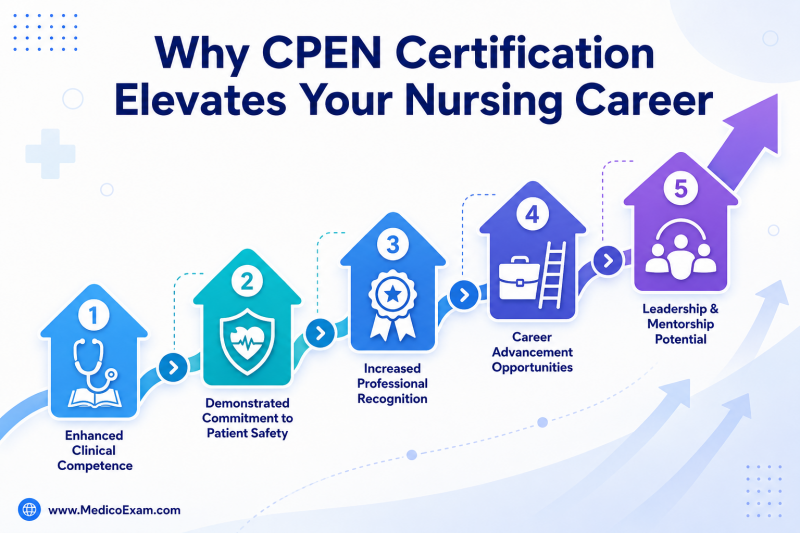
Earning the BCEN Certified Pediatric Emergency Nurse (CPEN) credential enhances a nurse's professional trajectory, demonstrating specialized expertise and unwavering commitment. This certification is a powerful differentiator, signaling nationally recognized excellence in pediatric emergency care. It's an investment in lifelong learning and expanded opportunities. The BCEN CPEN certification for nurses serves as both validation and a springboard for advancement.
Recognizing the Tangible and Intangible Benefits
The benefits of holding a CPEN certification impact a nurse's professional life in measurable and personal ways:
-
Enhanced Clinical Competence and Confidence: Rigorous CPEN preparation deepens understanding of pediatric emergencies, improving assessment and management with greater precision and confidence. This translates to better patient outcomes.
-
Increased Professional Recognition and Credibility: CPEN-certified nurses are highly respected, signifying advanced skill and dedication. This often leads to increased autonomy, leadership opportunities, and a voice in shaping best practices.
-
Significant Career Advancement Opportunities: Many leading healthcare institutions prefer or require CPEN for advanced roles. The credential can open doors to promotions, critical care transport, management positions, and potentially higher earning potential, improving the BCEN Certified Pediatric Emergency Nurse job outlook.
-
Demonstrated Commitment to Patient Safety: CPEN certification shows a commitment to upholding the highest standards, translating into proactive patient safety and continuous quality improvement.
-
Leadership and Mentorship Potential: Certified CPEN nurses often serve as expert resources and mentors, fostering excellence and developing the next generation of skilled clinicians.
Ultimately, the CPEN certification is a profound testament to a nurse's dedication, solidifying their role as an indispensable member of the healthcare team. It confirms movement "beyond certification" to embodying excellence.
Crafting Your Path: Effective CPEN Exam Preparation Strategies
A structured and strategic approach is vital for anyone aiming to conquer the challenging BCEN CPEN Exam. Effective preparation can demystify the process and significantly enhance your chances of success. The key lies in understanding your learning style, utilizing diverse resources, and consistently applying yourself to core content areas. A well-rounded study plan minimizes stress and maximizes retention. This ensures you are truly prepared.
Building a Solid Foundation for CPEN Success
Consider these cornerstone strategies for your BCEN CPEN exam study guide development:
-
Master the Official Exam Content Outline: Review the BCEN CPEN Exam Content Outline. This roadmap details domains and question percentages. Prioritize study time based on weightings and areas of less confidence for efficient use of hours.
-
Leverage Quality Study Materials and Review Courses: Invest in reputable study guides, textbooks, and online review courses. These break down complex topics and offer insights into exam-style questions. A BCEN CPEN certification review course offers structured expert guidance, aligning with latest guidelines.
-
Incorporate Regular Practice Questions: Consistently testing with practice questions is paramount. This reinforces learning, familiarizes you with exam format, and identifies areas needing review. MedicoExam offers BCEN Certified Pediatric Emergency Nurse practice questions to build confidence.
Enhancing Your Study Habits and Mental Readiness
Beyond content mastery, effective study habits and mental preparedness are crucial for successful CPEN exam preparation:
-
Form or Join a Study Group: Collaborate with peers for support and diverse perspectives. Discussing concepts and quizzing solidifies understanding and addresses blind spots.
-
Simulate Exam Conditions Periodically: Take full-length practice tests under timed conditions as the exam nears. This builds stamina, manages anxiety, and refines test-taking strategies for the 180-minute duration.
-
Prioritize Self-Care and Maintain Balance: Ensure adequate sleep, nutrition, and breaks. A well-rested mind performs better. Balance is key for sustained focus and optimal cognitive function.
Consistent effort and a personalized BCEN CPEN exam study guide are more effective than cramming. Embrace learning as a strategic step closer to your BCEN Certified Pediatric Emergency Nurse (CPEN) credential, impacting your professional life and patient care.
Unpacking Exam Day: What to Expect from the CPEN Experience
Stepping into the CPEN Exam requires mental preparedness for the testing center's format and environment. Knowing what to expect significantly reduces anxiety, allowing focus on demonstrating expertise in pediatric emergency nursing. The objective is a standardized, fair assessment, ensuring all BCEN Certified Pediatric Emergency Nurse professionals meet a rigorous benchmark, benefiting patient safety.
Navigating the Testing Environment
Candidates taking the BCEN CPEN exam can anticipate a structured and proctored environment:
-
Computer-Based Testing (CBT): Administered via computer at designated centers. Familiarize yourself with basic navigation; tutorials are typically available.
-
Proctored Environment: Expect strict rules, monitored by proctors. Arrive early for check-in and security screenings.
-
Multiple-Choice Format: All 175 questions are multiple-choice with one best answer. Strong critical reading and analytical skills are essential.
Strategic Approach to Questions and Time
Effective test-taking strategies are crucial on exam day itself:
-
Scored vs. Unscored Items: 150 questions are scored; 25 are unscored pretest items. Answer all thoughtfully, as they are indistinguishable.
-
Time Management is Paramount: 180 minutes for 175 questions means about one minute per question. Practice pacing, moving on from tough questions, and marking for review.
-
Breaks and Comfort: Unscheduled comfort breaks may be permitted, stopping the clock. Confirm specifics with your test administrator.
Approaching exam day with clear understanding of these logistical and strategic elements, alongside robust content preparation, will empower you to perform at your best and confidently pursue your CPEN certification.
Cultivating Longevity: Recertification and Sustaining Your CPEN Value
The true value of the BCEN Certified Pediatric Emergency Nurse (CPEN) credential extends beyond initial exam success; it embodies a profound commitment to ongoing professional development. Recertification ensures CPEN nurses remain at the forefront of pediatric emergency care, continuously integrating new evidence-based practices and guidelines. This process underscores a dedication to lifelong learning, vital for professionals in this dynamic field. The BCEN CPEN recertification requirements foster this continuous growth.
The Imperative of Continuous Professional Development
Maintaining your CPEN certification reinforces your standing as a leader and expert in pediatric emergency nursing:
-
Continuous Professional Education: Recertification requires accumulating CE hours or professional activity points. This encourages staying current with advancements in pediatric emergency medicine, pharmacology, and patient care.
-
Upholding Elevated Standards of Practice: Meeting BCEN's recertification criteria demonstrates ongoing adherence to high standards, translating into consistently excellent patient care and fostering trust.
-
Preserving and Enhancing Career Advantages: Initial certification benefits (marketability, recognition, advancement) are sustained and enhanced through recertification. It signals current and reliable expertise.
-
Active Contribution to the Specialty: Engaged CPENs often serve as mentors, preceptors, and leaders in quality improvement. Recertification supports this involvement, advancing pediatric emergency nursing.
-
Adaptation to Evolving Healthcare Needs: Recertification compels CPENs to adapt to new research, technology, and public health demands, ensuring highly effective care for pediatric populations.
The CPEN credential is a continuous journey of growth and validation, ensuring specialized skills in pediatric emergency care remain sharp, current, and impactful for every child served, reflecting the "beyond certification" ethos.
Broader Impact: The CPEN Nurse's Role in Advancing Pediatric Care
Beyond individual career benefits, the BCEN Certified Pediatric Emergency Nurse (CPEN) credential contributes profoundly to advancing pediatric emergency care. CPEN-certified nurses often act as catalysts for positive change, driving improvements in patient outcomes, advocating for vulnerable populations, and influencing policy. Their specialized knowledge and validated expertise elevate the standard of care for children experiencing emergencies across diverse settings.
CPEN Influence: Elevating Standards and Shaping Future Care
The profound impact of CPEN-certified nurses extends to several crucial areas:
-
Elevating Quality and Patient Safety Standards: CPENs implement and advocate for evidence-based protocols that reduce errors and enhance safety in pediatric emergency environments. Their proactive approach helps identify and mitigate child-specific risks, contributing to the Pediatric emergency nurse certification guide to best practices.
-
Powerful Advocacy for Pediatric Patients: With deep understanding of pediatric needs, CPENs advocate for appropriate pain management, family-centered care, and safeguarding against child abuse, ensuring children's best interests are prioritized.
-
Mentorship and Educational Leadership: Experienced CPENs serve as invaluable mentors and educators for newer nurses, sharing knowledge and fostering excellence in pediatric emergency departments.
-
Driving Leadership in Clinical Practice and Policy: Many CPEN-certified nurses assume leadership roles, contributing to policy development, unit leadership, and emergency preparedness planning specific to pediatrics.
-
Building Community Trust and Confidence: The presence of CPEN-certified nurses assures parents their children receive care from highly qualified specialists, building essential community trust.
The CPEN certification is not just a personal accomplishment but a powerful force for improving children's health in emergency settings, reflecting a profound commitment to community and the future of pediatric emergency medicine.
Is the CPEN Certification Worth the Investment?
For many dedicated emergency nurses, the question of whether the BCEN Certified Pediatric Emergency Nurse (CPEN) certification is truly worth the significant investment of time, effort, and financial resources is critical. Given the demanding nature of emergency nursing and associated costs, understanding the return on investment is essential. For those committed to pediatric emergency care, the answer is a resounding yes, as the value extends beyond monetary aspects.
Calculating the Return on Your CPEN Investment
The value proposition of the CPEN credential is compelling across several key aspects:
-
Tangible Career Advancement and Financial Benefits: CPEN certification translates into measurable career advantages: enhanced marketability, leadership opportunities, and potential salary increases. It positions you as an expert.
-
Invaluable Professional Credibility and Recognition: CPEN sets you apart, elevating your standing among peers, physicians, and families. It builds trust and grants a respected voice in clinical decision-making.
-
Profound Intangible Professional Satisfaction: The sense of accomplishment, increased confidence in critical pediatric emergencies, and satisfaction of providing high-standard care are invaluable intrinsic rewards.
-
Direct Impact on Patient Outcomes and Safety: CPENs bring advanced skills, honed critical thinking, and specialized perspective, significantly improving outcomes during emergent events. This direct contribution makes every effort worthwhile.
-
Long-Term Professional Relevance and Adaptability: In evolving healthcare, CPEN ensures your skills remain current and in demand. It's a strategic step in securing your future and adapting to new advancements.
Considering this blend of professional growth, career opportunities, enhanced confidence, and profound patient impact, the CPEN Exam represents an investment with substantial and enduring returns for any nurse passionate about excellence in pediatric emergency nursing.
Conclusion
The BCEN Certified Pediatric Emergency Nurse (CPEN) examination is more than a test; it's a gateway to advanced practice, enhanced recognition, and a deeper commitment to the unique needs of pediatric patients in emergency settings. This credential underscores a nurse's dedication to mastering specialized skills, leading to improved patient outcomes and substantial personal and professional growth. It signifies true expertise and a lasting contribution to the field.
Embrace the journey to becoming a CPEN-certified nurse and elevate your impact on pediatric emergency care. Start building your expertise today with comprehensive resources. Explore BCEN CPEN practice questions to assess your readiness and solidify your knowledge. Your commitment to excellence begins now, shaping not just your career but the lives of the children you serve.
Frequently Asked Questions
1. What is the BCEN CPEN certification?
The BCEN Certified Pediatric Emergency Nurse (CPEN) certification validates the specialized knowledge and expertise of registered nurses in providing emergency care to pediatric patients. It signifies a high standard of clinical competence in this critical field.
2. Who should consider taking the CPEN exam?
Registered nurses actively working in pediatric emergency settings who wish to validate their specialized skills, enhance their professional credibility, and advance their careers in pediatric emergency nursing should consider the CPEN exam.
3. What topics are covered on the CPEN exam?
The CPEN exam covers key domains such as Triage Process, Assessment, System-Focused Emergencies, Special Considerations, Multi-System Considerations, and Professional Issues, all specific to pediatric emergency care.
4. How long is the CPEN exam and how many questions are there?
The CPEN exam is 180 minutes long and consists of 175 multiple-choice questions. Of these, 150 are scored items, and 25 are unscored pretest items.
5. Is recertification required for the CPEN credential?
Yes, maintaining CPEN certification requires regular recertification, typically through continuing education hours or professional activities, ensuring nurses stay current with evolving practices in pediatric emergency nursing.
- BCEN CPEN Question Bank |
- BCEN CPEN Eligibility & Requirements |
- BCEN Pediatric Emergency Nurse Practice Test |
- BCEN CPEN Exam Cost |
- BCEN CPEN Registration Process |
- BCEN Pediatric Emergency Nurse Study Guide |
- BCEN CPEN Recertification |
- BCEN CPEN Certification Overview |
- BCEN Pediatric Emergency Nurse Syllabus |
- BCEN CPEN Preparation Time |
- BCEN CPEN Passing Score |
- BCEN CPEN Exam Format |
- BCEN Pediatric Emergency Nurse Sample Questions |
- BCEN CPEN Career Opportunities |
- BCEN CPEN Exam Difficulty


