
Beyond Experience: The ACRP Project Manager Distinction
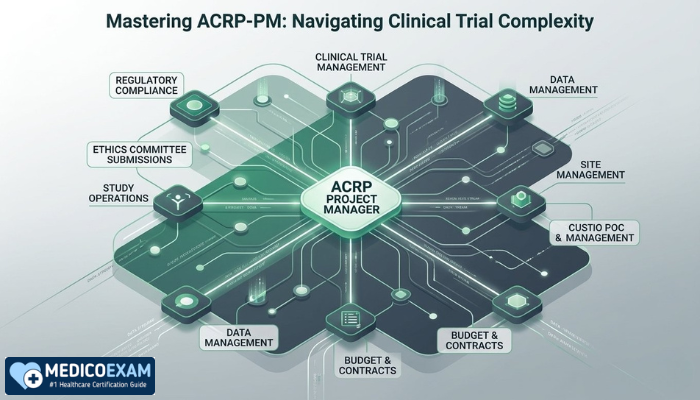
The ACRP Project Manager (ACRP-PM) certification stands as a definitive credential for professionals steering complex clinical trials. This designation, offered by ACRP, validates an individual’s comprehensive understanding and application of project management principles specifically within the clinical research environment. It distinguishes those who not only possess experience but also a formalized, compliant, and efficient approach to managing clinical projects from inception to completion. This article delves into the significance of the ACRP-PM certification, detailing its structure, syllabus, benefits, and how it solidifies a professional’s role in advancing clinical research through robust project leadership.
Validating Clinical Research Expertise
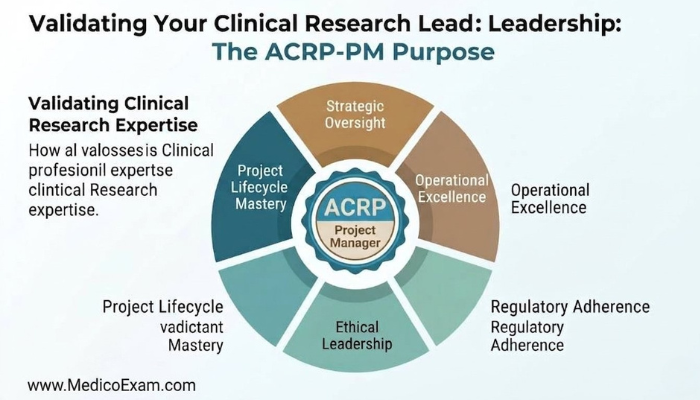
Achieving the ACRP-PM certification signals a professional's mastery of the intricate lifecycle of clinical trials, emphasizing strategic oversight and operational excellence. It is designed for clinical research professionals who lead project teams, manage resources, and ensure studies meet regulatory, ethical, and scientific objectives. This credential offers a profound competitive advantage, affirming a candidate's readiness to tackle the multifaceted challenges inherent in clinical research project management. It covers crucial domains from regulatory affairs to business leadership, ensuring a well-rounded skill set.
Understanding the ACRP-PM Exam Format
The ACRP Project Manager (ACRP-PM) examination serves as a rigorous assessment of a candidate’s capabilities. It is structured to evaluate both theoretical knowledge and practical application across critical aspects of clinical trial project management. The exam is a 90-minute assessment, comprising 60 questions in total, where 50 items are scored and 10 are pretest questions that do not contribute to the final score. Candidates must achieve a scaled score of 600 on a range of 200-800 to pass, demonstrating a high level of proficiency. The exam fee for ACRP members is $250, while nonmembers are charged $300, reflecting the value and investment in this specialized credential.
Mastering Essential Clinical Research Domains
The ACRP-PM certification syllabus is meticulously crafted to cover the breadth of knowledge required for effective project management in clinical research. Each domain addresses distinct yet interconnected aspects, ensuring certified individuals are equipped to navigate the complexities of their roles. Understanding these areas is foundational for both exam success and real-world application, providing a structured framework for project oversight. For more in-depth preparation resources, explore comprehensive study materials.
ETHICAL AND PARTICIPANT SAFETY CONSIDERATIONS - 10%
This domain emphasizes the paramount importance of safeguarding trial participants and upholding ethical standards throughout a clinical study. It covers principles like informed consent, privacy, confidentiality, and the role of Institutional Review Boards (IRBs) or Independent Ethics Committees (IECs). Project managers must ensure that all trial activities comply with ethical guidelines and that participant well-being remains the highest priority, overseeing protocols designed to minimize risks and maximize benefits.
REGULATORY AFFAIRS - 10%
Navigating the complex landscape of global and local regulations is a core responsibility for a clinical research project manager. This section focuses on understanding key regulatory bodies, guidelines such as ICH-GCP (International Conference on Harmonisation - Good Clinical Practice), and country-specific requirements. It covers the submission processes, reporting requirements, and the implications of non-compliance, ensuring studies are conducted legally and ethically.
CLINICAL TRIAL OPERATIONS - 25%
This is a substantial component, reflecting the operational demands of managing clinical trials. It encompasses the practical execution of a study, including site selection and initiation, monitoring activities, data collection and management, and close-out procedures. Project managers learn to optimize operational workflows, manage vendor relationships, and implement robust quality control measures to ensure trial integrity and efficiency. This domain is critical for translating protocol into successful study execution. For further insights into industry best practices and guidelines, refer to official ACRP insights.
STUDY MANAGEMENT - 30%
As the largest domain, Study Management delves into the core competencies of project leadership within clinical research. It covers project planning, scope definition, resource allocation, budgeting, and risk management specific to clinical trials. Project managers are expected to develop comprehensive project plans, track progress against timelines, manage budgets effectively, and proactively identify and mitigate potential risks that could impact study outcomes. This section also addresses effective team leadership and communication strategies.
SCIENTIFIC CONCEPTS AND RESEARCH DESIGN - 10%
A strong grasp of scientific principles and research methodology underpins successful clinical trial management. This domain covers foundational concepts such as study design types (e.g., randomized controlled trials, observational studies), statistical considerations, and understanding primary and secondary endpoints. Project managers must comprehend the scientific rationale behind a study to effectively communicate with stakeholders and anticipate potential challenges related to the scientific integrity of the research.
BUSINESS MANAGEMENT, LEADERSHIP, AND PROFESSIONALISM - 15%
Beyond scientific and operational knowledge, effective project managers possess strong business acumen and leadership qualities. This section covers topics like strategic planning, financial management, contract negotiation, and developing high-performing teams. It also emphasizes professionalism, ethical conduct in leadership, conflict resolution, and continuous professional development. This holistic view prepares project managers for the broader organizational and interpersonal aspects of their role.
Driving Career Advancement with ACRP-PM
The ACRP Project Manager certification offers tangible benefits that extend beyond mere credentialing, significantly impacting a professional’s career trajectory and influence within the clinical research industry. It acts as a clear differentiator in a competitive job market, signaling a commitment to excellence and a validated skill set crucial for leadership roles.
Enhanced Credibility and Recognition
Certified individuals gain immediate recognition as experts in clinical research project management. The ACRP-PM designation is globally respected, affirming that a professional adheres to the highest standards of competence and ethical conduct. This credibility is invaluable when engaging with sponsors, regulatory bodies, and internal teams, fostering trust and confidence in one’s leadership abilities. It demonstrates a proactive approach to professional development and a deep understanding of industry best practices.
Expanded Career Opportunities
Holding the ACRP-PM certification can unlock senior project management positions and leadership roles within pharmaceutical companies, Contract Research Organizations (CROs), biotech firms, and academic institutions. It demonstrates the specialized knowledge required to oversee complex trials, manage diverse teams, and navigate intricate regulatory environments. This often translates into opportunities for greater responsibility and influence over strategic initiatives.
Increased Earning Potential
Industry data consistently indicates that certified professionals typically command higher salaries than their non-certified counterparts. The specialized skills validated by the ACRP-PM certification are in high demand, allowing certified project managers to negotiate more competitive compensation packages. This financial benefit is a direct reflection of the added value and reduced risk that a certified professional brings to an organization.
Improved Project Outcomes
Professionals certified through ACRP-PM are equipped with proven methodologies and best practices that lead to more efficient and successful clinical trials. Their expertise in risk management, resource allocation, and regulatory compliance helps mitigate common pitfalls, reduce costly delays, and ensure studies meet their objectives on time and within budget. This contributes directly to organizational success and the accelerated development of new therapies.
Cultivating an Effective ACRP Project Manager Study Plan
Preparing for the ACRP Project Manager exam requires a structured and diligent approach. A well-crafted study plan is essential for covering the extensive syllabus and building confidence for exam day. Effective preparation blends various resources and techniques to ensure comprehensive understanding and retention.
Reviewing the Official Syllabus Outline
Begin by thoroughly understanding the official ACRP-PM exam syllabus and its weighting. This outlines the specific knowledge areas and their proportional representation on the exam, allowing candidates to prioritize their study efforts. Allocate more time to domains with higher percentages to maximize your scoring potential.
Leveraging Quality Study Materials
Seek out reputable study guides and textbooks that align with the ACRP-PM curriculum. These resources should offer detailed explanations of scientific concepts, regulatory guidelines, and project management principles within the clinical research context. Combining different sources can provide a more holistic view and reinforce learning.
Engaging in Training Courses
Consider enrolling in an ACRP Project Manager training course. These courses, often led by experienced instructors, provide structured learning, practical insights, and opportunities for interactive discussions. They can help clarify complex topics and offer strategies for applying theoretical knowledge to real-world scenarios, making the preparation process more efficient.
Practicing with Sample Questions
Regularly tackling ACRP Project Manager practice questions is critical for familiarizing yourself with the exam format and question types. Practice tests help identify areas of weakness, improve time management, and build confidence. Many platforms, including MedicoExam, offer valuable resources for practice and assessment. This step is indispensable for gauging readiness and fine-tuning your approach. For a dedicated set of questions to test your knowledge, check out these ACRP-PM certification sample questions.
Forming Study Groups
Collaborating with peers in a study group can provide alternative perspectives, facilitate discussions, and help in understanding challenging concepts. Explaining topics to others or debating different approaches can deepen your own comprehension and retention of the material. Group study fosters a supportive environment and can alleviate some of the pressure of individual preparation.
Defining the Ideal ACRP-PM Candidate
The ACRP Project Manager certification is specifically tailored for experienced clinical research professionals aspiring to or currently holding project leadership roles. Candidates typically possess a strong foundation in clinical operations and are looking to formalize their project management expertise within the unique context of clinical trials.
Experienced Clinical Research Professionals
Individuals with several years of experience in various capacities within clinical research, such as Clinical Research Associates (CRAs), Study Coordinators, or Data Managers, are prime candidates. This experience provides the practical context necessary to fully grasp the advanced project management concepts covered in the ACRP-PM syllabus. The certification builds upon this foundation, elevating practical know-how with strategic oversight.
Aspiring Project Leaders
Professionals seeking to transition into dedicated project manager roles or to enhance their leadership capabilities will find the ACRP-PM invaluable. It provides the structured knowledge and validated skills required to effectively lead clinical trials, manage resources, and navigate complex stakeholder relationships. It acts as a bridge from operational execution to strategic management.
Commitment to Professional Excellence
The ideal candidate is committed to continuous professional development and adherence to the highest ethical and regulatory standards. The ACRP-PM designation is for those who recognize the importance of formal credentialing in demonstrating their commitment to quality and competence in a highly regulated industry. It underscores a dedication to driving innovation safely and effectively.
Ensuring Continuous Professional Development
Maintaining an active ACRP Project Manager certification often involves ongoing learning and professional development, ensuring that certified individuals remain current with evolving industry standards, regulations, and best practices. While specific renewal requirements vary, the spirit of continuous education is paramount for any clinical research professional.
Staying Updated on Regulatory Changes
The landscape of clinical research regulations is constantly evolving. Certified project managers must actively monitor updates from regulatory authorities like the FDA, EMA, and ICH to ensure their projects remain compliant. Accessing resources from organizations like ACRP (ACRPnet.org) and reviewing guidelines from their insights section (Regulatory Guidelines) is crucial for this.
Engaging with Industry Resources
Participating in webinars, conferences, and workshops dedicated to clinical research and project management is vital. These platforms offer opportunities to learn about new technologies, methodologies, and challenges facing the industry. Engaging with these resources ensures skills remain sharp and knowledge is current, contributing to effective project leadership. For comprehensive resources, explore the ACRP Resource Centers.
Networking with Peers
Building a strong professional network allows for the exchange of knowledge, experiences, and best practices. Discussing real-world challenges and solutions with other certified professionals can provide invaluable insights and foster a community of continuous learning. Such interactions are crucial for navigating complex project scenarios and advancing collective expertise.
Conclusion: The ACRP-PM as a Benchmark of Excellence
The ACRP Project Manager certification is far more than an added credential; it is a benchmark of excellence in the rigorous field of clinical research. It validates the multifaceted skills required to navigate the scientific, ethical, regulatory, and business challenges inherent in managing complex clinical trials. For professionals dedicated to advancing medical science safely and efficiently, this distinction is invaluable.
By achieving the ACRP-PM, individuals demonstrate a profound commitment to their profession, signaling to employers, peers, and stakeholders alike that they possess the certified expertise to lead with confidence and integrity. This credential not only enhances individual career prospects but also strengthens the collective capability of the clinical research community to deliver impactful results. Elevate your professional standing and contribute to critical medical advancements by considering the ACRP-PM. For comprehensive study resources and to learn more about preparing for this pivotal exam, visit the dedicated ACRP-PM certification page and frequently asked questions on MedicoExam.
FAQs
1. What does the ACRP Project Manager (ACRP-PM) certification validate?
The ACRP Project Manager (ACRP-PM) certification validates a professional's expertise in applying project management principles specifically to clinical research, covering ethical, regulatory, operational, and business aspects of managing clinical trials.
2. What are the prerequisites for taking the ACRP-PM exam?
While the article does not specify exact prerequisites, ACRP certifications typically require a combination of relevant education and verifiable professional experience in clinical research to ensure candidates have foundational knowledge.
3. How long is the ACRP-PM exam and how many questions does it contain?
The ACRP-PM exam has a duration of 90 minutes and consists of 60 questions in total, of which 50 are scored items and 10 are pretest items that do not affect the final score.
4. What is a passing score for the ACRP Project Manager certification exam?
Candidates must achieve a scaled score of 600 on a range of 200-800 to successfully pass the ACRP Project Manager certification exam.
5. What are the key benefits of earning the ACRP-PM certification?
Key benefits include enhanced professional credibility, expanded career opportunities in clinical research leadership, increased earning potential, and a validated ability to lead and manage clinical trials more effectively, contributing to improved project outcomes.
- ACRP-PM Question Bank |
- ACRP-PM Eligibility & Requirements |
- ACRP Project Manager Practice Test |
- ACRP-PM Exam Cost |
- ACRP-PM Registration Process |
- ACRP Project Manager Study Guide |
- ACRP-PM Recertification |
- ACRP-PM Certification Overview |
- ACRP Project Manager Syllabus |
- ACRP-PM Preparation Time |
- ACRP-PM Passing Score |
- ACRP-PM Exam Format |
- ACRP Project Manager Sample Questions |
- ACRP-PM Career Opportunities |
- ACRP-PM Exam Difficulty


