
C-NPT Practice Test: Elevating Your Neonatal Transport Career
 The NCC Certification in Neonatal Pediatric Transport (C-NPT) represents a pinnacle achievement for healthcare professionals dedicated to critically ill infants and children. This specialized credential, offered by the National Certification Corporation (NCC), validates an elite level of expertise required to manage complex transport scenarios effectively. Achieving C-NPT certification signifies a commitment to advanced practice and patient safety, marking a vital step in career progression for nurses, paramedics, and respiratory therapists involved in neonatal and pediatric critical care transport. This comprehensive article delves into the C-NPT exam, providing essential insights into its structure, syllabus, benefits, and the pivotal role a C-NPT practice test plays in ensuring candidate readiness. It aims to empower aspiring candidates with a clear pathway to success, focusing on strategic preparation and sustained professional growth.
Understanding the C-NPT Certification
The C-NPT credential confirms a practitioner'sspecialized knowledge and clinical judgment in the dynamic field of neonatal and pediatric critical care transport. This certification is designed for experienced clinicians who provide direct patient care during inter-facility and intra-facility transport of neonates and pediatrics. It showcases a practitioner's ability to stabilize, monitor, and treat these fragile patients in challenging environments, distinguishing them as leaders in this demanding specialty. Professionals holding this certification are integral to providing the highest standard of care when time-sensitive interventions are critical.
Targeting Eligible Candidates
Eligibility for the C-NPT exam is stringent, ensuring that only qualified individuals with significant experience and educational backgrounds can attempt the certification. Typically, candidates include registered nurses, respiratory therapists, and paramedics who possess current licensure or registration and have accumulated substantial experience in neonatal or pediatric intensive care and/or transport. The specific criteria can vary, making it essential to consult the official NCC C-NPT page for the most accurate and up-to-date requirements, as these guidelines are critical for successful application.
Examining the C-NPT Assessment Structure
The C-NPT examination is meticulously designed to assess a broad range of competencies crucial for neonatal and pediatric transport professionals. Understanding its structure is foundational for effective preparation. The exam is administered to ensure candidates possess both theoretical knowledge and practical understanding necessary for patient safety and optimal outcomes during transport.
The National Certification Corporation C-NPT exam details are as follows:
-
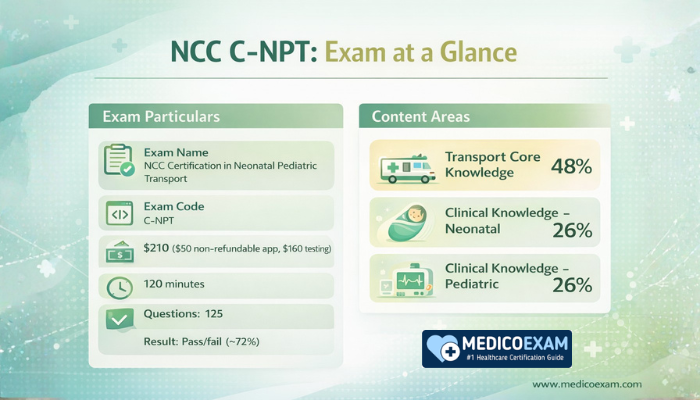
Exam Name: NCC Certification in Neonatal Pediatric Transport
-
Exam Code: C-NPT
-
Exam Price: $210, comprising a $50 non-refundable application submission cost and a $160 testing fee.
-
Duration: Candidates are allotted 120 minutes to complete the examination.
-
Number of Questions: The exam consists of 125 questions.
-
Passing Score: This is a pass/fail examination, with a typical passing score set around 72%.
This structure demands not only comprehensive knowledge but also effective time management to address all questions within the given duration.
Mastering Essential Syllabus Domains
 The C-NPT exam syllabus is divided into key domains, each carrying a specific weight, reflecting the breadth of knowledge required for safe and effective neonatal and pediatric transport. A strategic approach to studying involves understanding these domains and allocating preparation time accordingly. Success hinges on a balanced mastery of core transport principles and specialized clinical knowledge for both patient populations.
The core content areas for the C-NPT exam include:
-
Transport Core Knowledge - 48%: This extensive section covers fundamental principles applicable to all transports, including transport physiology, equipment, safety, communication, and team dynamics. It emphasizes the foundational understanding necessary to manage any transport scenario effectively.
-
Clinical Knowledge in Neonatal Transport - 26%: This domain focuses specifically on the unique physiological and pathological considerations of neonates during transport. Topics often include respiratory support, cardiovascular management, thermoregulation, and common neonatal emergencies.
-
Clinical Knowledge in Pediatric Transport - 26%: Dedicated to the pediatric population, this section assesses knowledge of pediatric-specific conditions, critical care interventions, pharmacology, and age-appropriate care considerations during transport.
These domains ensure that certified professionals are well-rounded in their expertise, capable of addressing the diverse needs of both neonatal and pediatric patients.
Leveraging a C-NPT Practice Test for Readiness
Engaging with a robust C-NPT practice test is arguably the single most effective preparation strategy for this challenging certification. These simulated exams mirror the format, question types, and time constraints of the actual NCC C-NPT exam, providing an invaluable opportunity to assess current knowledge and identify areas requiring further study. A high-quality practice test offers more than just questions; it provides a realistic testing experience that builds confidence and familiarizes candidates with the examination environment.
Practice tests are crucial for several reasons:
-
Realistic Simulation: They replicate the actual exam environment, helping candidates manage time and reduce test-day anxiety.
-
Knowledge Gap Identification: By highlighting weak areas, practice tests direct study efforts more efficiently, ensuring focused learning.
-
Question Familiarity: Exposure to varied question styles and formats helps candidates understand how concepts are tested.
-
Confidence Building: Successfully navigating practice scenarios significantly boosts self-assurance for the actual examination.
Utilizing these tools systematically can transform preparation from daunting to strategic, significantly increasing the likelihood of a positive outcome.
Crafting an Effective C-NPT Study Guide and Strategy
Developing a personalized C-NPT study guide and adhering to a structured preparation strategy are fundamental steps toward success. While practice tests provide assessment, a comprehensive study plan ensures that all syllabus domains are thoroughly covered. This involves more than just reading; it requires active learning, critical thinking, and consistent review. Building a study strategy that aligns with individual learning styles and professional commitments is key.
A well-structured study guide should incorporate various learning methods:
-
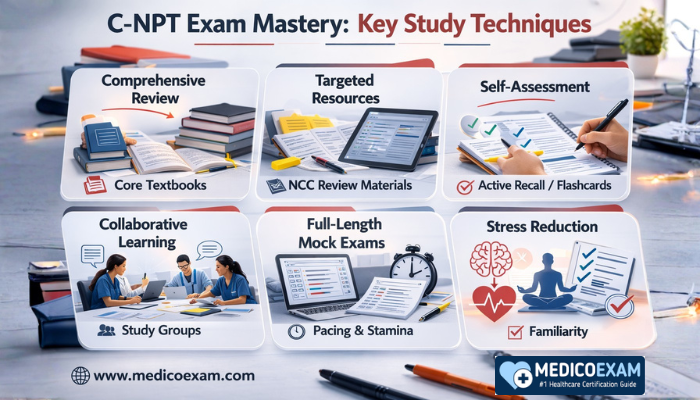
Review Core Textbooks: Revisit foundational texts in neonatal and pediatric critical care and transport.
-
Utilize NCC C-NPT Review Materials: Leverage resources specifically designed for the exam, which often align closely with the NCC’s content outline.
-
Engage in Active Recall: Test yourself frequently without looking at notes, such as flashcards or self-quizzing.
-
Join Study Groups: Collaborate with peers to discuss complex topics, share insights, and challenge understanding.
Consider incorporating diverse resources, such as educational videos, which can offer alternative explanations and visual learning opportunities. For instance, a quick search on critical care transport can yield useful content, such as videos on critical care transport principles, to supplement traditional study methods.
Optimizing Preparation with C-NPT Mock Exams
 Beyond initial practice tests, integrating C-NPT mock exams into your study routine closer to the actual test date offers an unparalleled advantage. Mock exams simulate the full 120-minute duration and 125-question format, pushing candidates to maintain focus and stamina. This is particularly beneficial for evaluating overall readiness, honing pacing strategies, and identifying any lingering areas of weakness under exam conditions.
Regularly undertaking mock exams helps candidates to:
-
Enhance Pacing: Learn to allocate time effectively across all questions, preventing rushed decisions on critical items.
-
Build Stamina: Develop the mental endurance required to concentrate for the entire exam duration.
-
Reduce Anxiety: Familiarity with the pressure of a full-length test lessens stress on exam day.
-
Consolidate Knowledge: The act of retrieval during a mock exam strengthens memory retention and conceptual understanding.
This iterative process of testing and reviewing ensures a robust understanding of the C-NPT exam syllabus and maximizes preparation efficiency.
Navigating the Path to C-NPT Certification Success
Achieving the C-NPT certification requires dedication, strategic preparation, and a deep understanding of neonatal and pediatric transport principles. The journey is not just about passing an exam; it's about solidifying your expertise and commitment to a critical subspecialty. By meticulously preparing for the NCC C-NPT exam, candidates not only boost their chances of success but also significantly enhance their capability to deliver exceptional patient care in high-stakes situations. This credential is a testament to unwavering professionalism and the pursuit of excellence in a demanding field.
Beyond the Exam: Sustaining Certification
Gaining the C-NPT credential is a significant milestone, but maintaining it requires ongoing commitment. Neonatal pediatric transport certification renewal typically involves accumulating continuing education credits relevant to the specialty over a specified period. This ensures that certified professionals remain current with the latest advancements, best practices, and evolving standards of care. Staying engaged with professional development activities is not only a requirement for renewal but also an opportunity for continuous learning and skill refinement, reinforcing the long-term value of the C-NPT designation.
Realizing Career Progression and Impact
Earning the C-NPT certification profoundly impacts a professional’s career trajectory, opening doors to advanced roles and leadership opportunities within critical care transport teams. It signifies an elite level of competence, often leading to increased responsibilities, higher earning potential, and greater recognition among peers and employers. Beyond personal career benefits, C-NPT certified individuals directly contribute to elevating the standard of neonatal and pediatric patient transport, ensuring the safest and most effective care for the most vulnerable patients. This certification not only validates expertise but also inspires trust and confidence in every transport scenario.
Frequently Asked Questions
1. What are the primary benefits of achieving C-NPT certification?
-
Achieving C-NPT certification demonstrates advanced expertise in neonatal and pediatric transport, enhancing professional credibility, opening doors to career advancement, and improving patient outcomes in critical care settings. It validates a specialized skill set essential for this demanding field.
2. How long is the C-NPT certification valid before renewal is required?
-
Typically, C-NPT certification is valid for a period of three years. Renewal generally involves meeting specific continuing education requirements and possibly retaking an abbreviated exam, depending on NCC's current policies.
3. Are there specific C-NPT eligibility criteria related to clinical experience?
-
Yes, candidates for the C-NPT exam must meet strict clinical experience requirements, often including a minimum number of years in neonatal or pediatric critical care, or transport. Specific details should always be verified on the official NCC website.
4. What is the approximate passing score for the C-NPT exam?
-
The C-NPT exam is pass/fail, with a typical passing score around 72%. However, the exact percentage can vary slightly and is determined by psychometric analysis to ensure a fair assessment of competence.
5. Can a C-NPT practice test accurately predict my success on the actual exam?
-
While a C-NPT practice test is an invaluable preparation tool for identifying knowledge gaps and familiarizing candidates with the exam format, it cannot guarantee success. Consistent study, comprehensive review, and mastery of the syllabus are still essential for passing the actual certification exam.
Conclusion
The journey to C-NPT certification is a transformative experience that solidifies your role as an expert in neonatal and pediatric critical care transport. Through diligent study, comprehensive understanding of the C-NPT exam syllabus, and strategic use of resources, success is within reach. Embrace the challenge, dedicate yourself to thorough preparation, and elevate your career to new heights.
To further solidify your preparation and gain practical experience with C-NPT exam questions, explore comprehensive study materials. Practice extensively with tools designed to simulate the actual test, enhancing your readiness and confidence. Visit sample questions for the C-NPT certification to take the next step in your study plan.
- NCC Neonatal Pediatric Transport Practice Test |
- NCC C-NPT Study Guide |
- NCC C-NPT Question Bank |
- NCC C-NPT Eligibility & Requirements |
- NCC C-NPT Exam Cost |
- NCC C-NPT Registration Process |
- NCC Neonatal Pediatric Transport Study Guide |
- NCC C-NPT Recertification |
- NCC C-NPT Certification Overview |
- NCC Neonatal Pediatric Transport Syllabus |
- NCC C-NPT Preparation Time |
- NCC C-NPT Passing Score |
- NCC C-NPT Exam Format |
- NCC Neonatal Pediatric Transport Sample Questions |
- NCC C-NPT Career Opportunities |
- NCC C-NPT Exam Difficulty


