
CCHP Certification: It's Not What You Think (It's More)
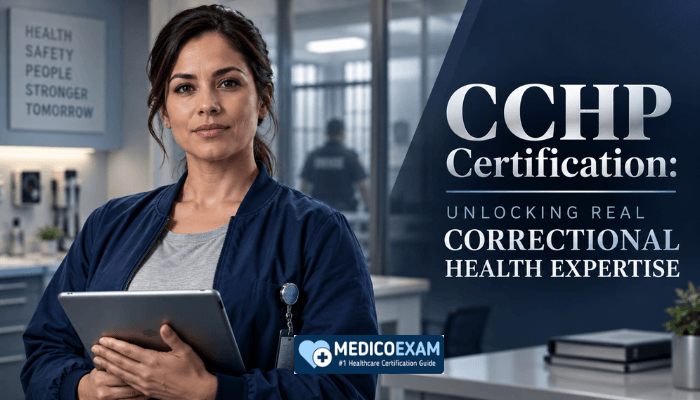
The NCCHC Certified Correctional Health Professional (CCHP) certification uses the exam code CCHP. It is more than just a credential. It validates the expertise of healthcare professionals working in correctional facilities. The certification is offered by the NCCHC. It demonstrates an understanding of the legal, ethical, and clinical challenges in the justice system. It helps distinguish professionals who have specialized knowledge of correctional healthcare. This article explores common misconceptions about the CCHP certification. It explains the true value of the credential. It also covers the exam details and preparation process. The goal is to help aspiring professionals prepare for and achieve this important certification.
Unveiling the NCCHC CCHP Exam Structure
The NCCHC Certified Correctional Health Professional (CCHP) exam provides a standardized measure of a healthcare professional’s knowledge in correctional health. Understanding its framework is the first step towards successful certification. The examination evaluates a candidate's proficiency across various critical aspects of correctional healthcare.
The core details of the CCHP exam are as follows:
-
Exam Name: NCCHC Certified Correctional Health Professional
-
Exam Code: CCHP
-
Duration: 120 minutes, providing ample time to consider each question carefully.
-
Number of Questions: The exam typically comprises 80-100 questions.
-
Passing Score: Candidates must achieve a minimum score of 65% to pass the examination.
-
Exam Price: $230 (USD)
This structure thoroughly assesses candidates' knowledge. It tests both broad understanding and specific skills. It reflects the complex nature of correctional health practice.
Exploring the Comprehensive CCHP Syllabus Domains
The CCHP examination covers a wide array of topics, reflecting the complex and specialized nature of correctional healthcare. Each domain is weighted to emphasize areas of greatest importance and frequent application in the field. A detailed grasp of these domains is fundamental for effective preparation and practice.
The syllabus is strategically organized into key areas, each contributing to the overall score:
-
GOVERNANCE AND ADMINISTRATION (20%-25%): This domain addresses the organizational structure, policies, and management of correctional health services. It encompasses leadership roles, policy development, quality improvement, and ensuring compliance with standards set by bodies like the NCCHC. Understanding the administrative backbone is crucial for effective service delivery and ethical practice.
-
HEALTH PROMOTION, SAFETY, AND DISEASE PREVENTION (10%-15%): Focusing on proactive health strategies, this section covers infectious disease control, preventative screenings, health education for incarcerated individuals, and maintaining a safe environment for both patients and staff. Its importance cannot be overstated in a congregate living setting.
-
PERSONNEL AND TRAINING (5%-10%): This smaller yet vital section examines the requirements for staffing correctional health facilities, including credentialing, ongoing training, and performance evaluations. Competent personnel are the cornerstone of quality care.
-
ANCILLARY HEALTH CARE SERVICES (8%-14%): This domain delves into supporting services such as pharmacy management, laboratory operations, radiological services, and dental care. It assesses knowledge of how these services integrate within the broader health system to support patient needs.
-
PATIENT CARE AND TREATMENT (15%-20%): A significant portion of the exam, this domain covers direct patient care, including assessment, diagnosis, treatment planning, and continuity of care. It encompasses both acute and chronic care management within the unique confines of a correctional facility.
-
SPECIALIZED PATIENT SERVICES (12%-18%): This section focuses on particular populations or conditions, such as mental health services, substance abuse treatment, care for pregnant individuals, and geriatric care. It highlights the need for tailored approaches to diverse patient needs in a correctional environment.
-
MEDICAL-LEGAL ISSUES (8%-14%): Critical to correctional healthcare, this domain addresses constitutional rights related to healthcare, legal liability, documentation standards, and ethical considerations. Professionals must navigate a complex web of legal precedents and ethical mandates daily.
A thorough understanding of each area is essential. Candidates should focus on each area based on its exam weight. This knowledge demonstrates overall proficiency. It also helps ensure high-quality patient care within the correctional system.
Elevating Your Role: Benefits of CCHP Certification
Pursuing the CCHP certification extends beyond mere professional validation; it signifies a deep commitment to excellence in a highly specialized and often misunderstood field. This credential from NCCHC brings a multitude of advantages, enhancing both individual career trajectories and the quality of correctional healthcare. The certification differentiates professionals by acknowledging their specialized expertise.
The profound benefits of holding a CCHP credential include:
-
Enhanced Professional Credibility: The CCHP designation signals a high level of expertise in correctional health. It helps employers, peers, and legal professionals recognize this expertise. It also shows a commitment to national standards of care. This is especially valuable in a field that often faces close scrutiny.
-
Improved Patient Outcomes: Certified professionals are equipped with a standardized body of knowledge that directly translates into better patient care. This includes a strong understanding of disease prevention and mental health support. It also covers patients' legal rights. This knowledge helps professionals provide more effective and ethical treatment.
-
Career Advancement and Opportunities: Holding the CCHP certification can open doors to leadership roles, supervisory positions, and specialized assignments within correctional health systems. It acts as a clear indicator of advanced skill and dedication, often correlating with increased job prospects and responsibilities.
-
Increased Earning Potential: While varying by location and experience, CCHP certification can positively influence salary negotiations. Employers recognize the specialized skill set and comprehensive understanding that comes with the credential, often compensating certified professionals at a higher rate. A recent report by NCCHC CCHP data indicates a positive correlation between certification and career trajectory within correctional healthcare.
-
Networking and Community: Becoming CCHP certified connects you with a community of dedicated professionals who share similar challenges and goals. This network provides opportunities for collaboration, mentorship, and staying abreast of best practices and evolving standards in the field.
CCHP certification is an investment in personal and professional growth. It also supports improvements in the healthcare system. Most importantly, it promotes a higher standard of care for vulnerable populations.
Ideal Candidates for the CCHP Credential
The CCHP certification is specifically designed for healthcare professionals who work within or aspire to work in correctional environments. The unique challenges and legal frameworks of these settings demand a specialized skill set that traditional healthcare education often doesn't fully address. Professionals who seek to validate their expertise in this critical domain find immense value in the CCHP.
This certification is particularly beneficial for:
-
Nurses (RNs, LPNs, LVNs): Providing direct patient care, medication administration, and chronic disease management within jails, prisons, and juvenile detention facilities.
-
Physicians and Physician Assistants: Overseeing medical care, making diagnoses, and developing treatment protocols.
-
Mental Health Professionals (Psychiatrists, Psychologists, Social Workers, Counselors): Delivering essential mental health services, crisis intervention, and therapeutic programs.
-
Health Administrators and Managers: Those responsible for the operational management, policy development, and quality assurance of correctional health services. Their role is to ensure that the healthcare delivery system functions efficiently and ethically.
-
Other Allied Health Professionals: Including pharmacists, dentists, and medical assistants who contribute to the comprehensive care of incarcerated individuals.
Candidates for the NCCHC CCHP exam typically possess prior experience in a correctional setting or demonstrate a clear interest in specializing in this demanding field. The certification process verifies their ability to meet the rigorous demands of correctional healthcare, understanding both the clinical and institutional complexities. Engaging with the broader NCCHC organization provides valuable context on the mission and standards upheld by certified professionals.
Investment in Excellence: CCHP Certification Cost
When considering any professional certification, the associated costs are a practical factor in the decision-making process. For the NCCHC CCHP certification, the exam fee is a direct investment in your professional development and commitment to specialized healthcare. This fee supports the administration, development, and ongoing maintenance of a high-quality, nationally recognized credential.
The current exam fee for the CCHP certification is $230 (USD). This fee covers the cost of the examination. Consider this fee as an investment in your career. It is similar to paying for continuing education or professional association memberships. These investments can improve your professional credibility and career opportunities. The initial cost may be a consideration for some candidates. However, the long-term benefits can include professional recognition and career advancement. It may also support higher earning potential. Candidates should also consider additional preparation costs. These may include study materials, practice questions, or preparatory courses. These costs are separate from the NCCHC exam fee.
Strategies for NCCHC CCHP Exam Preparation
Effective preparation for the NCCHC CCHP exam requires a structured and comprehensive approach that goes beyond simply memorizing facts. Given the unique context of correctional health, successful candidates must integrate their clinical knowledge with an understanding of administrative, legal, and ethical standards specific to incarcerated populations. A thoughtful strategy can significantly improve your chances of passing.
To effectively prepare for the CCHP certification exam, consider these strategies:
-
Thorough Syllabus Review: Begin by meticulously reviewing the official CCHP exam syllabus. Understand the weight assigned to each domain, as this will guide your study time allocation. Prioritize areas where you have less experience or confidence.
-
Utilize Official NCCHC Resources: The NCCHC often provides study guides, recommended readings, or workshops directly related to the CCHP exam. These resources are invaluable as they align perfectly with the exam's content and intent.
-
Access Comprehensive Study Materials: Seek out study guides and reference materials specifically tailored to correctional health standards. Focus on resources that explain the interplay between clinical practice and the correctional environment.
-
Practice Questions and Mock Exams: Engage with practice questions to familiarize yourself with the exam format and question types. This helps in identifying knowledge gaps and improving time management during the actual test. For a deeper dive into preparation tactics, refer to this detailed CCHP exam preparation guide.
-
Experience-Based Learning: Reflect on your professional experiences in correctional health. Many exam questions are scenario-based, requiring you to apply your knowledge to real-world situations. Leverage your practical experience to reinforce theoretical understanding.
-
Form Study Groups: Collaborating with peers preparing for the same exam can provide different perspectives, clarify complex topics, and offer mutual support and accountability. Discussing challenging concepts aloud can solidify your understanding.
-
Time Management: Develop a realistic study schedule, allocating consistent time slots for each syllabus domain. Avoid last-minute cramming and ensure adequate rest to optimize learning and retention.
A well-rounded preparation plan is essential for the CCHP certification. It should combine academic study with practical application. Strategic review is also important. This approach helps candidates master the wide range of knowledge required for the exam.
Navigating Critical CCHP Syllabus Domains
The NCCHC CCHP exam challenges candidates to demonstrate proficiency across diverse domains, each demanding a specific understanding of correctional health complexities. Success hinges on not just knowing the material but also grasping its application within the unique environment of detention facilities. Breaking down the approach to key domains can refine your study focus.
Mastering Governance and Administration
This domain emphasizes the foundational structures that underpin effective correctional healthcare. Candidates should concentrate on understanding NCCHC standards, policy development, quality assurance programs, and the legal mandates governing health services in prisons and jails. Focus on how administrative decisions impact patient care and operational efficiency, including resource allocation and crisis management.
Ensuring Ethical Patient Care and Treatment Protocols
Patient care within a correctional setting presents unique ethical and practical considerations. Study this domain by focusing on comprehensive health assessments, chronic disease management, emergency response, and the nuances of continuity of care upon release or transfer. Critical thinking about informed consent, refusal of care, and managing diverse medical needs in a secure environment is paramount.
Addressing Medical-Legal Issues Responsibly
The medical-legal landscape is a defining characteristic of correctional healthcare. This domain requires a deep understanding of the Eighth Amendment (cruel and unusual punishment), legal precedents concerning inmate healthcare rights, and the importance of thorough documentation. Pay close attention to topics like privacy regulations (HIPAA in a correctional context), mandated reporting, and professional liability. Recognize that every clinical decision can have legal implications, necessitating careful, defensible practice.
Real-World Impact: CCHP Certification Jobs and Salary
The NCCHC CCHP certification is more than an academic achievement; it's a direct pathway to enhanced professional opportunities and recognition within the specialized field of correctional healthcare. Employers across the nation increasingly seek CCHP-certified professionals, recognizing the credential as a benchmark for quality and competence in this challenging environment. This translates into tangible career benefits.
Holding the CCHP certification can significantly impact your career trajectory in several ways:
-
Expanded Job Roles: CCHP certified individuals are well-suited for a variety of roles, including:
-
Clinical Supervisors: Overseeing nursing staff and ensuring adherence to clinical protocols.
-
Health Services Administrators: Managing entire healthcare units within correctional facilities, from budgeting to staffing and policy implementation.
-
Quality Improvement Specialists: Focusing on enhancing the quality and efficiency of healthcare delivery.
-
Consultants: Advising facilities on compliance with NCCHC standards and best practices.
The certification signals readiness for greater responsibility and leadership.
-
Increased Earning Potential: While salary varies based on experience, location, and specific role, CCHP certification often correlates with a higher earning potential. Employers value the demonstrated expertise and commitment to national standards, which can lead to better compensation packages. The specialized nature of correctional healthcare, combined with certification, commands a premium in the job market.
-
Enhanced Professional Reputation: The CCHP credential elevates your standing among peers and within the broader healthcare community. It signifies a dedicated professional who understands and adheres to the unique ethical, legal, and clinical demands of correctional environments, fostering trust and respect.
-
Improved Job Security: In a field that requires specialized knowledge, certified professionals often possess greater job security. Facilities seeking to meet or maintain accreditation standards prefer to hire staff who are already CCHP certified, streamlining their compliance efforts.
The CCHP certification can support career growth. It can provide access to advanced roles. It also demonstrates an individual's deep expertise in correctional health.
Sustaining Professional Expertise: CCHP Renewal
The dynamic nature of healthcare, coupled with evolving standards and legal landscapes in correctional environments, necessitates ongoing professional development. The NCCHC CCHP certification, therefore, is not a one-time achievement but a commitment to continuous learning, validated through a structured renewal process. This ensures that certified professionals remain current with best practices and maintain their high level of expertise.
While specific renewal requirements can vary and are detailed by the NCCHC, the general principle involves demonstrating continued engagement in correctional health education and practice. Typically, this includes:
-
Earning Continuing Education (CE) Credits: Professionals are usually required to complete a certain number of continuing education hours within a specified renewal cycle. These hours must often be relevant to correctional healthcare, covering topics such as updated clinical guidelines, legal changes, ethical considerations, or administrative best practices.
-
Active Practice in Correctional Health: Many certifications require proof of ongoing work experience in the relevant field to ensure practical application of knowledge. This reaffirms that the certified individual is actively utilizing their specialized skills.
-
Adherence to Ethical Standards: Maintaining the CCHP credential also implies upholding the ethical guidelines and professional conduct standards set forth by the NCCHC.
-
Renewal Fee: A fee is typically associated with the renewal process to cover administrative costs and support the ongoing development of the certification program.
The renewal process is designed to reinforce the credential's value, ensuring that a CCHP certification truly represents an up-to-date and actively engaged correctional health professional. Staying informed about the latest NCCHC guidelines is crucial for seamless renewal.
Dispelling CCHP Study Misconceptions
The journey to CCHP certification, like any specialized credential, is often shadowed by common misconceptions that can derail effective preparation. Many candidates approach the exam with assumptions that underestimate its scope or misdirect their study efforts. Addressing these myths is crucial for adopting a truly effective and ethical preparation strategy, ensuring the "more" in CCHP is fully appreciated.
Here are common misconceptions and clarifying realities about CCHP preparation:
- Myth: "It's just another clinical exam."
Reality: While clinical knowledge is foundational, the CCHP exam uniquely blends clinical practice with administrative oversight, legal mandates, and ethical considerations specific to correctional facilities. It’s not just about treating patients, but understanding *how* to deliver care within a highly regulated, secure environment.
- Myth: "My experience is enough; I don't need to study."
Reality: Extensive experience is invaluable, but the exam tests a standardized body of knowledge that might include areas outside your daily practice, or require specific NCCHC policy interpretations. Formal study ensures comprehensive coverage of all syllabus domains.
- Myth: "I can cram for it in a week."
Reality: The breadth of the CCHP syllabus, covering governance, patient care, medical-legal issues, and specialized services, demands a sustained and structured study plan. Effective preparation requires weeks, if not months, of consistent effort to truly grasp the interconnectedness of these domains.
- Myth: "Using 'dumps' or 'actual questions' is the quickest way to pass."
Reality: Relying on exam dumps is an unethical practice that undermines the integrity of the certification. More importantly, it fails to build the foundational understanding necessary for effective practice in a high-stakes environment. True mastery comes from comprehensive study, not shortcuts. Ethical preparation involves understanding the concepts, not just memorizing answers. Platforms like MedicoExam offer practice questions to gauge your readiness and solidify your understanding through legitimate means.
- Myth: "It's too expensive/time-consuming for the return."
Reality: As discussed, the CCHP certification is a significant investment that often yields substantial returns in career advancement, increased salary potential, and heightened professional credibility within a niche market. The "more" of CCHP refers to the amplified impact and opportunities it unlocks.
Approaching the CCHP certification with a clear understanding of its depth and the commitment it demands transforms preparation from a daunting task into a strategic pursuit of specialized excellence.
Conclusion: The Enduring Value of CCHP Certification
The NCCHC Certified Correctional Health Professional (CCHP) certification is far more than a simple credential; it represents a profound commitment to excellence, ethical practice, and specialized expertise in a challenging yet vital healthcare sector. It dispels the myth of correctional healthcare as an inferior or straightforward field, revealing it as a complex discipline demanding unique competencies in clinical care, administration, and legal navigation. Achieving this certification validates a professional's ability to provide high-quality, constitutionally mandated care to a vulnerable population, significantly elevating their career prospects and impact.
As the demand for specialized healthcare professionals within correctional facilities continues to grow, the CCHP certification stands as a testament to an individual's readiness and dedication. It not only opens doors to advanced roles and increased earning potential but also fosters a community of committed professionals striving for the highest standards of care. Embarking on this journey is an investment in both personal growth and the integrity of correctional health services. Explore comprehensive study resources and practice questions to support your journey towards the CCHP certification success. For more detailed insights and preparation materials, visit our dedicated CCHP resource page.
Frequently Asked Questions
1. What is CCHP certification?
The CCHP (Certified Correctional Health Professional) certification is a credential offered by the National Commission on Correctional Health Care (NCCHC) that validates a healthcare professional's expertise in providing comprehensive medical, mental health, and dental care within correctional facilities, adhering to specific legal and ethical standards.
2. Who is the NCCHC CCHP certification for?
The certification is primarily for healthcare professionals such as nurses, physicians, mental health providers, and health administrators who work in jails, prisons, and other detention settings, or those aspiring to specialize in correctional health care.
3. How long is the CCHP exam?
The NCCHC CCHP examination has a duration of 120 minutes, allowing candidates two hours to complete the 80-100 multiple-choice questions.
4. What does the NCCHC CCHP exam cover?
The exam covers seven core domains: Governance and Administration, Health Promotion/Safety/Disease Prevention, Personnel and Training, Ancillary Health Care Services, Patient Care and Treatment, Specialized Patient Services, and Medical-Legal Issues.
5. How do I renew my CCHP certification?
CCHP certification typically requires renewal every few years, often involving the accumulation of continuing education (CE) credits relevant to correctional health care, maintaining active practice in the field, and paying a renewal fee. Specific details are provided by NCCHC upon certification.
- NCCHC CCHP Question Bank |
- NCCHC CCHP Eligibility & Requirements |
- NCCHC Correctional Health Professional Practice Test |
- NCCHC CCHP Exam Cost |
- NCCHC CCHP Registration Process |
- NCCHC Correctional Health Professional Study Guide |
- NCCHC CCHP Recertification |
- NCCHC CCHP Certification Overview |
- NCCHC Correctional Health Professional Syllabus |
- NCCHC CCHP Preparation Time |
- NCCHC CCHP Passing Score |
- NCCHC CCHP Exam Format |
- NCCHC Correctional Health Professional Sample Questions |
- NCCHC CCHP Career Opportunities


