
The Definitive NHA CET Guide for Beginners
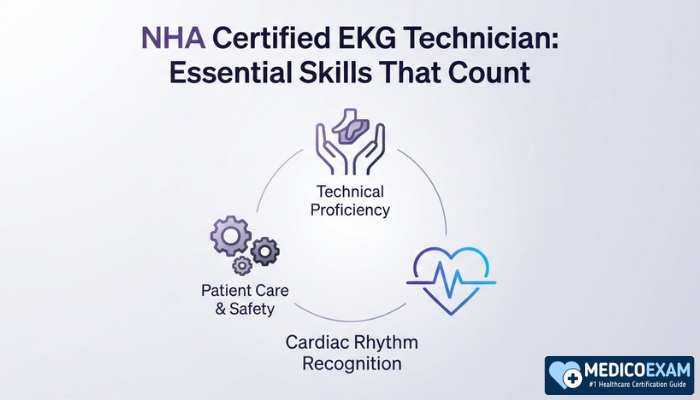
The NHA Certified EKG Technician (CET) certification, offered by the National Healthcareer Association (NHA), stands as a pivotal credential for individuals aspiring to excel in cardiovascular care. This certification validates essential skills in performing electrocardiograms, a crucial diagnostic tool for assessing heart function, and is identified by the exam code CET. Designed for healthcare professionals seeking to establish their competency, this guide provides a comprehensive overview of the NHA CET exam, its requirements, benefits, and effective preparation strategies. Aspiring EKG technicians will gain clarity on what the NHA CET entails, ensuring a confident start to their certification journey towards a rewarding career in healthcare.
Validating Essential Skills for EKG Technicians
The NHA Certified EKG Technician (CET) exam assesses a candidate's proficiency in core EKG technician responsibilities, affirming their readiness to perform critical tasks in various healthcare settings. This credential specifically validates competence in EKG acquisition, analysis, and patient care, ensuring that certified individuals can accurately capture and interpret electrocardiograms. Holding the CET designation demonstrates a foundational understanding of cardiac anatomy, physiology, and the procedures necessary to support cardiovascular diagnostics, making it a benchmark for entry-level EKG professionals. The certification emphasizes precision and patient safety, crucial elements for effective cardiac monitoring.
Understanding the EKG Technician Role
An EKG technician plays a vital role in patient diagnostics, working under the supervision of physicians and other medical staff. Their primary responsibility involves operating EKG machines, preparing patients for testing, and ensuring the accurate recording of electrical activity in the heart. This critical function directly aids in the diagnosis and monitoring of various cardiovascular conditions, emphasizing the need for precision and patient-focused care. Beyond the technical aspects, EKG technicians are often the first point of contact for patients undergoing cardiac tests, requiring strong communication and empathetic skills to alleviate anxiety and ensure cooperation. The NHA CET credential prepares individuals for these demanding yet rewarding responsibilities, highlighting the direct impact they have on patient outcomes.
Deconstructing the NHA CET Exam Structure
Understanding the National Healthcareer Association (NHA) CET exam format is crucial for effective preparation. The NHA Certified EKG Technician exam is designed to thoroughly evaluate a candidate's knowledge and practical skills required for the role. Prospective examinees should familiarize themselves with key details regarding its composition and scoring to approach the test with confidence and minimize surprises on exam day. The consistent structure ensures a fair assessment of all candidates across various testing locations.
Here are the essential details of the NHA CET exam:
-
Exam Name: NHA Certified EKG Technician
-
Exam Code: CET
-
Exam Price: $129 (USD)
-
Duration: 120 minutes
-
Number of Questions: 120 total, comprising 100 scored items and 20 pretest items. These pretest items are indistinguishable from scored items but do not affect the final score, allowing NHA to validate new questions for future exams.
-
Passing Score: Candidates must achieve a scaled score of 390 on a range of 200-500. This scaled scoring ensures fairness across different exam versions.
This comprehensive structure ensures a thorough assessment of competency across the EKG technician's domain, covering both theoretical knowledge and practical application scenarios. Knowing these specifics allows candidates to manage their time effectively during the exam and set realistic expectations for passing.
Exploring the NHA CET Content Outline
The NHA Certified EKG Technician (CET) exam covers several critical domains essential for competent EKG technician practice. Familiarizing yourself with these core areas is a fundamental step in crafting an effective study plan and ensuring comprehensive preparation for the certification. The NHA provides a structured overview of the knowledge and skills candidates are expected to demonstrate, ensuring they are well-versed in all facets of EKG procedures and patient care.
The NHA CET exam content is broadly categorized into these primary topics:
-
Safety, Compliance, and Coordinated Patient Care: This domain emphasizes the importance of patient safety protocols, legal and ethical compliance in healthcare settings, and effective communication strategies. It includes topics such as infection control, patient privacy (HIPAA), emergency procedures, and interdisciplinary collaboration to ensure optimal patient outcomes.
-
EKG Acquisition: This section focuses on the practical aspects of performing an EKG. It covers patient preparation, electrode placement accuracy, operating EKG equipment, recognizing and troubleshooting common artifacts, and understanding variations in EKG lead systems. Precision in acquisition is paramount for accurate diagnostic results.
-
EKG Analysis and Interpretation: Candidates are tested on their ability to identify normal versus abnormal EKG rhythms, recognize various arrhythmias, and understand the basic physiological implications of different waveforms and intervals. While not requiring diagnostic skills, technicians must accurately interpret findings and report them to the supervising physician.
Each of these areas encompasses specific tasks and knowledge components that an EKG technician must master to perform their duties effectively and safely. For a detailed breakdown of each domain and its subtopics, candidates are strongly encouraged to consult the official test plan document, which offers precise insights into the weighting and scope. A deep understanding of these areas is pivotal for successfully navigating the NHA CET exam questions and ensuring readiness for real-world scenarios.
Realizing the Benefits of NHA EKG Certification
Earning your NHA EKG certification, specifically the CET credential, offers a multitude of professional advantages beyond mere validation of skills. This certification serves as a powerful indicator to employers of a candidate's dedicated training and adherence to industry standards, setting a clear path for career advancement and enhanced credibility within the healthcare field. Aspiring EKG technicians can leverage this certification to unlock new opportunities and solidify their professional standing, making it a valuable investment in their future.
Advancing Your Career Trajectory
An NHA CET certification significantly impacts your career progression by demonstrating a commitment to professional excellence. Many healthcare facilities prefer or even require certified EKG technicians, making the CET a crucial differentiator in a competitive job market. It can open doors to various employment settings, including fast-paced hospitals, specialized cardiology clinics, physician's offices, and diagnostic centers, expanding your potential work environments. Certification can also accelerate promotion opportunities, allowing you to take on more complex tasks or supervisory roles as your experience grows. This credential signals to employers that you possess a verified skill set, which is highly sought after in the demanding healthcare industry.
Bolstering Professional Credibility
The NHA is a nationally recognized certifying body, meaning the CET credential carries significant weight and respect across the healthcare industry. Achieving this certification assures patients, colleagues, and employers alike of your foundational competency and adherence to best practices in EKG procedures. This professional endorsement can foster greater trust and confidence in your abilities, which is invaluable in patient care roles where accuracy and reliability are paramount. Being NHA certified demonstrates that you meet stringent national standards, elevating your status among peers and within the medical community.
Enhancing Earning Potential with NHA EKG Certification
While exact salaries for an NHA Certified EKG Technician vary by location, experience, and employer, certified professionals often command higher salaries compared to their non-certified counterparts. The recognized value and specialized skill set that comes with formal certification are frequently reflected in improved compensation packages. Investing in your professional development through the NHA CET can lead to a tangible return through better starting salaries and more rapid wage growth over time. Furthermore, the certification can make you eligible for positions that offer better benefits or more stable employment, contributing to overall financial well-being in your EKG technician career path.
Preparing for the NHA CET Exam Effectively

Achieving success on the NHA CET exam requires a structured and diligent approach to preparation. Simply reviewing materials haphazardly is unlikely to yield the best results. Instead, candidates should develop a comprehensive NHA CET study guide that incorporates various learning methods, from official resources to practical application, ensuring all key content areas are thoroughly covered. This strategic preparation minimizes anxiety, builds confidence, and maximizes readiness for the challenges of the exam, helping you navigate the NHA CET exam questions efficiently.
Selecting Optimal Study Materials
Choosing the best NHA CET study materials is paramount to effective learning. Official NHA resources, such as their study guides and online practice assessments, are invaluable as they align directly with the exam's content outline and question style. These materials are meticulously developed to reflect the most current exam specifications. Additionally, reputable NHA Certified EKG Technician review book options can provide supplementary explanations, detailed anatomical diagrams, and additional practice questions, often offering different perspectives on complex topics. Focus on materials that offer comprehensive coverage of Safety, Compliance, EKG Acquisition, and EKG Analysis, ensuring they are up-to-date with current medical practices and NHA guidelines. A diverse set of resources can offer a holistic understanding.
Leveraging NHA Certified EKG Technician Practice Tests
Integrating NHA Certified EKG Technician practice test sessions into your study routine is a critical component of successful preparation. Practice tests help you become familiar with the exam format, pacing, and question types, allowing you to develop effective test-taking strategies. They also serve as diagnostic tools, highlighting specific areas where your knowledge might be weak and requires further study. Regularly taking full-length practice exams under timed conditions can significantly improve your performance on the actual test day by building endurance and managing time pressure. For robust preparation, consider utilizing platforms offering specific NHA CET practice tests to refine your skills and build confidence through realistic simulations. Many platforms also offer NHA CET practice exam free options for initial assessment.
Cultivating Effective Study Habits
Beyond selecting the right materials and taking practice tests, developing strong study habits is key to mastering the NHA EKG certification topics. This includes creating a realistic study schedule that breaks down complex topics into manageable chunks, allowing for consistent progress without feeling overwhelmed. Utilize active recall techniques, such as flashcards or self-quizzing, to reinforce memory retention. Explaining concepts in your own words or teaching them to others can significantly deepen understanding and identify gaps in your knowledge. Additionally, ensure you allocate sufficient time for reviewing EKG certification topics repeatedly, focusing on areas identified as weaknesses through practice exams. Regular breaks are also crucial to prevent burnout and maintain optimal cognitive function, making your study sessions more productive.
Meeting NHA EKG Certification Requirements
Before you can sit for the NHA CET exam, it is essential to understand and fulfill the specific eligibility criteria set forth by the National Healthcareer Association. These NHA EKG certification requirements are designed to ensure that all candidates possess a foundational level of education and experience necessary to competently perform the duties of an EKG technician. Meeting these prerequisites is the first official step toward becoming a certified professional, and verifying them thoroughly can save time and effort in your certification journey.
Candidates generally qualify through one of two primary pathways:
-
Completion of a formal EKG training program: This pathway requires candidates to have successfully completed a structured EKG training program within the last five years. Such programs typically include both didactic (classroom) instruction covering cardiac anatomy, physiology, and EKG principles, as well as clinical components involving hands-on practice in EKG acquisition and patient care. The program must be from an accredited institution or NHA-approved organization.
-
One year of supervised work experience: Alternatively, individuals may qualify by demonstrating one year of supervised work experience performing EKGs within the last three years. This route is typically for individuals who have gained extensive hands-on experience in a clinical setting but may not have a formal program certificate. The experience must be documented and verifiable, often requiring letters from employers or supervisors detailing the scope of responsibilities.
It is crucial to verify the specifics of your eligibility directly on the official NHA website to ensure all current requirements are met. The NHA continuously updates its guidelines, so relying on outdated information could lead to delays. Ensuring compliance beforehand prevents any unforeseen obstacles in your certification journey, allowing you to focus on the NHA CET exam content outline.
Understanding NHA CET Exam Day Protocol
Approaching the NHA CET exam day with a clear understanding of the logistics and expectations can significantly reduce stress and improve focus. The NHA Certified EKG Technician exam is administered at various testing centers, requiring candidates to adhere to specific procedures to ensure a fair and secure testing environment. Being well-informed about the day's protocol allows you to concentrate solely on demonstrating your knowledge and skills, rather than being distracted by administrative uncertainties.
Consider the following key aspects for your exam day:
-
Arrival Time: Plan to arrive at the testing center at least 30 minutes before your scheduled exam time. This allows ample time for check-in procedures, finding parking, and settling in without feeling rushed or anxious.
-
Identification: You will need to present a valid, government-issued photo ID that matches the name on your NHA registration exactly. Ensure your ID is current (not expired) and accepted by the testing center. Without proper identification, you may be denied entry.
-
Proctored Environment: The exam is strictly proctored to maintain integrity. You will be provided with a workstation and instructions. Personal items, including cell phones, smartwatches, notes, bags, and unauthorized electronic devices, are typically not allowed in the testing area and must be stored in provided lockers.
-
Exam Interface: The NHA CET exam questions are presented via a computer interface. While generally user-friendly, familiarizing yourself with basic computer navigation and the practice test interface can be beneficial. Tutorials are usually available before starting the actual exam.
-
Breaks: Check with the testing center or NHA guidelines regarding allowed breaks during the 120-minute duration. Unauthorized breaks or leaving the testing area without permission can lead to disqualification or invalidation of your exam.
-
Scoring: Your preliminary results may be available immediately after completing the exam, though official, verified results typically follow within a few weeks directly from NHA. Understanding this timeline helps manage post-exam expectations.
Adhering to these guidelines ensures a smooth testing experience and allows you to dedicate your full mental energy to answering the NHA CET exam questions. Adequate rest, a light meal, and positive self-talk on exam day can further enhance your performance and readiness.
Charting Your NHA Certified EKG Technician Career Path
Obtaining your NHA Certified EKG Technician (CET) certification opens up diverse and rewarding career opportunities within the dynamic healthcare sector. This credential not only validates your core skills but also positions you for various roles where your expertise in cardiovascular diagnostics is crucial. Understanding the potential EKG technician jobs NHA certification can lead to, alongside the broader NHA Certified EKG Technician career path, helps individuals envision their professional future and set achievable goals for growth and specialization.
Diverse Employment Settings for NHA Certified EKG Technicians
Certified EKG technicians find employment in a wide array of healthcare environments, each offering unique experiences and patient interactions. These include:
-
Hospitals: Often the largest employers, offering roles in cardiology departments, emergency rooms, intensive care units, and surgical suites. Hospital settings provide exposure to a broad range of cardiac conditions and procedures, often in fast-paced environments.
-
Outpatient Clinics: Smaller, more focused settings typically specializing in routine EKG screenings, follow-ups for chronic conditions, and pre-surgical assessments. These environments often foster longer-term patient relationships.
-
Physician's Offices: Supporting general practitioners, cardiologists, and other specialists with in-house diagnostic capabilities. Here, EKG technicians work closely with a smaller team and may handle a wider variety of administrative and clinical tasks.
-
Diagnostic Imaging Centers: Specialized facilities focusing on various diagnostic tests, including EKGs, stress tests, and Holter monitoring. These centers often have state-of-the-art equipment and a focus on efficient patient throughput.
-
Long-term Care Facilities: Monitoring residents' cardiac health on an ongoing basis, particularly for those with chronic heart conditions or at risk of cardiac events. This role often involves more consistent patient observation and documentation.
Each setting offers a unique work environment and patient population, allowing technicians to choose a path that aligns with their personal preferences and career aspirations. The versatility of the NHA CET makes graduates highly adaptable to these varied demands.
Professional Growth and Specialization Opportunities
The NHA CET serves as a strong foundation for continued professional growth. EKG technicians can pursue advanced certifications or specialize in areas such as:
-
Cardiovascular Technology (CVT): Further training to perform more complex diagnostic procedures like echocardiograms (ultrasounds of the heart), vascular studies, and stress tests. This often requires additional schooling and certifications like the Registered Cardiovascular Invasive Specialist (RCIS) or Registered Diagnostic Cardiac Sonographer (RDCS).
-
Telemetry Monitoring: Focusing on continuous cardiac monitoring in hospital settings, where technicians observe multiple patients' heart rhythms from a central station and alert nurses or doctors to significant changes. This specialization requires keen observational skills and rapid response.
-
Cardiac Catheterization Labs: Assisting physicians during invasive cardiac procedures, including stent placements, angioplasties, and electrophysiology studies. This highly specialized role involves working directly with advanced medical equipment and critically ill patients.
These specializations can lead to increased responsibilities, higher earning potential, and a deeper involvement in critical patient care decisions. The NHA Certified EKG Technician career path is not static; it encourages continuous learning and skill development, providing numerous avenues for career advancement within the broader field of cardiology.
NHA Certified EKG Technician Salary Expectations
While salary can vary widely based on geographical location, years of experience, and specific employer, the NHA Certified EKG Technician salary generally reflects a competitive entry-level wage with significant growth potential. Certification often acts as a leverage point during salary negotiations and can lead to faster promotions and access to higher-paying specialized roles. Factors such as the cost of living in a particular region, the type of healthcare facility (e.g., large hospital vs. small clinic), and the demand for EKG technicians in that area all influence earning potential. Prospective technicians should research local salary data to get a realistic understanding of earning potential in their target areas, but overall, the investment in NHA CET certification tends to yield positive financial returns over a career.
Sustaining Your NHA EKG Certification
Maintaining your NHA EKG certification is just as important as earning it, ensuring your credentials remain current and your skills are continuously updated. The National Healthcareer Association requires certified professionals to renew their CET certification periodically, typically every two years, to uphold standards of competency and stay abreast of evolving healthcare practices. This ongoing commitment to professional development is crucial for long-term career success and for providing the highest quality of patient care.
Key aspects of maintaining your NHA CET certification include:
-
Continuing Education (CE): NHA requires a specific number of continuing education credits (CEUs) within each two-year certification cycle. These credits demonstrate that you are actively learning and keeping your knowledge current. CEUs can be earned through various approved activities, such as online courses, workshops, seminars, professional conferences, or even employer-provided training sessions.
-
NHA Requirements: Always refer to the official NHA website for the most current and precise renewal requirements, including the exact number of CEUs needed and the types of activities accepted for earning them. Requirements can change, so staying informed directly through the source is critical.
-
Renewal Application and Fees: Submit your renewal application and pay any associated fees before your certification expiration date to avoid lapses in your credential. Timely renewal ensures uninterrupted professional standing and eligibility for employment requiring certification.
Proactive engagement in continuing education not only fulfills renewal requirements but also ensures that you remain a highly competent, knowledgeable, and valuable EKG technician throughout your career. It demonstrates a commitment to excellence and lifelong learning within the dynamic field of healthcare.
Making an Informed Decision for Your EKG Career
Embarking on a career as an EKG technician is a significant step, and the NHA CET certification is often the gateway. For beginners, understanding what is the NHA CET exam and its implications is vital for making an informed choice about their professional future. This credential offers a clear, nationally recognized pathway into cardiovascular care, but it requires dedication to study and a commitment to patient safety and accuracy. Evaluating your interests, skills, and career aspirations against the demands and opportunities of the role is crucial before committing to the certification process.
Consider the following points when deciding if the NHA CET is right for you:
-
Career Interest: Are you genuinely interested in cardiovascular health and diagnostics? The role demands precision, meticulous attention to detail, and a calm demeanor, particularly when working with patients who may be anxious or unwell. A genuine passion for helping others through diagnostic support is key.
-
Patient Interaction: EKG technicians interact directly with patients, often those experiencing anxiety or distress regarding their health. Empathy, clear and concise communication skills, and the ability to maintain professionalism under pressure are essential for providing comforting and effective care.
-
Job Market: Research the demand for EKG technician jobs NHA certification supports in your local area and nationally. Healthcare is a continually growing field, and skilled, certified technicians are consistently needed, but regional variations in demand exist. Understanding local opportunities can help you gauge career prospects.
-
Commitment to Learning: The NHA CET exam content outline covers foundational knowledge that requires dedicated and disciplined study. Are you prepared for rigorous preparation, including reviewing complex medical terminology and technical procedures? A willingness to invest time and effort is paramount.
-
Long-term Goals: Does EKG technician work align with your broader healthcare career aspirations? The CET can be an excellent stepping stone to other cardiovascular specializations, nursing, or other allied health professions, providing a solid foundation in patient care and cardiac diagnostics.
By thoughtfully evaluating these factors, aspiring EKG technicians can confidently determine if the NHA CET certification aligns with their career goals and professional aspirations. This self-assessment ensures that the path chosen leads to a fulfilling and sustainable career.
Conclusion
The NHA Certified EKG Technician (CET) certification is a crucial credential for anyone seeking to establish a career in cardiovascular diagnostics. From understanding the exam's structure and syllabus to leveraging effective study strategies and recognizing the career benefits, this guide aims to equip beginners with the comprehensive knowledge needed to navigate their certification journey. Achieving the NHA CET validates essential skills, enhances professional credibility, and opens doors to a fulfilling career as an EKG technician, contributing significantly to patient care and overall healthcare quality.
Taking the leap towards NHA CET certification is an investment in your professional future. By focusing on diligent preparation and utilizing reliable resources, you can confidently pursue this valuable credential. For further study aids and practice tests designed to help you prepare effectively, explore the extensive resources available to ensure you are fully ready to excel.
FAQs
1. What is the NHA Certified EKG Technician (CET) exam?
The NHA Certified EKG Technician (CET) exam is a national certification that validates the competency of individuals to perform electrocardiograms and other related cardiovascular diagnostic procedures in various healthcare settings. It covers essential areas like safety, EKG acquisition, and EKG analysis and interpretation.
2. What are the general requirements to sit for the NHA CET exam?
Typically, candidates must have completed a formal EKG training program within the last five years or possess at least one year of supervised work experience performing EKGs within the last three years. Specific eligibility criteria should always be confirmed on the official NHA website.
3. How much does the NHA CET exam cost?
The NHA CET exam cost is $129 (USD). This fee is subject to change, so it's always best to check the current pricing on the official NHA website before registering for the examination.
4. How long is the NHA CET exam and how many questions does it have?
The NHA CET exam duration is 120 minutes. It consists of 120 questions in total, with 100 of these being scored items that contribute to your final result, and 20 being pretest items which do not.
5. What kind of jobs can I get with an NHA Certified EKG Technician certification?
With an NHA CET certification, you can work as an EKG technician in various settings such as hospitals, outpatient clinics, physician's offices, diagnostic imaging centers, and long-term care facilities. Your primary duties will include performing EKGs and assisting in cardiac diagnostic procedures.
- NHA CET Question Bank |
- NHA CET Eligibility & Requirements |
- NHA EKG Technician Practice Test |
- NHA CET Exam Cost |
- NHA CET Registration Process |
- NHA EKG Technician Study Guide |
- NHA CET Recertification |
- NHA CET Certification Overview |
- NHA EKG Technician Syllabus |
- NHA CET Preparation Time |
- NHA CET Passing Score |
- NHA CET Exam Format |
- NHA EKG Technician Sample Questions |
- NHA CET Career Opportunities |
- NHA CET Exam Difficulty


