
Mastering the C-ONQS Exam: Strategic Insights.
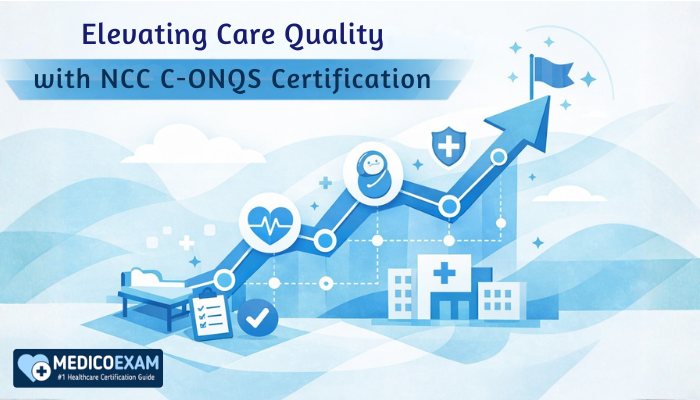 The C-ONQS exam, offered by the NCC (National Certification Corporation), is a distinguished credential designed to validate the specialized knowledge and skills of healthcare professionals dedicated to advancing quality and safety within obstetric and neonatal care. This certification signifies a commitment to reducing preventable errors, improving patient outcomes, and fostering a culture of safety in critical maternal and infant health settings. Professionals who pursue the C-ONQS certification typically include registered nurses, nurse practitioners, clinical nurse specialists, and other qualified healthcare providers involved in the planning, implementation, and evaluation of quality and safety initiatives in these specialties. This article provides practical strategies and insights to help candidates confidently approach their NCC C-ONQS exam preparation and achieve certification.
Attaining Excellence in Obstetric and Neonatal Care Quality
Achieving the NCC C-ONQS certification demonstrates a high level of competency in developing, implementing, and evaluating quality and safety programs in obstetric and neonatal environments. This credential serves as a testament to a professional's dedication to maintaining the highest standards of care and proactively addressing potential risks. It distinguishes individuals as leaders capable of driving significant improvements in patient outcomes, enhancing organizational efficiency, and ensuring compliance with evolving healthcare regulations. The certification reinforces the critical role of specialized knowledge in preventing adverse events, fostering a culture of continuous improvement, and ultimately protecting vulnerable patients and their families.
The Importance of Quality and Safety Expertise
In the complex and high-stakes fields of obstetrics and neonatology, the margin for error is exceptionally thin. Professionals with advanced knowledge in quality and safety are indispensable for identifying systemic issues, implementing evidence-based practices, and leading initiatives that safeguard patient well-being. The C-ONQS certification equips practitioners with the analytical tools and frameworks necessary to critically assess current practices, identify areas for improvement, and champion data-driven interventions. This expertise directly translates into tangible benefits, such as reduced rates of maternal and infant mortality, fewer adverse events, and a higher standard of care delivery.
Elevating Patient Safety Through Certification
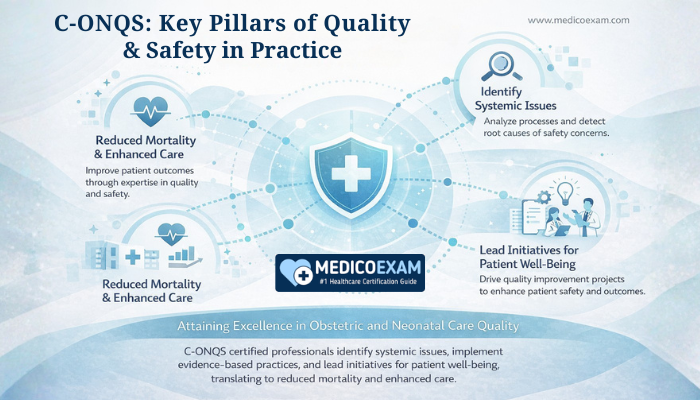 Obtaining the Obstetric and Neonatal Quality and Safety certification significantly impacts patient safety by empowering healthcare professionals to implement robust safety protocols and lead quality improvement projects. Certified individuals are better equipped to analyze risks, develop effective mitigation strategies, and foster an environment where safety is paramount. The C-ONQS certification recognizes those who actively work to eliminate preventable harm and enhance the overall quality of care for mothers and infants. This commitment to excellence ensures that healthcare facilities meet and exceed national safety benchmarks.
Realizing the Benefits of C-ONQS Obstetric and Neonatal Quality and Safety Certification
The benefits of achieving the C-ONQS certification extend beyond individual professional recognition, profoundly influencing patient care and organizational performance. This credential validates a specialized skill set essential for driving positive change in healthcare settings.
-
Enhanced Credibility: Certification provides formal recognition of expertise in quality and safety, boosting professional credibility among peers, employers, and patients. It signals a dedication to specialized knowledge and continuous learning within a critical area of healthcare.
-
Improved Patient Outcomes: Certified professionals are better equipped to identify and mitigate risks, leading to a direct reduction in adverse events and improved health outcomes for mothers and neonates. They contribute to a safer care environment by applying evidence-based quality initiatives.
-
Career Advancement: Holding a C-ONQS certification can open doors to leadership roles in quality improvement, patient safety, and risk management. It demonstrates a proactive approach to professional development and a readiness to take on advanced responsibilities.
-
Organizational Value: Hospitals and healthcare systems benefit from certified staff who can lead initiatives to comply with regulatory standards, enhance patient satisfaction, and reduce costs associated with errors. Certified individuals help organizations achieve higher performance metrics and positive public perception.
-
Professional Empowerment: The certification provides a solid foundation of knowledge, empowering professionals to confidently advocate for and implement best practices in quality and safety, thereby influencing positive systemic changes within their organizations.
This advanced credential equips healthcare leaders with the tools to systematically improve care processes and foster an unwavering commitment to patient safety. You can learn more about this certification and related practice questions by visiting NCC C-ONQS exam details.
Crafting an Effective C-ONQS Exam Preparation Plan
Preparing for the NCC C-ONQS exam requires a structured and consistent approach. Developing a comprehensive study plan is crucial for covering all relevant domains and ensuring you are ready for the examination. This involves identifying your learning style, allocating sufficient time, and leveraging a variety of resources. A well-designed plan minimizes stress and maximizes your chances of success.
Understanding the C-ONQS Certification Requirements and Content Outline
While specific details regarding certification requirements and a detailed exam content outline are best sourced directly from the NCC website, candidates should generally anticipate needing to meet professional licensure standards and have relevant experience in obstetric and neonatal care. The NCC C-ONQS exam content outline typically covers core principles of quality improvement, patient safety methodologies, risk management, data analysis, regulatory compliance, and interdisciplinary team collaboration specific to the obstetric and neonatal populations. A thorough review of the official candidate guide, available on the NCC website, is essential for understanding the precise scope and depth of topics to be covered. Access the official NCC candidate guide to review the complete structure and content at NCC C-ONQS candidate guide.
Strategic Study Approaches
Your study approach should be tailored to the breadth of the C-ONQS exam topics.
-
Begin with the Basics: Revisit foundational concepts in quality improvement (e.g., Lean, Six Sigma, PDSA cycles) and patient safety (e.g., human factors, root cause analysis, error reporting systems). A strong grasp of these core principles will provide a framework for understanding their application in obstetric and neonatal settings.
-
Prioritize Key Areas: Based on the NCC content outline, identify areas where you may have less practical experience or theoretical knowledge. Dedicate extra study time to these areas.
-
Utilize Case Studies: Real-world scenarios are invaluable for understanding how quality and safety principles are applied. Analyze case studies related to obstetric and neonatal adverse events, focusing on root causes, interventions, and outcomes.
-
Engage in Active Learning: Don't just read. Create flashcards, teach concepts to peers, or join study groups. Active engagement enhances retention and comprehension.
-
Time Management: Allocate specific study blocks and stick to them. Break down complex topics into manageable segments. Consistent, focused study sessions are more effective than sporadic cramming.
Optimizing Your Study Resources and Practice
Selecting the right study materials and incorporating consistent practice are pivotal for excelling in the C-ONQS exam. High-quality resources provide comprehensive coverage of exam topics and help you gauge your readiness. Focusing on reliable and current information is critical to ensure your preparation aligns with the NCC's standards.
Best Study Materials for NCC C-ONQS Exam
Effective preparation hinges on using authoritative and relevant study materials.
-
Official NCC Resources: The most reliable resources are those provided or recommended by the NCC. This often includes a detailed candidate handbook, exam content outlines, and sometimes sample questions. Always start here.
-
Reputable Textbooks: Look for current textbooks on quality improvement, patient safety, obstetric nursing, and neonatal nursing from recognized publishers. Focus on chapters related to risk management, evidence-based practice, and regulatory compliance.
-
Professional Organizations: Resources from organizations like AWHONN (Association of Women's Health, Obstetric and Neonatal Nurses) or the National Perinatal Association can offer valuable insights, guidelines, and educational materials pertinent to the exam.
-
Online Learning Modules: Many educational platforms and professional associations offer online courses or modules specifically designed for quality and safety in healthcare. Ensure these are aligned with the C-ONQS exam's focus.
-
Peer-Reviewed Articles: Staying current with research and best practices published in peer-reviewed journals on obstetric and neonatal quality and safety can provide deeper insights into contemporary issues and solutions.
Implementing Obstetric and Neonatal Quality and Safety Practice Questions
Practice questions are indispensable for assessing your understanding and identifying areas that require further study. They also familiarize you with the exam format and question types.
Engage with practice questions regularly throughout your study period. Don't just focus on getting the right answer; understand the rationale behind each correct and incorrect option. This deep dive into explanations solidifies your knowledge and improves your critical thinking skills under exam conditions. Utilize dedicated practice question banks to simulate the exam experience effectively. Many platforms offer practice questions that mirror the style and complexity of the actual C-ONQS exam, helping you refine your test-taking strategies. For comprehensive practice tailored to the C-ONQS exam, consider exploring available study tools that offer detailed explanations and performance tracking to enhance your learning.
Navigating the C-ONQS Certification Journey
Embarking on the path to C-ONQS certification is a strategic career move that requires understanding not only the preparation but also the administrative aspects of the process. From initial application to managing fees and potential recertification, being informed ensures a smooth and stress-free journey. This holistic view helps candidates anticipate each stage and plan accordingly.
NCC C-ONQS Certification Cost and Fees
The cost of the C-ONQS exam, including application fees and examination fees, is set by the NCC and may vary. Candidates should consult the official NCC website for the most current and accurate fee schedule. Typically, these fees cover the administration of the exam, scoring, and the issuance of the certification. Some professional organizations or employers may offer reimbursement or financial assistance for certification exams, so it's worth exploring these options. Budgeting for these costs early in your preparation phase is a practical step.
Understanding NCC C-ONQS Recertification Process
Professional certifications like the C-ONQS are designed to ensure ongoing competency and continuous learning. The NCC C-ONQS recertification process typically involves fulfilling specific continuing education (CE) requirements within a defined timeframe after your initial certification. This ensures that certified professionals remain current with the latest advancements, best practices, and regulatory changes in obstetric and neonatal quality and safety. Details regarding the number of CE hours, acceptable CE activities, and the recertification cycle are outlined on the NCC website. Proactive tracking of CE activities is crucial to avoid lapses in certification. The official NCC website provides comprehensive information on initial certification and recertification policies at NCC C-ONQS certification details.
Sustaining Professional Excellence and Recertification
Maintaining your C-ONQS certification is a testament to an ongoing commitment to excellence in obstetric and neonatal quality and safety. The recertification process is designed not as a hurdle, but as an opportunity for continuous professional development, ensuring that certified individuals remain at the forefront of their field. This sustained engagement keeps your skills sharp and your knowledge current, reinforcing your value to patients and employers alike.
The Value of Continuous Professional Development
The landscape of healthcare is constantly evolving, with new research, technologies, and best practices emerging regularly. Continuous professional development, often facilitated through the recertification process, ensures that C-ONQS certified professionals adapt and integrate these advancements into their practice. This includes staying informed about:
-
Emerging Trends: Understanding new quality improvement methodologies and patient safety initiatives.
-
Regulatory Updates: Keeping abreast of changes in healthcare regulations and accreditation standards relevant to obstetric and neonatal care.
-
Evidence-Based Practice: Incorporating the latest research findings to optimize patient care protocols and reduce preventable errors.
This ongoing learning not only supports recertification but also significantly contributes to a culture of continuous improvement within healthcare organizations, directly benefiting patient populations.
Overcoming Exam Day Challenges with Confidence
The day of the C-ONQS exam can be daunting, but with the right mindset and practical strategies, you can approach it with confidence. Effective exam day management is just as important as your study preparation. By anticipating common challenges and having a plan to address them, you can ensure your hard work translates into a successful outcome.
Strategies for a Smooth Exam Experience
Beyond mastering the content, managing the logistics and mental aspects of the exam day can significantly impact your performance.
-
Rest and Nutrition: Ensure you get adequate rest the night before the exam. A well-rested mind is crucial for optimal cognitive function. Eat a balanced meal before heading to the test center to maintain energy levels throughout the exam.
-
Arrive Early: Plan to arrive at the test center well in advance to account for any unforeseen delays. This allows you to settle in, locate your testing room, and mentally prepare without rushing.
-
Familiarize Yourself with the Format: Understand the testing interface and question types beforehand. If a tutorial is offered, take advantage of it.
-
Read Questions Carefully: Pay close attention to every word in the question and all answer choices. Misreading a question is a common source of error. Look for keywords or phrases that might indicate the best possible answer among close options.
-
Time Management During the Exam: Keep an eye on the clock. If you encounter a challenging question, make your best educated guess, mark it for review if possible, and move on. Don't dwell excessively on one question, as it can consume valuable time and affect your focus on subsequent questions.
-
Maintain a Positive Mindset: Trust in your preparation. If you feel overwhelmed, take a brief moment to breathe deeply and refocus. A positive and calm approach can significantly enhance your performance.
These practical tips, combined with thorough preparation, will empower you to perform your best on the C-ONQS exam.
The NCC C-ONQS exam passing score, like many certification exams, is often determined by psychometric methods to ensure fairness and consistency, rather than a fixed percentage. Candidates should focus on achieving comprehensive mastery of the subject matter rather than targeting a specific raw score.
Frequently Asked Questions
1. What is the NCC C-ONQS certification, and who is it for?
-
The NCC C-ONQS certification, or Obstetric and Neonatal Quality and Safety, is a specialized credential from the National Certification Corporation. It validates expertise in enhancing patient safety and quality outcomes for mothers and infants. It is designed for healthcare professionals, typically registered nurses and advanced practice nurses, who are involved in quality improvement and safety initiatives within obstetric and neonatal care settings.
2. How does the C-ONQS certification benefit my career and patient care?
-
The C-ONQS certification significantly boosts professional credibility, opening doors to leadership roles in quality and safety. For patient care, it empowers professionals to implement evidence-based practices, identify and mitigate risks, and drive initiatives that directly lead to improved patient outcomes and a safer environment for mothers and neonates.
3. What are the key areas covered by the NCC C-ONQS exam topics and domains?
-
While specific details are on the NCC website, the C-ONQS exam typically covers fundamental principles of quality improvement, patient safety methodologies, risk assessment and management, data analysis for quality initiatives, regulatory and ethical considerations, and interdisciplinary collaboration within obstetric and neonatal contexts.
4. How should I prepare for the NCC C-ONQS exam, and what study materials are best?
-
Effective preparation involves developing a structured study plan, utilizing official NCC resources, current textbooks, and materials from professional organizations. Incorporate regular practice questions to test your knowledge and familiarize yourself with the exam format. Active learning techniques like case study analysis and study groups are highly recommended.
5. What is involved in the NCC C-ONQS recertification process?
-
The NCC C-ONQS recertification process generally requires certified professionals to complete a specified number of continuing education (CE) hours within a defined timeframe. This ensures ongoing competency and up-to-date knowledge in the dynamic fields of obstetric and neonatal quality and safety. Full details on CE requirements and the recertification cycle are available on the official NCC website.
Conclusion
In conclusion, achieving the NCC C-ONQS certification is a significant milestone for healthcare professionals dedicated to obstetric and neonatal quality and safety. While the journey demands rigorous preparation, strategic study, and a commitment to continuous learning, the benefits—both professional and for patient care—are substantial. Embrace the preparation process as an opportunity for profound growth and skill refinement.
Embark on your certification journey with confidence, leveraging every available resource to master the domains of obstetric and neonatal quality and safety. For additional study resources and practice questions to enhance your preparation, visit Obstetric and Neonatal Quality and Safety practice questions. Your dedication not only propels your career but also elevates the standard of care for the most vulnerable patients.
- NCC C-ONQS Question Bank |
- NCC C-ONQS Eligibility & Requirements |
- NCC Obstetric and Neonatal Quality and Safety Practice Test |
- NCC C-ONQS Exam Cost |
- NCC C-ONQS Registration Process |
- NCC Obstetric and Neonatal Quality and Safety Study Guide |
- NCC C-ONQS Recertification |
- NCC C-ONQS Certification Overview |
- NCC Obstetric and Neonatal Quality and Safety Syllabus |
- NCC C-ONQS Preparation Time |
- NCC C-ONQS Passing Score |
- NCC C-ONQS Exam Format |
- NCC Obstetric and Neonatal Quality and Safety Sample Questions |
- NCC C-ONQS Career Opportunities


