
The NCC WHNP-BC X-Factor for Nurse Practitioners
The NCC WHNP-BC (Women's Health Care Nurse Practitioner-Board Certified) credential signifies a specialized level of expertise and commitment within women's healthcare. This certification validates advanced clinical knowledge and skills essential for nurse practitioners providing comprehensive care to women across the lifespan. Professionals pursuing this rigorous examination demonstrate their dedication to upholding the highest standards of practice in obstetrics, gynecology, primary care, and professional issues. This article provides a comprehensive overview of the NCC WHNP-BC certification, detailing its purpose, examination structure, syllabus, benefits, and strategic preparation insights, aimed at empowering aspiring and current nurse practitioners to achieve this distinguished credential.
Achieving Advanced Practice with NCC WHNP-BC Certification
The NCC WHNP-BC certification serves as a pivotal benchmark for nurse practitioners specializing in women's health. This credential affirms a practitioner's in-depth understanding of complex physiological, psychological, and sociological aspects impacting women's well-being. By attaining this board certification, nurse practitioners demonstrate their capability to offer evidence-based care, from preventive screenings and health promotion to the diagnosis and management of acute and chronic conditions. It is a vital step for those committed to advancing their careers and providing exceptional patient outcomes in women’s health.
Understanding the NCC WHNP-BC Examination Landscape
Successfully navigating the NCC WHNP-BC certification process requires a clear understanding of the examination's structure and administrative details. The exam is designed to rigorously assess a candidate's readiness to practice as a Women's Health Care Nurse Practitioner. Knowing these specifics is the first step in building a robust study plan and approaching the examination with confidence.
The NCC Board Certification - Women's Health Care Nurse Practitioner exam, designated as WHNP-BC, assesses the candidate's mastery of the women's health nurse practitioner role. The examination carries a price of $325, which is broken down into a $50 non-refundable application submission cost and a $275 testing fee. Candidates are allocated 180 minutes to complete the exam, which consists of 175 questions in total. Of these, 150 items are scored, while 25 items are pretest questions that do not count towards the final score. The examination operates on a pass/fail basis, with the approximate passing score typically around 72%.
Key Domains of Women's Health Care Nurse Practitioner Practice
The NCC WHNP-BC examination covers a broad spectrum of topics essential for competent women's healthcare practice, ensuring certified professionals possess a holistic understanding of their specialty. Each content area contributes a specific percentage to the overall exam, highlighting the relative importance and depth of knowledge required for each domain. A strategic approach to studying involves allocating time in proportion to these weightings. For a detailed breakdown of what is expected, candidates can refer to the official candidate guide.
The WHNP-BC exam content outline is meticulously structured into distinct domains, reflecting the multi-faceted nature of women's health. These domains guide candidates on the knowledge areas they must master:
-
Assessment, Diagnostic Testing and Interpretation: 12% of the exam focuses on the foundational skills of gathering patient information, ordering appropriate tests, and accurately interpreting results to inform clinical decisions.
-
Primary Care: 13% of the questions address the broader primary care aspects relevant to women, including general health maintenance, common illnesses, and continuity of care that extends beyond reproductive health.
-
Gynecologic and Reproductive Health: As the largest section, 33% of the exam is dedicated to core gynecologic and reproductive health issues, encompassing contraception, sexually transmitted infections, common gynecological disorders, and preventive screenings.
-
Obstetrics: With 29% of the exam, this significant portion evaluates knowledge related to prenatal, intrapartum, and postpartum care, as well as common obstetric complications and management strategies.
-
Pharmacology: 10% of the examination tests the candidate's understanding of pharmacological principles, drug classes, dosages, adverse effects, and appropriate prescribing practices within women's health.
-
Professional Practice Issues: The remaining 3% addresses ethical, legal, and professional aspects of advanced practice nursing, including patient advocacy, collaboration, and adherence to professional standards.
Elevating Your Career with NCC WHNP-BC Credentialing
Obtaining the NCC WHNP-BC certification provides substantial professional advantages, distinguishing nurse practitioners in a competitive healthcare landscape. This credential signals a higher level of competence and dedication to employers, colleagues, and most importantly, patients. It translates into enhanced career opportunities and professional recognition, solidifying one's position as a leader in women's health.
The benefits of becoming an NCC WHNP-BC certified nurse practitioner are multifaceted and extend across various aspects of professional life:
-
Enhanced Professional Credibility: Certification validates a specialized skill set and advanced knowledge, establishing a practitioner as an expert in women's health. This recognition can lead to increased trust from patients and referrals from other healthcare providers.
-
Expanded Career Opportunities: Many healthcare institutions and employers prioritize certified professionals for advanced roles, leadership positions, and specialized units. The WHNP-BC credential can open doors to more desirable positions and career pathways.
-
Potential for Increased Earning Potential: While not universally guaranteed, board certification often correlates with higher salaries compared to non-certified counterparts, reflecting the specialized expertise and value brought to the role.
-
Demonstrated Commitment to Excellence: Pursuing and achieving certification showcases a strong commitment to lifelong learning, professional development, and adherence to rigorous standards of practice.
-
Improved Patient Outcomes: The in-depth knowledge and skills assessed by the exam contribute directly to providing higher quality, evidence-based care, ultimately leading to better health outcomes for women. For further details on the significance of this certification, consider exploring the NCC certification overview.
Strategizing Your NCC WHNP-BC Preparation
Effective preparation for the NCC WHNP-BC exam is crucial for success, requiring a structured approach that integrates various study methods. Candidates should not only focus on content mastery but also on developing strong test-taking strategies. A well-rounded study plan should address all identified syllabus topics, practice critical thinking, and simulate exam conditions.
Building a Comprehensive Study Plan
A strong study plan starts with an assessment of your current knowledge and identifying areas needing improvement. This allows for targeted studying and efficient use of valuable preparation time.
-
Review the Exam Blueprint: Begin by thoroughly understanding the NCC WHNP-BC exam blueprint and content outline. Pay close attention to the weighting of each section to prioritize your study efforts accordingly. This ensures you dedicate sufficient time to high-yield topics like Gynecologic and Reproductive Health, and Obstetrics.
-
Gather Quality Study Materials: Compile a range of reliable resources, including current women's health textbooks, clinical guidelines, evidence-based practice articles, and review courses. Utilizing comprehensive study resources can significantly enhance understanding and retention of complex information. For comprehensive preparation resources, explore specialized exam preparation materials.
-
Create a Detailed Schedule: Develop a realistic study schedule that allocates specific time slots for each content area. Break down large topics into smaller, manageable chunks. Consistency is key, so integrate regular study sessions into your routine.
-
Utilize Practice Questions: Regularly engage with NCC Board Certification Women's Health Care Nurse Practitioner practice questions. This helps you become familiar with the exam format, question types, and time management. Analyze incorrect answers to understand the rationale and reinforce learning.
Effective Study Techniques
Beyond reviewing content, implementing active and varied study techniques can significantly improve retention and recall during the actual exam.
-
Active Recall and Spaced Repetition: Instead of passively rereading notes, actively test yourself by trying to recall information from memory. Use flashcards or create your own questions. Space out your review sessions for topics over time to strengthen long-term memory.
-
Concept Mapping: For complex topics or interlinked systems, create concept maps to visually organize information, highlight relationships between ideas, and identify gaps in your understanding.
-
Clinical Application: Relate theoretical knowledge to real-world clinical scenarios. Consider how you would apply the information in patient care, which enhances critical thinking and problem-solving skills, crucial for the exam.
-
Join Study Groups or Review Courses: Collaborating with peers can offer new perspectives and clarify difficult concepts. Review courses often provide structured content, practice exams, and expert instruction, which can be invaluable.
Navigating the Eligibility and Registration Process
Before diving into intensive preparation, candidates must confirm their eligibility for the NCC WHNP-BC certification and understand the precise steps involved in the registration process. Meeting the necessary criteria and adhering to the application guidelines are non-negotiable prerequisites for taking the exam.
The eligibility requirements for NCC WHNP-BC certification typically include holding a current, active registered nurse license and completing a master's or doctoral degree from an accredited program that prepares Women's Health Care Nurse Practitioners. Specific clinical hours and coursework may also be required. Once eligibility is confirmed, the registration process involves several key steps:
-
Online Application: Candidates must complete an online application through the NCC website, providing personal information, educational background, and licensure details. This also involves submitting the non-refundable application fee.
-
Documentation Submission: Required documentation, such as transcripts and verification of clinical hours, must be submitted to the NCC by specified deadlines. It is crucial to ensure all documents are accurate and complete to avoid delays.
-
Scheduling the Exam: Upon approval of the application, candidates will receive an authorization to test, allowing them to schedule their exam at a designated testing center within a specified timeframe.
-
Preparing for Test Day: Familiarize yourself with the testing center's rules and procedures. Arrive early, well-rested, and with all necessary identification to ensure a smooth check-in process.
Ensuring Longevity: NCC WHNP-BC Certification Renewal
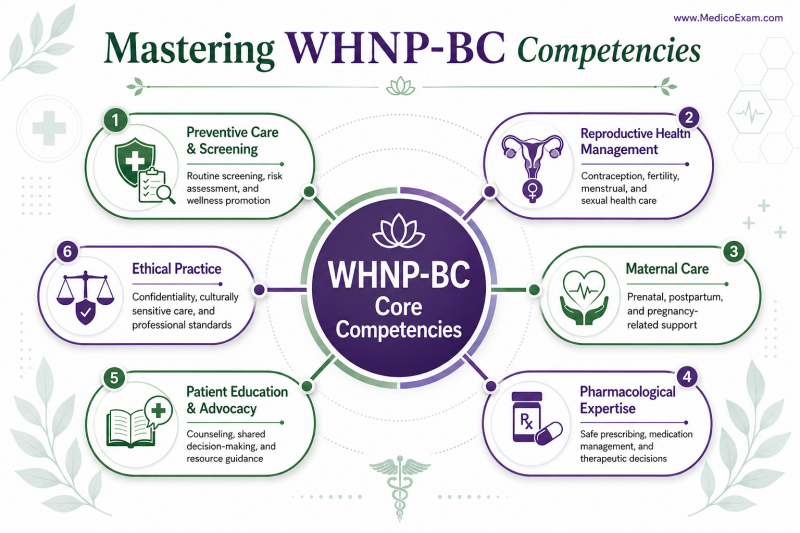
Maintaining the NCC WHNP-BC certification is as important as earning it, demonstrating a continuous commitment to professional growth and up-to-date practice. Certification renewal requirements ensure that Women's Health Care Nurse Practitioners remain current with evolving healthcare standards, research, and best practices, thereby upholding the integrity of the credential.
The NCC WHNP-BC certification renewal requirements are designed to promote ongoing professional development and competence. Typically, renewal occurs every three years and involves earning a certain number of continuing education (CE) credits directly relevant to the Women's Health Care Nurse Practitioner role. These credits must be obtained through approved activities, which may include:
-
Continuing Education Modules: Completing accredited CE courses, webinars, or conferences that focus on women's health topics, pharmacology, or professional practice issues.
-
Professional Activities: Engaging in activities such as precepting students, publishing articles, giving presentations, or participating in professional committees can also count towards renewal credits.
-
Practice Hours: Maintaining a minimum number of practice hours as a WHNP-BC is often a component of the renewal process, ensuring active engagement in the specialty.
-
Assessment: Some renewal cycles may require successful completion of a continuing competency assessment or specialty examination to validate current knowledge.
Proactive tracking of CE activities throughout the three-year cycle is essential to ensure all requirements are met before the renewal deadline.
Conclusion: The Enduring Impact of NCC WHNP-BC
The NCC WHNP-BC certification is more than just a credential; it is a testament to a Women's Health Care Nurse Practitioner's advanced capabilities, specialized knowledge, and unwavering dedication to providing exceptional care. It equips professionals with the confidence and recognition needed to excel in a dynamic healthcare environment, fostering leadership and promoting superior patient outcomes. Achieving this certification marks a significant milestone, opening doors to advanced opportunities and solidifying one's expert standing in the vital field of women's health.
For nurse practitioners ready to make a profound impact in women's healthcare, pursuing the NCC WHNP-BC certification is an investment in professional excellence and career longevity. Begin your journey today by exploring comprehensive study resources and practice questions to enhance your NCC WHNP-BC preparation. Embrace the opportunity to differentiate yourself and become an indispensable asset in the healthcare community.
Frequently Asked Questions
1. What is the NCC WHNP-BC certification?
The NCC WHNP-BC (Women's Health Care Nurse Practitioner-Board Certified) is a national certification that validates the advanced clinical knowledge and specialized skills of nurse practitioners providing comprehensive healthcare to women across their lifespan.
2. Who should pursue the NCC WHNP-BC credential?
Nurse practitioners who have completed an accredited graduate program focusing on women's health and who aspire to demonstrate specialized expertise, enhance their career prospects, and deliver high-quality, evidence-based care in women's health should pursue this credential.
3. What are the primary benefits of holding the NCC WHNP-BC certification?
Key benefits include increased professional credibility, expanded career opportunities, potential for higher earning potential, demonstration of a commitment to excellence, and the ability to provide enhanced patient care in the women's health specialty.
4. How often must the NCC WHNP-BC certification be renewed?
The NCC WHNP-BC certification typically requires renewal every three years. This process involves fulfilling continuing education (CE) requirements, maintaining active practice hours, and potentially completing a competency assessment to ensure ongoing proficiency.
5. What study materials are recommended for the NCC WHNP-BC exam?
Recommended study materials often include specialized textbooks, official NCC study guides, comprehensive review courses, current clinical guidelines for women's health, and ample practice questions that simulate the exam environment.
- NCC WHNP-BC Question Bank |
- NCC WHNP-BC Eligibility & Requirements |
- NCC Women's Health Care Nurse Practitioner Practice Test |
- NCC WHNP-BC Exam Cost |
- NCC WHNP-BC Registration Process |
- NCC Women's Health Care Nurse Practitioner Study Guide |
- NCC WHNP-BC Recertification |
- NCC WHNP-BC Certification Overview |
- NCC Women's Health Care Nurse Practitioner Syllabus |
- NCC WHNP-BC Preparation Time |
- NCC WHNP-BC Passing Score |
- NCC WHNP-BC Exam Format |
- NCC Women's Health Care Nurse Practitioner Sample Questions |
- NCC WHNP-BC Career Opportunities |
- NCC WHNP-BC Exam Difficulty


