
Is a PMHNP-BC a Doctor? The Full Truth
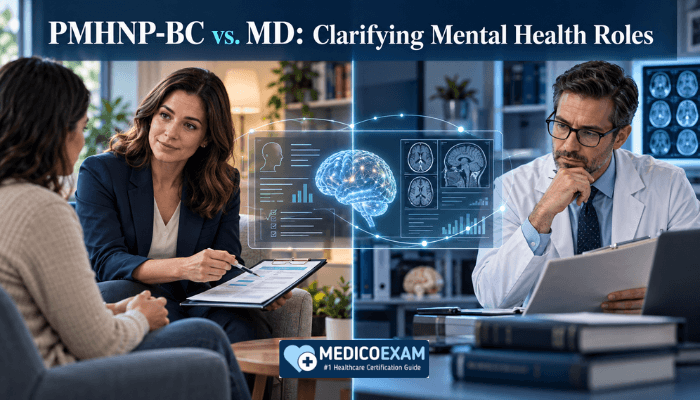
A Psychiatric-Mental Health Nurse Practitioner, Board Certified (PMHNP-BC), stands as a highly skilled and essential professional in the mental healthcare landscape. This advanced practice registered nurse (APRN) holds significant responsibilities, including diagnosing, treating, and managing psychiatric disorders across the lifespan. The fundamental question, "Is a PMHNP-BC a doctor?" arises frequently, often due to the comprehensive nature of their clinical duties and prescriptive authority. This article aims to definitively clarify the PMHNP-BC role, distinguishing it from that of a medical doctor, outlining their extensive training, scope of practice, and the rigorous ANCC certification process (PMHNP-BC) that validates their expertise. Understanding this distinction is crucial for both healthcare professionals and individuals seeking mental health services.
Understanding the PMHNP-BC Role and Its Contributions
A Psychiatric-Mental Health Nurse Practitioner, Board Certified (PMHNP-BC), is an advanced practice registered nurse. PMHNP-BCs complete specialized graduate education in psychiatric-mental health care. This education is typically at the master's or doctoral level. The certification is awarded by the American Nurses Credentialing Center (ANCC). It demonstrates advanced clinical knowledge and adherence to professional standards. PMHNP-BCs provide holistic care to individuals, families, and communities. They address mental health needs across the lifespan. Their role can help expand access to quality mental healthcare. This is especially important in underserved areas. PMHNP-BCs provide both pharmacological and non-pharmacological interventions. They use these approaches to support the mental health needs of their patients.
The core of the PMHNP-BC role involves several key responsibilities:
-
Assessment: Conducting comprehensive psychiatric evaluations, including mental status exams, psychosocial histories, and risk assessments.
-
Diagnosis: Formulating accurate psychiatric diagnoses based on clinical findings and diagnostic criteria.
-
Treatment Planning: Developing individualized treatment plans that integrate evidence-based pharmacological and therapeutic interventions.
-
Medication Management: Prescribing and monitoring psychotropic medications, adjusting dosages, and managing side effects.
-
Psychotherapy: Providing various forms of individual, group, and family psychotherapy.
-
Consultation: Collaborating with other healthcare professionals, agencies, and community resources to ensure coordinated care.
-
Patient Education: Educating patients and their families about mental health conditions, treatment options, and self-management strategies.
Educational Pathway to Becoming a Psychiatric-Mental Health Nurse Practitioner
The journey to becoming a PMHNP-BC is rigorous and demands a substantial commitment to advanced education and clinical training. Prospective PMHNPs must first obtain a Bachelor of Science in Nursing (BSN) and become a licensed Registered Nurse (RN). Following this, they pursue graduate-level education, typically a Master of Science in Nursing (MSN) or a Doctor of Nursing Practice (DNP), with a specialization in psychiatric-mental health. These programs are designed to provide an in-depth understanding of advanced nursing practice, psychopathology, psychopharmacology, and various therapeutic modalities.
The academic curriculum for an aspiring PMHNP-BC covers a broad spectrum of subjects essential for comprehensive mental healthcare delivery. This advanced coursework builds upon foundational nursing knowledge to develop expert-level clinical skills. Key areas of study include:
-
Advanced Pathophysiology: Understanding the biological basis of mental illness and the body's response to disease.
-
Advanced Pharmacology: In-depth knowledge of psychotropic medications, their mechanisms of action, pharmacokinetics, and pharmacodynamics.
-
Advanced Physical Assessment: Refining skills to conduct comprehensive physical and mental health assessments.
-
Diagnostic Reasoning: Developing critical thinking abilities to accurately diagnose complex mental health conditions.
-
Clinical Practicum: Extensive supervised clinical hours in diverse psychiatric settings, applying theoretical knowledge to real-world patient care.
This intensive educational foundation ensures that PMHNP-BCs are equipped with the scientific knowledge and clinical expertise required to provide high-quality mental health services. Those interested in the detailed curriculum and requirements often explore specialized PMHNP certification training resources to gain a full understanding of the academic demands.
PMHNP-BC vs. Psychiatrist: Clarifying the Doctor Question
The core question, "Is PMHNP-BC a doctor?" highlights a common area of confusion regarding titles and roles in healthcare. A PMHNP-BC is not a medical doctor (MD). Psychiatrists are medical doctors who have completed medical school (MD or DO degree) followed by a specialized residency in psychiatry. This pathway involves a different educational paradigm rooted in the medical model, focusing on disease diagnosis and treatment from a physician's perspective. While both PMHNP-BCs and psychiatrists diagnose mental health conditions, prescribe medication, and provide therapy, their educational backgrounds and licensure differ significantly.
Here's a breakdown of the key distinctions:
-
Educational Background:
-
Psychiatrist (MD/DO): Completes 4 years of undergraduate study, 4 years of medical school, and 4 years of psychiatric residency (totaling 12+ years post-high school).
-
PMHNP-BC (APRN): Completes 4 years of undergraduate nursing, followed by 2-4 years for an MSN or DNP in psychiatric-mental health (totaling 6-8+ years post-high school).
-
-
Licensure:
-
Psychiatrist: Licensed as a physician by a state medical board.
-
PMHNP-BC: Licensed as a Registered Nurse (RN) and an Advanced Practice Registered Nurse (APRN) by a state board of nursing.
-
-
Approach to Care:
-
Psychiatrist: Primarily follows a medical model, often emphasizing biological aspects of mental illness and medical interventions.
-
PMHNP-BC: Employs a holistic, patient-centered, and nursing model of care, integrating biological, psychological, and social factors.
-
Although their titles and educational paths diverge, both PMHNP-BCs and psychiatrists are highly valued providers critical to comprehensive mental healthcare teams. The ANCC provides extensive information on the specific scope of practice for PMHNPs through their official ANCC resources, detailing their unique contributions.
Clinical Responsibilities and Practice Scope for PMHNP-BCs
The scope of practice for a PMHNP-BC is broad and comprehensive, encompassing the full spectrum of psychiatric-mental health services required by diverse populations. These advanced practice nurses function with varying degrees of autonomy depending on state regulations, but their core competencies remain consistent. They are authorized to independently assess, diagnose, and treat mental health disorders, often serving as primary mental health providers for their patients. This extensive practice scope allows them to manage complex cases and contribute significantly to improving patient outcomes.
Key areas within the clinical practice of a PMHNP-BC include:
-
Diagnostic Services: Performing thorough psychiatric interviews, evaluating mental status, and using standardized assessment tools to arrive at accurate diagnoses according to DSM-5 criteria.
-
Pharmacological Interventions: Prescribing psychotropic medications, including antidepressants, anxiolytics, mood stabilizers, and antipsychotics. This involves careful monitoring for efficacy, side effects, and drug interactions, with adjustments based on patient response.
-
Therapeutic Modalities: Delivering various forms of psychotherapy, such as cognitive-behavioral therapy (CBT), dialectical behavior therapy (DBT) skills, psychodynamic therapy, and supportive therapy. These interventions help patients develop coping strategies, manage symptoms, and improve overall well-being.
-
Crisis Intervention: Providing immediate care and support during acute psychiatric crises, including suicide risk assessment and management, and facilitating appropriate levels of care.
-
Health Promotion and Prevention: Focusing on preventative strategies and promoting mental wellness through education on stress management, healthy lifestyle choices, and early symptom recognition.
-
Consultation and Collaboration: Working closely with primary care providers, specialists, social workers, and other healthcare team members to ensure integrated and holistic patient care.
This robust set of responsibilities highlights the PMHNP-BC's crucial role in providing accessible and high-quality mental health services, often acting as the first point of contact for individuals seeking specialized care.
Navigating the ANCC PMHNP-BC Certification Process
Attaining the ANCC PMHNP-BC certification is a pivotal step that formally recognizes an individual's expertise and qualifications in psychiatric-mental health nursing. This credential signifies that the nurse practitioner has met rigorous national standards for knowledge, skills, and abilities required for advanced practice. The ANCC (American Nurses Credentialing Center) is a leading body in nurse credentialing, ensuring that certified professionals are prepared to deliver safe and effective patient care. The certification process involves meeting educational prerequisites, accumulating sufficient clinical hours, and successfully passing a comprehensive examination.
The journey to ANCC PMHNP-BC certification typically involves these critical components:
-
Educational Requirements: Completion of an accredited graduate-level psychiatric-mental health nurse practitioner program (MSN or DNP).
-
Clinical Hours: Documentation of a minimum number of supervised clinical hours, typically varying by program, but consistently substantial, focusing on direct patient care in psychiatric-mental health settings.
-
Application Submission: Submitting a formal application to the ANCC, including academic transcripts, verification of licensure, and attestation of clinical hours.
-
Eligibility Approval: Once the application is reviewed and approved, candidates receive authorization to test.
-
Examination: Successfully passing the ANCC PMHNP-BC certification examination, which evaluates the candidate's knowledge across key domains of practice.
The certification is a testament to the practitioner's dedication and competence, offering both professional validation and ensuring public confidence in their abilities. For a more detailed guide on exam preparation and FAQs, candidates can consult a comprehensive preparation guide to navigate this crucial credentialing step effectively.
Examining the ANCC PMHNP-BC Credentialing Examination
The ANCC Psychiatric-Mental Health Nurse Practitioner (Across the Lifespan) Certification exam, designated by the code PMHNP-BC, is a critical assessment for aspiring certified professionals. This examination evaluates a candidate's mastery of the essential knowledge and competencies required to practice safely and effectively as a PMHNP. The test is meticulously designed to cover the breadth of the role, ensuring that only qualified individuals earn the prestigious PMHNP-BC credential. Understanding the structure and administrative details of this exam is crucial for effective preparation.
Key details of the ANCC PMHNP-BC certification exam include:
-
Exam Name: ANCC Psychiatric-Mental Health Nurse Practitioner (Across the Lifespan) Certification
-
Exam Code: PMHNP-BC
-
Duration: 210 minutes
-
Number of Questions: 175 total questions (150 scored items / 25 pretest items). The pretest items are indistinguishable from scored items and do not affect the candidate's score.
-
Passing Score: A scaled score of 350 out of 500 is required to pass. Scores are reported on a scale of 0-500, with raw scores converted to ensure fairness across different exam forms.
-
Exam Price: Non-member - $395, Members - $295
This comprehensive structure ensures that candidates are thoroughly tested on their ability to apply advanced theoretical knowledge to practical clinical scenarios. Success on this exam demonstrates readiness to perform the demanding duties of a PMHNP-BC.
Core Knowledge Domains Validated by the PMHNP-BC Exam
The ANCC PMHNP-BC examination is structured around several critical content domains, each representing a distinct area of knowledge and skill essential for competent practice. These domains collectively ensure that certified PMHNP-BCs possess a well-rounded understanding of psychiatric-mental health care, from foundational sciences to advanced clinical interventions and ethical considerations. A balanced mastery across these areas is necessary for effectively managing patient care and succeeding on the certification exam.
The examination covers the following key syllabus topics and their respective weightages:
-
Scientific Foundation - 22%: This domain assesses knowledge of neuroanatomy, neurophysiology, psychoneuroimmunology, genetics, and advanced pharmacology as they relate to mental health. It also includes theories of human development and advanced health assessment techniques.
-
Advanced Practice Skills - 27%: Focuses on the application of advanced assessment, diagnostic reasoning, critical thinking, and communication skills. It also encompasses screening, risk assessment, crisis intervention, and interprofessional collaboration.
-
Diagnosis and Treatment - 22%: Covers the comprehensive process of diagnosing psychiatric disorders based on criteria (e.g., DSM-5), developing individualized treatment plans, and managing various psychotropic medications for diverse populations and conditions.
-
Psychotherapy and Related Theories - 11%: Examines knowledge of various therapeutic modalities, including individual, group, and family psychotherapies (e.g., CBT, DBT, psychodynamic), and their application in different clinical contexts.
-
Ethics, Legal Principles, and Cultural Care - 17%: Addresses professional ethics, legal considerations in mental health practice, patient rights, confidentiality, mandated reporting, and the provision of culturally sensitive and competent care.
Candidates should focus their study efforts on understanding each domain thoroughly. They should cover all key areas of the exam. A well-rounded approach can strengthen their overall preparation. It also helps candidates build the knowledge needed for certification.
Professional Impact of PMHNP-BCs in Mental Health Services
PMHNP-BCs exert a significant and growing influence on the landscape of mental health services, fundamentally transforming how care is delivered and accessed. Their comprehensive training enables them to address critical gaps in mental healthcare, particularly in rural or underserved communities where access to psychiatrists may be limited. By providing a wide array of services—from diagnosis and medication management to psychotherapy—PMHNP-BCs improve patient outcomes and enhance the overall efficiency of mental healthcare systems. Their patient-centered approach fosters trust and promotes long-term engagement in treatment.
The impact of PMHNP-BCs can be seen in several crucial areas:
-
Increased Access to Care: PMHNP-BCs expand the workforce of qualified mental health providers, making it easier for individuals to receive timely and effective treatment. This is especially vital in addressing the widespread shortage of mental health professionals.
-
Integrated Care Models: They often work collaboratively with primary care physicians, integrating mental health services into general healthcare settings, which leads to earlier detection and treatment of mental health conditions.
-
Holistic Treatment: Their nursing background emphasizes a holistic approach, considering not just the mental illness but also the patient's physical health, social determinants of health, and overall well-being.
-
Cost-Effectiveness: PMHNP-BCs provide high-quality care at a potentially lower cost than physicians, contributing to more sustainable healthcare systems.
-
Advocacy and Education: Many PMHNP-BCs engage in advocacy for mental health policy reform and provide vital education to patients, families, and communities, reducing stigma and promoting mental wellness.
Through these contributions, PMHNP-BCs are instrumental in creating a more accessible, equitable, and effective mental healthcare system for all.
Enhancing Career Trajectories as a Certified PMHNP-BC
The PMHNP-BC credential can support career growth for nurse practitioners. It can open doors to various professional opportunities. It may also provide access to advanced leadership roles. The certification demonstrates specialized knowledge and professional expertise. Certified professionals can work in a variety of clinical settings. Their skills may also be valuable in different healthcare environments. PMHNP-BCs can pursue careers beyond direct patient care. They may work in education, administration, research, or policy development. Their clinical experience and advanced training can support these career paths. The credential can also contribute to professional recognition. It may support greater autonomy in practice. It can also create opportunities for career and financial growth.
Career advantages and pathways for PMHNP-BCs include:
-
Diverse Practice Settings: Opportunities in inpatient psychiatric hospitals, outpatient clinics, community mental health centers, private practices, correctional facilities, substance abuse treatment centers, and integrated primary care settings.
-
Increased Autonomy: In many states, PMHNP-BCs have full practice authority, allowing them to assess, diagnose, treat, and prescribe independently.
-
Leadership Roles: Positions such as clinical directors, program managers, or lead nurse practitioners, overseeing teams and developing new services.
-
Academic and Research Positions: Teaching in nursing programs, precepting students, or conducting research to advance the field of psychiatric-mental health nursing.
-
Consultation and Advocacy: Serving as consultants to healthcare organizations or participating in policy-making to influence mental health legislation and standards.
-
Private Practice: The ability to establish and manage independent private practices, offering specialized mental health services to the community.
The PMHNP-BC credential prepares professionals to provide high-quality patient care. It also enables them to contribute to the future of mental healthcare. Professionals can help improve how mental health services are delivered.
Upholding Ethical Standards and Legal Compliance for PMHNP-BCs
The practice of a PMHNP-BC is closely connected to strong ethical and legal standards. These standards help protect patients and support responsible care. Following these guidelines is especially important in mental health care. Patients may be vulnerable and require sensitive treatment. PMHNP-BCs must maintain professional boundaries. They should respect patient autonomy and protect confidentiality. They must also practice within their defined scope of practice. At the same time, they need to follow relevant legal requirements. Understanding these ethical and legal principles is essential. Consistently following them helps maintain public trust. It also supports safe and professional patient care.
Key ethical and legal considerations for PMHNP-BCs include:
-
Confidentiality and Privacy: Strict adherence to HIPAA (Health Insurance Portability and Accountability Act) regulations and professional ethics regarding patient information.
-
Informed Consent: Ensuring patients fully understand their diagnosis, treatment options, risks, benefits, and alternatives before consenting to care.
-
Patient Rights: Protecting patient rights, including the right to refuse treatment (within legal limits), the right to self-determination, and the right to humane care.
-
Scope of Practice: Practicing only within the legal and ethical boundaries of the PMHNP-BC license and competence, avoiding any unauthorized or unethical actions.
-
Mandated Reporting: Fulfilling legal obligations to report suspected child abuse, elder abuse, or threats of harm to self or others.
-
Professional Boundaries: Maintaining appropriate therapeutic relationships and avoiding dual relationships that could compromise patient care or exploit vulnerabilities.
-
Cultural Competence: Providing care that is sensitive to and respectful of patients' diverse cultural, religious, and socioeconomic backgrounds, avoiding bias and promoting inclusivity.
PMHNP-BCs must remain continually informed about evolving ethical guidelines and legal requirements to ensure their practice is always compliant and patient-centered. Further details on professional conduct and certification policies are often available through official certification policies from the ANCC.
Effective Strategies for ANCC PMHNP-BC Exam Preparation
Preparing for the ANCC PMHNP-BC certification exam requires a focused and systematic approach. Candidates must master a wide range of topics. Effective preparation involves more than rote memorization. It requires a deep understanding of advanced concepts and their clinical applications. Candidates should develop a structured study plan. They should use a variety of study resources and practice consistently. These steps help build confidence and reinforce learning. A strategic approach can improve exam readiness. It also strengthens the knowledge needed for competent clinical practice.
Consider these strategies for effective exam preparation:
-
Review Core Content: Systematically go through each domain listed in the syllabus. Utilize advanced practice nursing textbooks, review courses, and evidence-based clinical guidelines. Focus on understanding the "why" behind concepts, not just the "what."
-
Practice Questions: Engage with a large volume of practice questions from reputable sources. This helps to familiarize yourself with the exam format, question styles, and time management. Analyze incorrect answers to identify knowledge gaps.
-
Create a Study Schedule: Develop a realistic study plan that allocates dedicated time to each content area. Break down complex topics into manageable segments and schedule regular review sessions. Consistency is key.
-
Utilize Study Groups: Collaborate with peers to discuss challenging concepts, share insights, and quiz each other. Teaching others can solidify your own understanding.
-
Simulate Exam Conditions: Take full-length practice exams under timed conditions to mimic the actual test environment. This helps to reduce anxiety and improve endurance for the 210-minute duration.
-
Prioritize Self-Care: Ensure adequate sleep, nutrition, and stress management throughout your preparation period. Burnout can severely impact performance.
Use official and reputable study materials to prepare for the certification exam. Avoid exam dumps and unethical shortcuts, as they compromise certification integrity. They also fail to build the knowledge needed for safe and effective patient care.
Conclusion
The question "Is a PMHNP-BC a doctor?" is met with a clear answer: no, a PMHNP-BC is an advanced practice registered nurse, not a medical doctor. However, this distinction does not diminish their profound and critical role in mental healthcare. PMHNP-BCs undergo extensive graduate-level education and clinical training, culminating in rigorous ANCC certification, equipping them to diagnose, treat, and manage complex psychiatric conditions with a holistic, patient-centered approach. They stand as indispensable providers, bridging gaps in care, and delivering high-quality, comprehensive mental health services across the lifespan.
Their distinct educational pathway and nursing philosophy contribute uniquely to integrated healthcare teams, ensuring that patients receive diverse perspectives and a broad spectrum of evidence-based care. The PMHNP-BC credential reflects a high standard of competence and dedication to improving mental health outcomes for individuals and communities.
To deepen your understanding of the ANCC PMHNP-BC certification and to effectively prepare for this impactful career path, explore comprehensive resources and study materials. For those ready to advance their expertise, learn more about the PMHNP-BC certification program and access valuable preparation tools designed to support your journey.
Frequently Asked Questions
1. What is the primary difference between a PMHNP-BC and a psychiatrist?
A PMHNP-BC is an Advanced Practice Registered Nurse (APRN) with graduate-level education in psychiatric-mental health, while a psychiatrist is a medical doctor (MD or DO) who has completed medical school and a psychiatric residency. Both diagnose and treat mental health conditions, but their educational paths and foundational training models differ significantly.
2. Can a PMHNP-BC prescribe medication?
Yes, a PMHNP-BC has prescriptive authority for psychotropic medications. The extent of this authority (e.g., independent practice vs. collaborative agreement) varies by state regulations, but generally, PMHNP-BCs manage medication as a core part of their treatment plans.
3. What kind of education is required to become a PMHNP-BC?
To become a PMHNP-BC, individuals must first be licensed Registered Nurses (RNs). They must then complete an accredited graduate program, such as a Master of Science in Nursing (MSN) or Doctor of Nursing Practice (DNP). The program must specialize in psychiatric-mental health nursing.
4. What is the ANCC PMHNP-BC certification?
The ANCC PMHNP-BC certification is a national credential awarded by the American Nurses Credentialing Center. It validates that an Advanced Practice Registered Nurse has met rigorous standards of knowledge, skills, and abilities in psychiatric-mental health nursing across the lifespan through a comprehensive examination.
5. What services do PMHNP-BCs provide?
PMHNP-BCs provide psychiatric assessments, diagnose mental health disorders, and manage medications. They offer individual, group, and family psychotherapy, along with crisis intervention and patient education. They also collaborate with other healthcare professionals to ensure coordinated patient care.
- ANCC Psychiatric-Mental Health Nurse Practitioner Practice Test |
- ANCC PMHNP-BC Question Bank |
- ANCC PMHNP-BC Exam Cost |
- ANCC PMHNP-BC Registration Process |
- ANCC Psychiatric-Mental Health Nurse Practitioner Study Guide |
- ANCC PMHNP-BC Recertification |
- ANCC PMHNP-BC Certification Overview |
- ANCC Psychiatric-Mental Health Nurse Practitioner Syllabus |
- ANCC PMHNP-BC Preparation Time |
- ANCC PMHNP-BC Passing Score |
- ANCC PMHNP-BC Exam Format |
- ANCC Psychiatric-Mental Health Nurse Practitioner Sample Questions |
- ANCC PMHNP-BC Career Opportunities |
- ANCC PMHNP-BC Eligibility %26 Requirements


