
The Unseen ANCC PED-BC Study Hacks Top Nurses Use

The ANCC Pediatric Nursing Certification (PED-BC) signifies a commitment to excellence in specialized pediatric care, validating the advanced knowledge and clinical expertise of registered nurses. This credential is designed for experienced nurses dedicated to improving outcomes for children across various healthcare settings. This comprehensive article delves into the core aspects of the ANCC PED-BC exam, explores its value to a pediatric nursing career, and uncovers sophisticated study strategies employed by top nurses to successfully achieve this esteemed certification. Our aim is to provide practical, efficient guidance to help you navigate your preparation journey with confidence and strategic insight.
Validating Pediatric Expertise with ANCC PED-BC
Achieving the ANCC Pediatric Nursing Certification (PED-BC) establishes a nurse's specialized competency and deep understanding of pediatric care principles. This certification is crucial for nurses who wish to demonstrate their mastery of the unique challenges and responsibilities inherent in caring for infants, children, and adolescents. It confirms a nurse's ability to apply advanced clinical judgment and evidence-based practices in the pediatric setting, enhancing patient safety and quality of care. The PED-BC credential is highly respected by healthcare institutions, often linked to improved career opportunities and professional recognition.
Examining the ANCC PED-BC Certification Structure
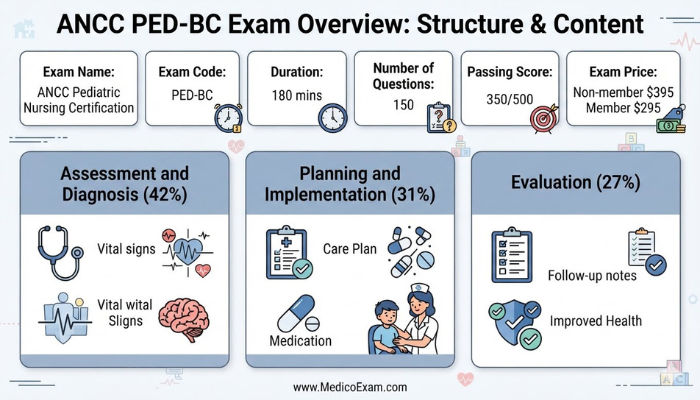
Understanding the examination's framework is fundamental to effective preparation for the ANCC PED-BC. The exam is meticulously designed to assess a broad spectrum of competencies critical for advanced pediatric nursing practice. Aspiring candidates should familiarize themselves with the logistical and scoring details to create a focused study plan.
The key details regarding the exam format are as follows:
-
Exam Name: ANCC Pediatric Nursing Certification
-
Exam Code: PED-BC
-
Duration: Candidates are allotted 180 minutes to complete the examination.
-
Number of Questions: The exam comprises 150 questions.
-
Passing Score: A scaled score of 350 out of 500 is required to pass.
-
Exam Price: The cost varies, with non-members paying $395 and ANCC members benefiting from a reduced fee of $295.
These structured details provide a clear roadmap for candidates to mentally prepare for the testing environment and manage their time effectively during the exam.
Navigating Eligibility Requirements for Pediatric Nursing Certification
Before embarking on the ANCC PED-BC preparation journey, candidates must confirm they meet the specific eligibility criteria set forth by the American Nurses Credentialing Center (ANCC). Meeting these requirements is a non-negotiable first step, ensuring that only qualified and experienced pediatric nurses attempt the certification. It underscores the ANCC's commitment to maintaining the credential's rigor and credibility.
Core Eligibility Criteria
The ANCC outlines clear prerequisites for the PED-BC certification, generally encompassing education, licensure, and clinical practice experience. While specific details should always be verified on the official ANCC certification site, typical requirements include:
-
Current RN Licensure: An active, unrestricted registered nurse license in the United States or its territories is universally required. This ensures the candidate is legally permitted to practice nursing.
-
Educational Background: A baccalaureate or graduate degree in nursing from an accredited program is commonly a prerequisite. This academic foundation provides the theoretical knowledge base necessary for advanced practice.
-
Clinical Practice Hours: A specific number of hours in direct clinical practice as a registered nurse in a pediatric setting is essential. This hands-on experience ensures practical application of knowledge and development of clinical judgment.
-
Continuing Education: A certain number of continuing education hours related to pediatric nursing may also be required within a specified timeframe prior to application.
Understanding and meticulously fulfilling these requirements prevents application delays and ensures a smooth transition into the examination phase. It's advisable to gather all necessary documentation well in advance of the application deadline.
Deciphering the ANCC PED-BC Exam Content Domains
The ANCC PED-BC exam covers a defined set of content domains, each weighted to reflect its importance in contemporary pediatric nursing practice. A detailed understanding of these areas and their proportional representation is vital for allocating study time effectively. By focusing on the higher-weighted domains, nurses can optimize their preparation and deepen their knowledge where it matters most for the exam and for practice. For a complete understanding of the content, candidates can refer to the comprehensive exam content outline provided by ANCC.
The exam content is structured around the following key areas:
-
Assessment and Diagnosis - 42%: This domain focuses on the nurse’s ability to collect comprehensive data, interpret findings, and formulate appropriate nursing diagnoses for pediatric patients across various developmental stages and health conditions. This includes physical assessment, psychosocial assessment, developmental screening, and recognizing deviations from normal.
-
Planning and Implementation - 31%: This section evaluates the nurse's competence in developing individualized plans of care, prioritizing interventions, and executing evidence-based nursing actions. It encompasses medication administration, procedural skills, patient education, coordination of care, and advocacy within the pediatric context.
-
Evaluation - 27%: The evaluation domain assesses the nurse's skill in monitoring patient responses to interventions, revising care plans as needed, and determining the effectiveness of nursing care in achieving desired outcomes. This involves continuous reassessment, documentation of progress, and collaboration with the interdisciplinary team.
Strategic study should reflect these percentages, dedicating more time and resources to the most heavily weighted domains.
Strategic Study Methodologies for ANCC PED-BC Success
Top nurses approach the ANCC PED-BC exam not just with hard work, but with highly refined study methodologies that maximize efficiency and retention. These strategies extend beyond mere content review, integrating active learning, critical thinking, and disciplined self-assessment to build true mastery. A structured and adaptable approach is key to converting vast amounts of information into examinable knowledge.
Building a Robust Study Blueprint
Creating a personalized study blueprint is the cornerstone of efficient ANCC PED-BC preparation. This involves more than just listing topics; it requires strategic planning based on the exam's content outline and an honest assessment of your own strengths and weaknesses.
-
Personalized Assessment: Begin by taking a diagnostic test or reviewing practice questions to identify areas where your knowledge is strongest and weakest. This initial assessment will guide your focus, preventing wasted time on already mastered topics.
-
Content Mapping: Align your study schedule directly with the ANCC PED-BC syllabus topics and their respective weights. Dedicate proportional time to each domain, prioritizing "Assessment and Diagnosis" due to its higher percentage.
-
Scheduled Review Sessions: Integrate regular, shorter review sessions rather than sporadic, lengthy ones. Consistent exposure to material over time aids long-term memory consolidation, especially for complex pediatric concepts.
-
Resource Integration: Plan which study materials you will use for each section. This could include official ANCC resources, comprehensive review books, and online question banks. Ensure a balance of reading, active recall, and practice questions.
This blueprint acts as your personalized guide, allowing for flexible adjustments as your knowledge evolves and new areas of focus emerge.
Optimizing Your Learning Environment
The physical and mental conditions under which you study significantly impact retention and comprehension. Top nurses create an environment conducive to deep learning, free from distractions and supportive of sustained focus.
-
Designated Study Space: Establish a consistent study area that is quiet, well-lit, and organized. This helps train your brain to associate the space with focused work, making it easier to enter a productive state.
-
Minimize Distractions: Implement strategies to reduce interruptions, such as turning off phone notifications, closing unnecessary browser tabs, and informing family/housemates of your dedicated study times.
-
Comfort and Ergonomics: Ensure your study space is comfortable and ergonomic to prevent physical discomfort that can lead to fatigue and reduced concentration. Good posture and appropriate lighting are crucial.
-
Regular Breaks: Incorporate short, scheduled breaks into your study sessions. The Pomodoro Technique (25 minutes of work, 5 minutes of break) or similar methods can refresh your mind and prevent burnout, ultimately improving your efficiency.
A well-optimized learning environment fosters mental clarity and enhances the effectiveness of every study hour.
Leveraging Practice Questions Effectively
Engaging with practice questions is arguably the most critical component of ANCC PED-BC exam preparation. It's not just about getting the right answer, but understanding the rationale behind both correct and incorrect choices, and learning to think like the exam writers.
-
Timed Practice Sessions: Simulate exam conditions by taking full-length practice tests under timed constraints. This builds endurance, helps with time management, and reduces test-day anxiety.
-
Detailed Answer Review: After completing practice questions, meticulously review every answer, especially those you got wrong or guessed. Understand why the correct answer is correct and why your chosen answer (or other distractors) is incorrect.
-
Identify Knowledge Gaps: Use your performance on practice questions to pinpoint specific content areas where your understanding is weak. This informs further targeted study and refinement of your study blueprint.
-
Question Style Familiarity: Become accustomed to the types of questions ANCC typically asks, including scenario-based questions, critical thinking challenges, and recall-based items. This familiarity builds confidence and reduces surprises on exam day.
High-quality pediatric nursing certification study materials and practice questions are invaluable for this phase of preparation.
Maximizing Your ANCC PED-BC Preparation Resources
The landscape of study resources for the ANCC PED-BC is diverse, offering a range of options from official ANCC publications to independent review courses and peer support networks. Navigating these choices strategically is vital for a comprehensive and efficient preparation process. Top nurses judiciously select and integrate various resources to create a multi-faceted learning experience, ensuring all learning styles and content areas are addressed.
Official ANCC Study Materials
The American Nurses Credentialing Center provides resources specifically tailored to their examinations, offering the most authoritative and reliable content. These materials are directly aligned with the exam content outline and are indispensable for preparation.
-
Content Outline: The detailed test content outline serves as the definitive guide to what will be covered on the exam. It should be the foundation of any study plan.
-
Reference List: ANCC often provides a list of recommended references. These scholarly works and textbooks are the sources from which exam questions are derived, offering deep dives into each domain.
-
Sample Questions: Official sample questions provide insight into the format, style, and difficulty level of the actual exam. While limited, they are invaluable for familiarizing yourself with the ANCC's approach.
Prioritizing official resources ensures your study is aligned with the latest exam standards and expectations.
Reputable Review Courses
Many nurses find significant value in structured review courses, which offer guided instruction, comprehensive content summaries, and often extensive practice question banks. These courses can be particularly beneficial for those who thrive in a structured learning environment or need a comprehensive overview of the material.
-
Comprehensive Coverage: Look for courses that cover all ANCC PED-BC domains in detail, with instructors who are experts in pediatric nursing.
-
Interactive Learning: Courses offering live sessions, Q&A opportunities, or interactive modules can enhance engagement and allow for direct clarification of complex topics.
-
Practice Question Integration: The best review courses seamlessly integrate practice questions throughout their curriculum, allowing you to test your knowledge immediately after learning new material.
When selecting a review course, consider your learning style, schedule, and budget, ensuring it aligns with your overall study strategy.
Peer Study Groups and Mentorship
Collaborative learning and mentorship are often overlooked yet powerful study hacks. Engaging with peers and experienced pediatric nurses can provide fresh perspectives, accountability, and emotional support.
-
Shared Knowledge: Study groups allow members to explain concepts to one another, which reinforces learning for the explainer and clarifies understanding for the listener. Diverse clinical experiences within a group can also enrich discussions.
-
Accountability and Motivation: Committing to a study group or mentor provides external accountability, helping to maintain motivation and adherence to a study schedule.
-
Emotional Support: The certification journey can be demanding. A supportive network of peers or a mentor can offer encouragement, share coping strategies, and provide a sense of camaraderie.
-
Case Study Discussions: Engaging in case study discussions with peers or a mentor can help translate theoretical knowledge into practical, scenario-based critical thinking, which is crucial for the ANCC PED-BC exam. Seeking out specialized pediatric nursing preparation can significantly enhance your chances of success.
Sustaining Focus and Well-being During ANCC PED-BC Prep
The rigorous demands of preparing for the ANCC PED-BC exam, especially while maintaining a busy clinical schedule, can be physically and mentally taxing. Top nurses recognize that sustained performance relies not just on intellectual effort but also on prioritizing well-being. Integrating self-care practices into the study routine is a critical, often unseen, hack for preventing burnout and maintaining optimal cognitive function.
Mindfulness and Stress Reduction
Stress can impair memory and concentration. Incorporating mindfulness techniques helps to manage anxiety and improve mental clarity, which is invaluable during intensive study periods.
-
Deep Breathing Exercises: Short, controlled breathing exercises can quickly calm the nervous system, making it easier to regain focus when feeling overwhelmed.
-
Short Meditations: Even 5-10 minutes of daily meditation can enhance concentration, reduce stress levels, and improve emotional regulation.
-
Progressive Muscle Relaxation: This technique involves tensing and then relaxing different muscle groups, helping to release physical tension caused by stress.
These practices are not merely breaks; they are active tools for enhancing your brain's capacity to absorb and recall information.
Maintaining Physical Health
Physical well-being directly impacts cognitive function. Neglecting basic health needs can severely hinder study effectiveness and overall energy levels.
-
Adequate Sleep: Prioritize 7-9 hours of quality sleep each night. Sleep is essential for memory consolidation and cognitive rest. Sacrificing sleep for study often leads to diminishing returns.
-
Nutritious Diet: Fuel your brain with a balanced diet rich in whole foods, lean proteins, and healthy fats. Avoid excessive sugar and processed foods that can lead to energy crashes.
-
Regular Exercise: Incorporate physical activity into your routine. Exercise reduces stress, boosts mood, and improves blood flow to the brain, enhancing cognitive function and alertness.
Viewing these as integral parts of your study plan, rather than optional activities, is a hallmark of successful certification candidates.
Reaping the Benefits of ANCC PED-BC Certification
The value of obtaining the ANCC Pediatric Nursing Certification extends far beyond personal achievement; it creates tangible impacts on professional standing, career trajectory, and patient care. This credential signifies a recognized standard of excellence, setting certified nurses apart in a competitive healthcare landscape. Understanding these multifaceted benefits reinforces the motivation to pursue and achieve the ANCC PED-BC.
Enhanced Professional Credibility
Certification immediately elevates a nurse's professional standing, signaling a commitment to advanced knowledge and continuous learning.
-
Employer Recognition: Many healthcare institutions prefer or require certified nurses for specialized roles, viewing the PED-BC as a benchmark of expertise.
-
Peer Respect: Colleagues and physicians often regard certified nurses as leaders and go-to experts in pediatric care, valuing their specialized insights.
-
Public Trust: Patients and their families gain confidence knowing their care is provided by a nurse who has met rigorous national standards of excellence in pediatric nursing.
Career Advancement and Opportunities
Holding the ANCC PED-BC can unlock new career pathways and greater professional growth.
-
Increased Earning Potential: Certified nurses may command higher salaries or be eligible for merit-based raises compared to their non-certified counterparts.
-
Leadership Roles: The certification can open doors to leadership, educator, or specialist positions within pediatric units or departments, such as clinical nurse specialist or nurse manager.
-
Expanded Clinical Influence: Certified nurses are often sought for roles involving policy development, quality improvement initiatives, or specialized program development in pediatric health.
Improved Patient Outcomes
Ultimately, the most significant benefit of the ANCC PED-BC is its positive impact on the quality of patient care.
-
Evidence-Based Practice: The certification process reinforces the importance of evidence-based practice, equipping nurses with the knowledge to implement the most effective and current pediatric interventions.
-
Enhanced Clinical Judgment: Through rigorous study and validation, certified nurses refine their critical thinking and clinical decision-making skills, leading to more accurate assessments and appropriate care plans.
-
Advocacy for Children: With a deeper understanding of pediatric health and development, certified nurses are better equipped to advocate for the unique needs of their young patients and their families.
Ensuring Continued Competence: ANCC PED-BC Renewal
Maintaining ANCC PED-BC certification is as important as earning it, reflecting a sustained commitment to pediatric nursing excellence and lifelong learning. The ANCC requires certificants to engage in ongoing professional development and practice activities to ensure their knowledge and skills remain current. Understanding the renewal process from the outset can help nurses plan their professional activities strategically, avoiding last-minute scrambling and ensuring continuous credentialing.
Key Renewal Requirements
The ANCC's renewal framework is designed to validate continued competence in pediatric nursing. While specific requirements can change, they generally revolve around a combination of professional development, practice hours, and engagement in various learning activities.
-
Practice Hours: A minimum number of clinical practice hours in pediatric nursing, typically over a five-year certification period, must be documented. This ensures ongoing direct patient care experience.
-
Professional Development Activities (PDAs): Certificants must accrue a specified number of professional development units (PDUs) or contact hours. These can be earned through various approved activities, including:
-
Continuing education (CE) courses relevant to pediatric nursing.
-
Academic credits from accredited institutions.
-
Presentations, publications, or research activities.
-
Preceptorship or mentorship of nursing students/colleagues.
-
Professional organization involvement and leadership.
-
-
Re-examination Option: While less common for initial renewal, some certificants may opt to re-take the examination to fulfill renewal requirements, particularly if they have extensive recent study experience.
It is crucial to track professional development activities throughout the certification period to ensure all requirements are met. Proactive planning for advanced pediatric nursing resources and continuing education ensures a seamless renewal process, safeguarding your credential and your expertise.
Achieving the ANCC PED-BC certification is a significant milestone for pediatric nurses, representing a commitment to specialized excellence and continuous professional growth. The "unseen" hacks often involve a blend of strategic planning, optimized learning environments, effective use of practice questions, and a steadfast dedication to personal well-being. By integrating these curated, efficient, and practical methodologies, nurses can transform their preparation from a daunting task into a rewarding journey of mastery.
Your journey toward ANCC Pediatric Nursing Certification is a testament to your dedication to the youngest and most vulnerable patients. Equip yourself with the best tools and strategies. For comprehensive preparation materials, including study guides and practice questions designed to support your success, explore the advanced pediatric nursing resources available at MedicoExam. Start your focused preparation today and unlock your full potential.
Frequently Asked Questions
1. Who is the ANCC PED-BC certification designed for?
The ANCC PED-BC certification is designed for experienced registered nurses who specialize in the care of infants, children, and adolescents. It validates advanced clinical knowledge, skills, and judgment in pediatric nursing across various healthcare settings.
2. What is the format of the ANCC PED-BC exam?
The ANCC PED-BC exam consists of 150 multiple-choice questions, to be completed within a 180-minute duration. Candidates must achieve a scaled score of 350 out of 500 to pass the examination.
3. How much does the ANCC PED-BC exam cost?
The exam price for the ANCC PED-BC certification is $395 for non-members of the ANCC. Members of the ANCC typically receive a discounted rate of $295 for the examination.
4. What are the main content areas covered by the ANCC PED-BC exam?
The ANCC PED-BC exam covers three primary content domains: Assessment and Diagnosis (42%), Planning and Implementation (31%), and Evaluation (27%). These percentages reflect the proportional weighting of topics on the examination.
5. What are the benefits of achieving ANCC Pediatric Nursing Certification?
Achieving ANCC Pediatric Nursing Certification offers numerous benefits, including enhanced professional credibility, increased recognition from employers and peers, potential for career advancement, and improved patient outcomes through validated expertise and adherence to evidence-based practice.
- ANCC PED-BC Question Bank |
- ANCC PED-BC Eligibility & Requirements |
- ANCC Pediatric Nursing Practice Test |
- ANCC PED-BC Exam Cost |
- ANCC PED-BC Registration Process |
- ANCC Pediatric Nursing Study Guide |
- ANCC PED-BC Recertification |
- ANCC PED-BC Certification Overview |
- ANCC Pediatric Nursing Syllabus |
- ANCC PED-BC Preparation Time |
- ANCC PED-BC Passing Score |
- ANCC PED-BC Exam Format |
- ANCC Pediatric Nursing Sample Questions |
- ANCC PED-BC Career Opportunities |
- ANCC PED-BC Exam Difficulty


