
Why Skipping NBRC NPS Certification Is a Mistake
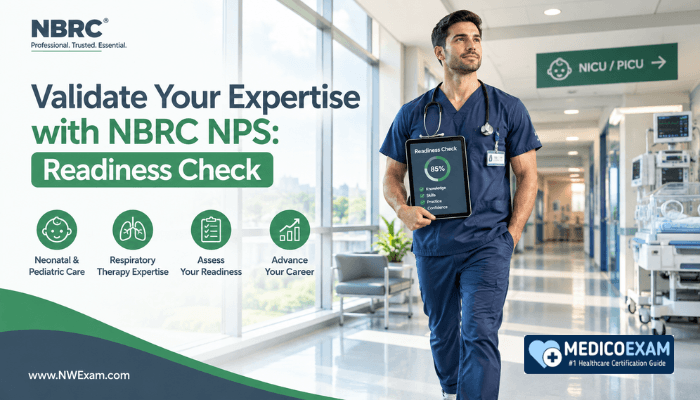
The NBRC Neonatal/Pediatric Specialty (NPS) certification establishes a crucial benchmark for respiratory therapists committed to specialized care for the youngest and most vulnerable patients. This credential, offered by the National Board for Respiratory Care (NBRC), validates advanced competencies essential for practitioners working with neonatal and pediatric populations. Professionals aspiring to elevate their expertise and demonstrate a profound impact in critical care settings should consider the NBRC NPS Certification, which this article will thoroughly explore, covering its structure, benefits, and strategic preparation insights.
Understanding the NBRC NPS Certification's Core Value
Achieving the NBRC NPS Certification demonstrates a respiratory therapist's commitment to excellence. It also reflects a strong understanding of the unique physiological and pathological conditions affecting neonatal and pediatric patients. This specialization goes beyond general respiratory care. It demonstrates expertise in areas where clinical decisions can have significant effects on fragile patients. These areas include ventilator management for small lungs, thermoregulation, and fluid balance. It also covers challenges related to congenital heart defects and prematurity.
The credential demonstrates a practitioner's ability to apply advanced knowledge in high-stakes environments. These settings often include neonatal intensive care units (NICUs) and pediatric intensive care units (PICUs). It also helps professionals contribute effectively to multidisciplinary teams. They can better interpret subtle clinical signs and apply evidence-based practices for this sensitive population. Those seeking NPS exam details and preparation strategies should first understand the value of this certification. Earning this advanced credential reflects a commitment to lifelong learning. It also demonstrates a proactive approach to patient advocacy within the specialty.
Examining the NBRC Neonatal/Pediatric Specialty Assessment Structure
The NBRC NPS examination, carrying the exam code NPS, is designed to rigorously assess a respiratory therapist's specialized knowledge and critical thinking abilities in neonatal and pediatric care. Understanding its structure is fundamental for any candidate preparing for this significant career step. The examination is a comprehensive test, ensuring that certified professionals possess the depth of expertise required for complex clinical scenarios in these specialized areas.
Candidates are allotted a substantial duration of 240 minutes to complete the exam. This generous timeframe allows for careful consideration of each question, reflecting the intricate nature of the clinical judgments being tested. The exam comprises a total of 170 items, meticulously crafted to cover a broad spectrum of neonatal and pediatric respiratory challenges. Out of these, 150 items are scored, directly contributing to the candidate's final performance, while 20 unscored pretest items are included to evaluate their validity for future examinations. To successfully pass, candidates must meet a predetermined passing score, moving beyond a simple percentage to a criterion-referenced assessment that ensures competency. For more detailed information, candidates are encouraged to visit the official NBRC NPS examination page, which provides comprehensive guidelines and resources.
Components of the NPS Examination
The structure aims to cover a wide array of competencies, ensuring that successful candidates are well-rounded experts. The questions are designed to test not just recall but the application of knowledge in clinical contexts, problem-solving, and decision-making relevant to the care of neonates and children. This robust format guarantees that the NBRC NPS Certification salary potential and career benefits are backed by a thoroughly validated skill set.
Navigating the Scoring System
The NBRC utilizes a scaled score methodology rather than a raw percentage for its "Pass / Fail" determination. This means that the difficulty level of different exam forms is accounted for, ensuring fairness across all administrations. A candidate's score is converted to a standard scale, and a predetermined minimum scaled score must be achieved to pass. This approach reinforces the NBRC's commitment to credentialing only those who meet a consistent and high standard of specialized practice.
Mapping the NBRC NPS Content Domains for Success
A thorough understanding of the NBRC NPS content outline is essential for effective preparation. Candidates should also review the NBRC Neonatal Pediatric Specialty exam syllabus. The exam focuses on two primary domains. Each domain has a specific weighting. This structure balances general and specialized critical care competencies. It also ensures that candidates demonstrate knowledge across a wide range of neonatal and pediatric respiratory challenges.
Foundational Shared Competencies
The largest portion of the exam, accounting for 80% of the content, covers competencies shared between critical and general care settings for neonatal or pediatric patients. This extensive section emphasizes the broad knowledge base required for specialized practice. Topics within this domain typically include:
-
Assessment: Comprehensive evaluation techniques for neonatal and pediatric respiratory status, including physical assessment, interpretation of diagnostic tests, and monitoring physiological parameters.
-
Therapeutic Procedures: Application of oxygen therapy, aerosolized medication delivery, airway management techniques (including intubation and tracheostomy care), and chest physiotherapy specifically adapted for young patients.
-
Ventilatory Management: Principles and application of mechanical ventilation, non-invasive ventilation, and high-frequency ventilation for neonates and pediatric patients, including initiation, monitoring, and weaning strategies.
-
Emergency and Life Support: Knowledge of neonatal and pediatric resuscitation guidelines, emergency airway management, and stabilization protocols in acute situations.
-
Patient Education and Communication: Skills in communicating effectively with families and other healthcare providers about treatment plans, patient conditions, and discharge planning.
Mastering these shared competencies creates a strong foundation for specialized care. It prepares professionals to handle more advanced critical care concepts.
Advanced Critical Care Expertise
The remaining 70% of the NBRC NPS exam syllabus is dedicated to competencies specific to critical care of neonatal or pediatric patients. This section delves into the intricate details of managing critically ill young patients, demanding a higher level of analytical and problem-solving skills. Key areas often include:
-
Advanced Ventilatory Strategies: Management of complex ventilatory modes, troubleshooting ventilator malfunctions, and understanding the physiological impact of various settings on critically ill neonates and children.
-
Pharmacology: Knowledge of specific medications used in neonatal and pediatric critical care, including dosages, routes of administration, and potential side effects relevant to respiratory management.
-
Hemodynamic Monitoring: Understanding principles of cardiovascular assessment and interventions relevant to respiratory function, including interpreting advanced hemodynamic data.
-
Extracorporeal Support: Familiarity with the principles and management of Extracorporeal Membrane Oxygenation (ECMO) and other advanced life support techniques used in pediatric and neonatal critical care.
-
Specialized Pathologies: In-depth knowledge of complex congenital and acquired cardiopulmonary diseases, neurological conditions impacting respiration, and metabolic disorders unique to this population.
The percentages (80% and 70%) indicate the *breadth* of coverage within each domain, not that they sum to more than 100% of the exam. This dual focus ensures that certified individuals possess both a broad foundation and specialized, in-depth critical care knowledge.
Accelerating Your Career Path with NBRC NPS Credential
Earning the NBRC NPS Certification is a powerful catalyst for career growth, offering tangible benefits that extend beyond mere professional recognition. It positions respiratory therapists as experts in a highly specialized and vital field, opening doors to advanced roles and leadership opportunities. The credential underscores a commitment to the highest standards of patient care, which is highly valued by healthcare institutions.
For many professionals, a significant draw of this certification is the potential for an enhanced NBRC NPS certification salary. Specialized certifications often correlate with higher earning potential due to the advanced skills and responsibilities they validate. Hospitals and healthcare systems recognize the value of NPS-credentialed therapists, often offering preferential hiring, better compensation packages, and opportunities for professional advancement within neonatal and pediatric units.
Enhanced Professional Credibility
The NPS credential instantly boosts your professional standing among peers, physicians, and administrators. It signals that you possess a verified, advanced skillset in neonatal and pediatric respiratory care, distinguishing you as a subject matter expert. This credibility can lead to greater autonomy in clinical practice, participation in unit-level decision-making, and opportunities to mentor junior staff.
Opening New Career Opportunities
Holding the NBRC NPS Certification can unlock a variety of career paths that might otherwise be inaccessible. These include:
-
Advanced Clinical Roles: Becoming a lead therapist, clinical specialist, or charge therapist in NICU/PICU settings.
-
Educator Positions: Opportunities to teach and train new respiratory therapy students or staff members within hospitals or academic institutions.
-
Research and Development: Involvement in clinical research studies focused on neonatal and pediatric respiratory interventions and technologies.
-
Consultancy: Providing expert consultation for equipment manufacturers or healthcare policy development.
These roles often come with increased responsibility and influence, allowing certified therapists to shape the future of specialized respiratory care.
Impact on Patient Outcomes
Ultimately, the most profound benefit of the NBRC NPS Certification lies in its direct impact on patient outcomes. Respiratory therapists with advanced, validated skills are better equipped to provide optimal care to the most vulnerable patient populations. This translates to:
-
Improved diagnostic accuracy and timely intervention.
-
More effective management of complex respiratory conditions.
-
Reduced complications and improved recovery times for neonates and children.
-
Enhanced patient safety through adherence to best practices.
Caring for fragile patients can bring a strong sense of personal satisfaction. Knowing that you are providing a high standard of care can be deeply rewarding. This is an important benefit of the specialization.
Fulfilling the NBRC NPS Certification Requirements
Embarking on the journey to NBRC NPS Certification requires meeting specific eligibility criteria established by the National Board for Respiratory Care. These requirements ensure that candidates possess a foundational level of education and experience necessary to undertake this advanced specialization. Understanding these prerequisites is essential to avoid delays and successfully navigate the application process. The NBRC is committed to maintaining high standards, and these requirements reflect the critical nature of the neonatal and pediatric respiratory therapist role. For complete and up-to-date information regarding eligibility and application procedures, candidates should always refer to the National Board for Respiratory Care website directly.
Essential Eligibility Criteria
While specific requirements can be found on the NBRC's official site, they typically include:
-
Current RRT Credential: Candidates must hold the Registered Respiratory Therapist (RRT) credential, signifying foundational competency in general respiratory care. This ensures a comprehensive baseline of knowledge before specializing.
-
Clinical Experience: Often, a specified amount of clinical experience working with neonatal and pediatric patients is required. This experience ensures practical exposure to the unique challenges and interventions within this specialty. The length and type of experience can vary, so consulting the official NBRC NPS Neonatal Pediatric Specialty certification requirements is crucial.
-
Other Potential Requirements: Depending on NBRC updates, additional criteria such as specific continuing education units (CEUs) or proof of competency in certain procedures may also apply.
It's important to verify all current requirements well in advance of applying, as these can evolve to reflect changes in best practices and educational standards.
Maintaining Your Credential: Renewal Insights
Achieving the NBRC NPS Certification is a significant accomplishment, but the journey doesn't end there. Maintaining this prestigious credential through regular renewal is equally important. The NBRC NPS certification renewal process is designed to ensure that specialized respiratory therapists remain current with the latest advancements, technologies, and best practices in neonatal and pediatric care. Continuous professional development is not just a requirement; it is a necessity in a rapidly evolving medical field.
Renewal typically involves accruing a certain number of continuing education (CE) credits within a defined period. These CE activities must be relevant to respiratory care, particularly to neonatal and pediatric specializations. Staying informed about renewal policies and deadlines is crucial to prevent the lapse of your certification. This ongoing commitment to learning reinforces your expertise and demonstrates your dedication to providing the highest quality of care to your vulnerable patient population.
Crafting Your Strategic NBRC NPS Exam Preparation Plan
Effective NBRC NPS exam preparation is essential for success. The NBRC Neonatal/Pediatric Specialty exam covers a broad and detailed syllabus. A random study approach may not deliver the desired results. Candidates need a strategic and disciplined plan. Use high-quality study material for the NBRC Neonatal Pediatric Specialty exam. Combine different learning methods to improve retention and understanding. A well-structured study routine can help candidates cover the exam content effectively. It also promotes deeper comprehension of key concepts.
The journey involves more than just memorization; it demands a deep understanding of complex physiological principles, disease processes, and therapeutic interventions specific to neonates and children. Success hinges on a well-structured approach that systematically covers all content domains, reinforces weak areas, and builds confidence. For those seeking extensive preparation resources and detailed exam insights, numerous platforms offer support tailored to the NPS examination. This systematic approach ensures that you are not just preparing to pass, but preparing to excel as a specialized respiratory therapist.
Developing a Focused Study Schedule
A well-defined study schedule is paramount. Begin by:
-
Assessing Your Knowledge: Take an initial NBRC NPS practice test to identify your strengths and weaknesses. This baseline assessment will inform where to allocate more study time.
-
Creating a Realistic Timeline: Break down the NBRC NPS content outline into manageable sections. Assign specific topics to dedicated study blocks, considering your work schedule and personal commitments. Consistency over intensity is often more effective.
-
Varying Study Methods: Incorporate a mix of reading textbooks, reviewing clinical guidelines, watching educational videos, and participating in study groups. Active learning strategies, such as teaching concepts to others, can significantly enhance retention.
Remember to schedule regular breaks to prevent burnout and allow for knowledge consolidation. Flexibility is key; adjust your schedule as needed based on your progress.
Utilizing Effective Study Material for NBRC Neonatal Pediatric Specialty Exam
Selecting the best NBRC NPS exam prep course and study materials is critical. Look for resources that:
-
Align with the Official Syllabus: Ensure your materials thoroughly cover the NBRC NPS content outline, particularly the shared and critical care competencies.
-
Provide In-Depth Explanations: The best study material for the NBRC Neonatal Pediatric Specialty exam goes beyond basic facts. It provides clear and comprehensive explanations of complex concepts. This helps you understand the reasoning behind different interventions.
-
Include Practice Questions: Access to a wide array of NBRC NPS exam practice questions is vital. These help you become familiar with the exam format, question style, and pacing requirements.
-
Offer Performance Tracking: A quality NBRC NPS study guide or prep course often includes tools to track your progress, highlighting areas where you need further review.
Consider official NBRC resources, reputable review courses, and peer-recommended textbooks as primary study aids.
Implementing NBRC NPS Exam Practice Questions and Tests
Practice tests are indispensable for effective preparation. Regular engagement with NBRC NPS exam practice questions and full-length NBRC NPS practice test simulations can:
-
Familiarize You with Exam Format: Understanding the question types, time limits, and computer-based testing interface reduces anxiety on exam day.
-
Identify Knowledge Gaps: Incorrect answers on practice tests are not failures but opportunities. They pinpoint specific areas requiring further study.
-
Improve Time Management: Simulating the exam environment helps you learn to pace yourself, ensuring you can answer all questions within the allotted 240 minutes.
-
Build Confidence: Consistently performing well on practice questions boosts your self-assurance, which is crucial for exam day success.
MedicoExam offers comprehensive practice questions. They are designed to reflect the NBRC NPS exam experience. The platform also provides detailed feedback. This helps candidates refine their understanding.
Mitigating Risks in NBRC NPS Exam Readiness
The path to NBRC NPS Certification can be challenging. However, it becomes more manageable with an ethical and strategic approach. Effective NBRC NPS exam preparation requires understanding proper study practices. Candidates should also avoid methods that compromise exam integrity. Unethical methods, such as using "exam dumps," can create serious risks. They may affect your professional standing. They can also weaken your long-term competency. This can ultimately impact patient safety. The NBRC explicitly condemns such practices. Candidates should maintain high standards of academic and professional honesty.
The goal of the NBRC NPS Certification is to validate genuine expertise and critical thinking, not rote memorization of compromised questions. Relying on illicit materials offers a false sense of security, often leading to a superficial understanding of the content. This approach not only increases the likelihood of failing the exam but, more importantly, can compromise your ability to provide safe and effective care in real-world clinical scenarios. True readiness stems from comprehensive learning and diligent practice, not shortcuts.
The Perils of Exam Dumps
Exam dumps, which are collections of alleged past exam questions, are highly unreliable and unethical. They can contain outdated information, incorrect answers, or questions that bear little resemblance to the actual exam. Furthermore, using them can lead to severe penalties from the NBRC, including disqualification from current and future examinations, and potential disciplinary action that could jeopardize your respiratory therapist license.
Embracing Ethical Preparation Strategies
Instead of seeking shortcuts, focus on robust, ethical preparation:
-
Official NBRC Resources: Utilize study materials recommended or published by the NBRC.
-
Reputable Prep Courses: Invest in high-quality NBRC NPS exam preparation courses from trusted providers.
-
Comprehensive Textbooks: Study from recognized textbooks in neonatal and pediatric respiratory care.
-
Peer Study Groups: Collaborate with colleagues to discuss concepts and challenge understanding.
This approach builds a strong foundation of knowledge. It also develops critical-thinking skills. These are the core abilities measured by the NBRC NPS Certification.
Realizing the Full Potential of NBRC NPS Specialization
The NBRC NPS Certification is more than just a credential; it is an investment in realizing the full potential of your specialization in neonatal and pediatric respiratory care. This advanced recognition significantly influences your professional trajectory, fostering opportunities for leadership, innovation, and enhanced impact on patient outcomes. By choosing not to pursue this certification, a respiratory therapist inadvertently limits their capacity for advancement and the breadth of their professional contribution.
Certified NPS professionals are often at the forefront of implementing new technologies, developing evidence-based protocols, and educating the next generation of therapists. This level of engagement transcends routine clinical duties, allowing for meaningful contributions to the evolution of the field. It also cements your standing as an indispensable expert, capable of navigating the most intricate cases involving the most vulnerable patients.
Solidifying Your Position as an NBRC NPS Respiratory Therapist
Becoming an NBRC NPS respiratory therapist means solidifying your role as a highly valued specialist within the healthcare ecosystem. This certification differentiates you from generalist practitioners, marking you as an authority in neonatal and pediatric care. Such distinction is not just symbolic; it translates into tangible advantages in terms of job security, professional respect, and the ability to influence care standards.
In a competitive healthcare landscape, specialized credentials like the NBRC NPS certification can provide a competitive edge. Employers often seek candidates with advanced expertise. These professionals can contribute to higher-quality patient care and institutional excellence. Their specialized knowledge becomes a valuable asset to healthcare teams. It can strengthen team capabilities and improve patient safety. This is especially important in sensitive environments such as NICUs and PICUs.
Sustaining Expertise Through NBRC NPS Renewal
The journey of an NBRC NPS certified professional is one of continuous growth and learning. The requirement for NBRC NPS certification renewal is not merely an administrative hurdle but a vital mechanism for sustaining and enhancing your expertise. In the dynamic fields of neonatal and pediatric medicine, new research, technologies, and clinical guidelines emerge constantly. Regular renewal ensures that your practice remains current, effective, and aligned with the highest standards of care.
Engaging in continuing education for renewal reinforces your commitment to professional development and patient advocacy. It provides structured opportunities to refresh existing knowledge, acquire new skills, and stay informed about evolving best practices. This ongoing dedication to learning is a hallmark of truly exceptional healthcare professionals, ensuring that the NBRC NPS credential continues to represent cutting-edge expertise and unwavering dedication to the youngest patients.
The NBRC NPS Certification is more than just a piece of paper. It demonstrates your dedication, expertise, and commitment to providing high-quality care to neonatal and pediatric patients. Skipping this important credential can mean missing valuable career opportunities. It may also limit your professional growth and impact in this important field. Embrace the challenge and commit to thorough preparation. Unlock the many opportunities available to a certified NBRC NPS respiratory therapist.
Investing in your professional development through the NBRC NPS Certification is a decision that pays dividends for years to come, benefiting not only your career but, more importantly, the lives of the vulnerable patients you serve. To equip yourself with the knowledge and practice necessary for success, explore detailed FAQs and a comprehensive preparation guide designed to support your journey towards becoming a recognized specialist. Take the decisive step towards mastering your profession and positively impacting the future of neonatal and pediatric respiratory care.
Frequently Asked Questions
1. What is the NBRC NPS Certification?
The NBRC NPS (Neonatal/Pediatric Specialty) Certification is an advanced credential for respiratory therapists demonstrating specialized knowledge and skills in the care of neonatal and pediatric patients. It is offered by the National Board for Respiratory Care (NBRC).
2. Who should consider taking the NBRC NPS exam?
Respiratory therapists holding the RRT credential who are actively working with or aspiring to specialize in the care of neonates and pediatric patients should consider this certification to validate their advanced competencies.
3. What are the main benefits of NBRC NPS Certification?
The benefits include greater professional credibility and potential for higher earnings. It can also open career opportunities in specialized units and support better patient care in neonatal and pediatric settings.
4. How long is the NBRC NPS exam, and how many questions are there?
The NBRC NPS exam has a duration of 240 minutes and consists of 170 items. Of these, 150 questions are scored, and 20 are unscored pretest items used for future exam development.
5. What kind of preparation is recommended for the NBRC NPS exam?
Effective preparation starts with a strategic study plan and official NBRC resources. Use trusted study guides and prep courses, and practice with NBRC NPS exam questions to identify and address knowledge gaps.
- NBRC NPS Question Bank |
- NBRC NPS Eligibility & Requirements |
- NBRC Neonatal/Pediatric Specialty Practice Test |
- NBRC NPS Exam Cost |
- NBRC NPS Registration Process |
- NBRC Neonatal/Pediatric Specialty Study Guide |
- NBRC NPS Recertification |
- NBRC NPS Certification Overview |
- NBRC Neonatal/Pediatric Specialty Syllabus |
- NBRC NPS Preparation Time |
- NBRC NPS Passing Score |
- NBRC NPS Exam Format |
- NBRC Neonatal/Pediatric Specialty Sample Questions |
- NBRC NPS Career Opportunities |
- NBRC NPS Exam Difficulty


