
CCI ACS Certification: Is It Right for Your Sonography Career?
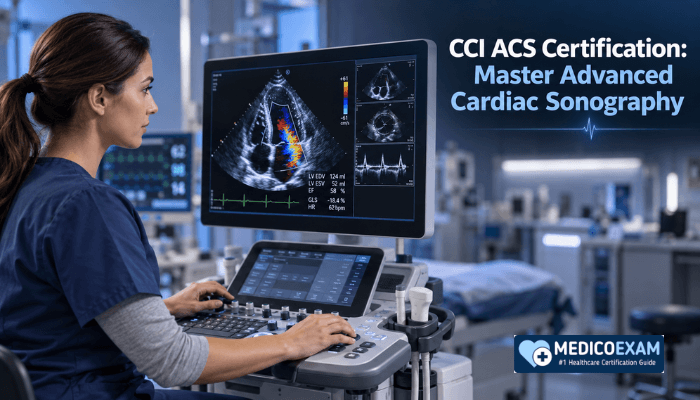
The CCI Advanced Cardiac Sonographer (ACS) certification signifies a professional's expertise in advanced adult echocardiography, demonstrating a high level of competency in performing and interpreting complex cardiac ultrasound examinations. This credential, offered by Cardiovascular Credentialing International (CCI) under the exam code ACS, is specifically designed for experienced cardiac sonographers looking to validate their specialized knowledge and skills beyond basic certification. This comprehensive article aims to provide a neutral, decision-focused review, exploring the intricacies of the CCI ACS certification to help seasoned sonographers determine if pursuing this advanced credential aligns with their career aspirations and professional development goals. We will delve into the exam structure, content areas, benefits, eligibility, preparation strategies, and the overall value of the ACS credential in today's evolving cardiovascular imaging landscape.
Defining the Advanced Cardiac Sonographer Role
An Advanced Cardiac Sonographer (ACS) operates at a higher level of autonomy and responsibility within the echocardiography lab, often functioning as a resource for less experienced colleagues, participating in research, or contributing to complex case management. This role extends beyond routine image acquisition, demanding a profound understanding of cardiac pathophysiology, advanced imaging modalities, and clinical correlation. Professionals holding the CCI ACS certification are recognized for their capability to perform and interpret a broader spectrum of echocardiographic studies, including stress echocardiography, transesophageal echocardiography, and contrast echocardiography, with greater independence and diagnostic precision.
Capabilities of an Advanced Practitioner
The ACS credential validates a sonographer's capacity to handle challenging clinical scenarios and contribute significantly to patient care teams. These advanced practitioners often lead quality assurance initiatives, implement new imaging protocols, and engage in educational activities. Their expertise is critical in facilities that manage complex cardiovascular cases, requiring specialized diagnostic insights and advanced technical skills.
Impact on Clinical Practice
The presence of ACS-certified sonographers elevates the overall standard of care within a cardiology department. Their specialized knowledge allows for more efficient and accurate diagnostic pathways, reducing the need for repeat studies and improving patient outcomes. They play a pivotal role in optimizing workflow and ensuring adherence to the latest guidelines in echocardiography.
Examining CCI ACS Certification Structure
The CCI Advanced Cardiac Sonographer (ACS) certification requires candidates to successfully pass a rigorous examination designed to assess their advanced theoretical knowledge and practical application skills. Understanding the structure of this crucial assessment is vital for effective preparation. The exam details provide a clear framework for what candidates can expect on test day.
Key Examination Parameters
The ACS exam is meticulously structured to cover a broad range of advanced echocardiography concepts. Here are the core details:
-
Exam Name: CCI Advanced Cardiac Sonographer
-
Exam Code: ACS
-
Duration: 180 minutes
-
Number of Questions: 170 questions (comprising 150 scored and 20 unscored items)
-
Passing Score: A scaled score of 650 on a range of 0-900
-
Exam Price: $450 (USD)
These parameters highlight the comprehensive nature and the significant time commitment required for this certification. The inclusion of unscored questions is standard practice in many high-stakes examinations, used by the certifying body to gather data for future exam development without impacting the current candidate's score.
Scoring and Evaluation
The passing score of 650 indicates the level of mastery required to achieve this advanced credential. Candidates receive a scaled score, which accounts for slight variations in exam difficulty across different versions, ensuring fairness. This standardized scoring method helps maintain the integrity and credibility of the CCI ACS certification.
Core Competencies: What the ACS Exam Validates
The CCI Advanced Cardiac Sonographer (ACS) examination is structured around specific domains, each carrying a designated weight that reflects its importance in the advanced practice of cardiac sonography. This syllabus serves as a blueprint for the knowledge and skills expected of a certified Advanced Cardiac Sonographer. Candidates must demonstrate proficiency across these areas to validate their expertise.
Detailed Syllabus Breakdown
The examination covers several critical areas, reflecting the multifaceted responsibilities of an Advanced Cardiac Sonographer. The percentage allocations indicate the relative emphasis of each section within the 170-question exam:
-
Assimilating History, Clinical, and Echocardiographic Findings - 10%: This section evaluates the ability to integrate patient history, clinical symptoms, and previous diagnostic findings with new echocardiographic data to form a cohesive clinical picture.
-
Assessing Cardiovascular Heart Disease - 39%: The largest section, focusing on the comprehensive evaluation and interpretation of various forms of cardiovascular heart disease using advanced echocardiographic techniques. This includes ischemic heart disease, cardiomyopathies, pericardial disease, and cardiac masses.
-
Assessing Valvular Heart Disease - 18%: Candidates are tested on their in-depth knowledge of valvular anatomy, pathophysiology of valvular dysfunction (stenosis and regurgitation), and the application of advanced Doppler techniques to quantify and characterize valvular lesions.
-
Evaluating Structural Heart and Interventional Procedures - 17%: This domain covers the role of echocardiography in guiding and assessing structural heart interventions, such as transcatheter aortic valve replacement (TAVR), mitral clip procedures, and patent foramen ovale (PFO)/atrial septal defect (ASD) closure.
-
Utilizing Advanced and Multi-Modality Imaging - 11%: This part assesses proficiency in newer and complementary imaging techniques, including 3D echocardiography, strain imaging, contrast echocardiography, and the integration of echocardiographic findings with other imaging modalities like MRI or CT.
-
Assessing Congenital Heart Disease - 5%: Although a smaller portion, this section requires a fundamental understanding of common adult congenital heart defects and their echocardiographic evaluation.
Understanding these weightages allows candidates to strategically allocate their study time, focusing more heavily on the higher-weighted domains like assessing cardiovascular and valvular heart disease.
Beyond Basic Echocardiography
The syllabus demonstrates that the ACS credential moves beyond routine echo procedures. It emphasizes critical thinking, advanced diagnostic capabilities, and the integration of diverse information sources to guide clinical decisions. This makes the certification particularly valuable for sonographers aspiring to leadership or specialized roles within cardiology departments.
Benefits of Pursuing CCI ACS Credential
Obtaining the CCI Advanced Cardiac Sonographer (ACS) certification offers numerous advantages that can significantly impact a sonographer's professional trajectory. Beyond personal satisfaction, this credential provides tangible benefits that enhance career opportunities, earning potential, and professional recognition within the demanding field of cardiovascular imaging. The investment in time and resources for the ACS exam often yields substantial returns for dedicated professionals.
Enhanced Professional Recognition
The ACS credential serves as a mark of excellence, distinguishing certified professionals from their peers. It signals to employers, physicians, and patients that an individual possesses a validated, high level of expertise in advanced echocardiography. This recognition can lead to greater trust and responsibility in clinical settings. Moreover, it demonstrates a commitment to lifelong learning and professional growth in a rapidly evolving medical specialty.
Expanded Career Opportunities
For many sonographers, the ACS certification unlocks advanced roles and responsibilities. These can include positions as lead sonographers, clinical specialists, educators, or even roles in research and device companies. Hospitals and academic medical centers often seek out ACS-certified professionals for their specialized programs, particularly those focused on complex heart conditions, structural heart interventions, or advanced imaging research. This broadened scope can lead to a more diverse and engaging career path.
Potential for Increased Compensation
While specific salary figures can vary widely based on location, experience, and employer, professionals holding advanced certifications like the CCI ACS often command higher salaries than those with only basic credentials. Employers are typically willing to compensate for specialized skills and the ability to take on more complex tasks, recognizing the value these individuals bring to a department. Data regarding the Advanced Cardiac Sonographer (ACS) salary often shows a premium for certified individuals.
Contribution to Clinical Excellence
Beyond personal gain, ACS-certified sonographers contribute significantly to the overall quality of patient care. Their advanced diagnostic skills and ability to integrate complex findings can improve diagnostic accuracy, guide treatment decisions, and ultimately enhance patient outcomes. This role satisfaction, knowing one is at the forefront of clinical practice, is an invaluable benefit.
Navigating Eligibility for ACS Certification
Understanding the specific requirements for the CCI Advanced Cardiac Sonographer (ACS) certification is paramount before embarking on the preparation journey. Eligibility criteria are established to ensure that only experienced and qualified professionals attempt this advanced examination, upholding the integrity and high standards of the credential. Candidates must meticulously review these prerequisites to confirm their readiness.
Key Eligibility Pathways
CCI outlines clear pathways for eligibility, typically requiring a combination of foundational certification and extensive clinical experience. While specific details can be found on the official CCI credential page, generally, candidates must hold a current, active cardiac sonography credential from an approved body (such as RDCS from ARDMS or RCS from CCI) and possess a significant amount of clinical experience in advanced adult echocardiography. This experience often involves performing and interpreting a specified number of complex studies over a set period.
Clinical Experience Requirements
The emphasis on clinical experience is a cornerstone of the ACS eligibility. It ensures that candidates have not only theoretical knowledge but also practical, hands-on exposure to the advanced techniques and clinical scenarios covered by the certification. This practical experience is crucial for developing the critical thinking and problem-solving skills necessary for an Advanced Cardiac Sonographer. Documentation of this experience, often through physician verification or case logs, is typically a part of the application process.
Foundational Credential Requirement
Candidates must first demonstrate competency in general cardiac sonography before specializing. This foundational credential ensures a solid base of knowledge in anatomy, physiology, and basic echocardiographic principles upon which the advanced concepts of the ACS build. Without this prerequisite, candidates would lack the necessary framework to master the complex topics of the ACS exam.
Charting Your Career Path with ACS
The CCI Advanced Cardiac Sonographer (ACS) certification serves as a powerful catalyst for career advancement, opening doors to specialized roles and leadership opportunities within the dynamic field of cardiovascular imaging. For those aiming to evolve beyond conventional sonography practice, understanding the potential Advanced Cardiac Sonographer career path enabled by this credential is a key motivator. It signifies a transition from generalist to expert, often with enhanced responsibilities and influence.
Specialized Roles and Responsibilities
An ACS-certified professional often takes on roles such as:
-
Lead Sonographer: Overseeing daily operations, scheduling, and quality control within the echocardiography lab.
-
Clinical Specialist: Focusing on complex cases, performing advanced studies, and collaborating closely with cardiologists on diagnosis and treatment plans.
-
Educator/Mentor: Training new sonographers, students, and residents, sharing expertise in advanced techniques and interpretations.
-
Research Coordinator: Participating in clinical trials, data collection, and analysis related to new echocardiographic technologies or methodologies.
-
Applications Specialist: Working with medical device companies to train users on new ultrasound equipment and software.
These roles highlight the diverse avenues available to an ACS professional, moving into positions that require both technical mastery and strong leadership capabilities.
Leadership and Development
Beyond direct clinical roles, the ACS credential prepares individuals for leadership positions that influence departmental protocols, technology adoption, and quality improvement initiatives. Advanced Cardiac Sonographers are often at the forefront of integrating new imaging techniques, such as 3D echocardiography, strain imaging, and contrast studies, into routine clinical practice. Their expertise is invaluable in developing best practices and ensuring the highest standards of diagnostic accuracy.
Professional Growth and Recognition
Achieving ACS certification showcases a dedication to continuous professional development and a deep commitment to the field. This commitment fosters a reputation as a highly skilled and reliable expert, leading to greater respect from colleagues and physicians. It can also provide opportunities to speak at conferences, publish in professional journals, and contribute to the broader echocardiography community, further cementing one's status as a leader.
Strategic Preparation for the CCI ACS Exam
Effective preparation is the cornerstone of success for the CCI Advanced Cardiac Sonographer (ACS) exam. Given the comprehensive nature of the syllabus and the depth of knowledge required, a structured and disciplined approach to studying is essential. Candidates should develop a robust study plan that covers all domains, incorporates various learning methods, and includes regular self-assessment.
Developing a Comprehensive Study Plan
To prepare for CCI ACS exam, candidates should start by reviewing the official syllabus thoroughly to identify areas of strength and weakness. A balanced study schedule is crucial, dedicating appropriate time to each domain, especially those with higher weightings. Utilize a variety of resources to reinforce understanding.
-
Official CCI Resources: Consult the CCI website (cci-online.org) for recommended readings, practice outlines, and exam blueprints.
-
Advanced Textbooks: Invest in reputable advanced echocardiography textbooks that delve into complex hemodynamics, specific pathologies, and advanced imaging modalities like 3D echo, strain, and contrast.
-
Review Courses: Consider enrolling in a CCI Advanced Cardiac Sonographer review course. These structured programs often provide focused lectures, case studies, and opportunities for interactive learning.
-
Peer Collaboration: Form study groups with other experienced sonographers preparing for the ACS exam. Discussing complex cases and challenging concepts can deepen understanding and offer new perspectives.
Utilizing Practice Questions and Tests
Regular practice is indispensable for mastering the exam format and identifying knowledge gaps. ACS CCI practice questions are vital for familiarizing yourself with the type of questions asked and the critical thinking required.
-
Practice Exams: Take full-length practice exams to simulate the actual test environment. This helps in managing time effectively and reducing test anxiety.
-
Question Banks: Utilize online question banks, such as those available on MedicoExam, that offer a wide range of questions covering all syllabus topics. These platforms often provide detailed explanations for answers, enhancing learning.
-
Self-Assessment: Analyze your performance on practice questions to pinpoint weak areas. Revisit these topics in your study materials until confidence is gained.
It is crucial to emphasize ethical preparation and avoid "exam dumps" or unauthorized materials, as these can compromise learning and undermine the integrity of the certification process. Focus on genuine understanding and application of concepts.
Time Management and Stress Reduction
Effective time management during preparation and the exam itself is critical. Break down study goals into manageable segments and schedule regular breaks to avoid burnout. Leading up to the exam, ensure adequate rest and nutrition. Familiarity with the testing center environment can also help reduce stress on exam day.
Maintaining Your Advanced Cardiac Sonographer Status
Achieving the CCI Advanced Cardiac Sonographer (ACS) certification is a significant milestone, but maintaining its validity requires ongoing commitment to professional development. The credential is not a one-time achievement but a testament to continuous learning and competency in a field that is constantly evolving. Understanding the requirements for maintaining CCI ACS certification is crucial for all certified professionals.
Continuing Medical Education (CME)
Like many professional medical certifications, the ACS credential mandates participation in Continuing Medical Education (CME) activities. This ensures that certified sonographers remain current with the latest advancements in echocardiography, new technologies, and evolving clinical guidelines. CCI typically specifies a certain number of CME credits that must be earned within a defined renewal cycle, usually every three years. These credits can be obtained through various approved activities, including:
-
Attending conferences and workshops.
-
Completing online courses and webinars.
-
Participating in educational activities within their institutions.
-
Engaging in self-study using approved materials.
-
Documentation of these CME activities is required upon renewal.
Reaffirmation and Renewal Process
In addition to CME, maintaining CCI ACS certification usually involves a reaffirmation process, where professionals attest to their continued adherence to ethical standards and ongoing practice in the field. The renewal process is typically managed through CCI's online portal, where individuals can track their CME credits and submit their renewal applications. Staying organized with CME records and adhering to renewal deadlines are key to avoiding lapses in certification.
Importance of Continuous Learning
The field of cardiac sonography is dynamic, with new research, techniques, and equipment emerging regularly. Continuous learning, therefore, is not just a requirement for certification maintenance but a professional imperative. It ensures that ACS-certified sonographers continue to provide the highest quality of care, utilizing the most current and effective diagnostic methods available. This ongoing commitment to education reinforces the value and relevance of the ACS credential throughout a sonographer's career.
Deciding on CCI ACS: A Career Investment Review
The question "Is it right for your sonography career?" is central to considering the CCI Advanced Cardiac Sonographer (ACS) certification. This decision demands a thorough evaluation of personal career goals, current professional standing, and the evolving landscape of cardiovascular imaging. It's an investment in time, effort, and finances, and like any investment, it should align with one's long-term aspirations.
Assessing Your Professional Ambitions
For sonographers who are content with performing routine echocardiograms, the ACS certification might not be a necessary step. However, for those aspiring to take on more complex cases, specialize in advanced modalities, lead a department, or engage in teaching and research, the ACS credential is a highly relevant and potentially transformative asset. It validates the skills required for such elevated roles and often serves as a prerequisite for them. Reflect on your desired level of autonomy, responsibility, and influence within your workplace.
Evaluating the Value Proposition
Consider the return on investment (ROI). While the Advanced Cardiac Sonographer certification cost includes examination fees, study materials, and potentially review courses, the benefits often outweigh these expenses. These benefits include enhanced job prospects, higher earning potential, and increased professional respect. For many, the ability to tackle challenging cases and contribute more significantly to patient diagnostics provides immense professional satisfaction, which is a non-monetary but substantial form of ROI.
Future-Proofing Your Expertise
The healthcare industry continually pushes for higher specialization and validated expertise. The ACS certification positions a sonographer at the forefront of advanced cardiac imaging, making them more resilient to changes in the job market and more attractive to cutting-edge medical facilities. It demonstrates proactive engagement with the highest standards of the profession, ensuring continued relevance and demand for their specialized skills in the years to come. This strategic move can solidify a sonographer's position as a valuable and indispensable member of the cardiovascular care team.
Conclusion
The CCI Advanced Cardiac Sonographer (ACS) certification represents a pinnacle of achievement for experienced cardiac sonographers, validating a profound level of expertise in advanced adult echocardiography. It is a credential that signifies not just technical proficiency but also a commitment to clinical excellence, continuous learning, and leadership within the field. While the path to certification is rigorous, involving a comprehensive exam and ongoing maintenance requirements, the benefits in terms of career advancement, increased earning potential, and enhanced professional recognition are substantial.
For sonographers who aspire to roles beyond routine practice, the ACS certification can be a powerful differentiator. It is ideal for professionals who want to manage complex cases, guide structural heart interventions, use multi-modality imaging, or take on leadership and educational responsibilities. The ACS certification serves as a clear signal of advanced competency. It can open doors to specialized opportunities and help professionals stay relevant in an evolving healthcare landscape. If your career ambitions involve deeper knowledge and greater impact in cardiac imaging, the CCI ACS certification could be a strategic step. Explore the possibilities and determine whether this advanced credential is right for your future in sonography.
Frequently Asked Questions
1. What is an Advanced Cardiac Sonographer (ACS)?
An Advanced Cardiac Sonographer is a certified professional skilled in advanced adult echocardiography. They can perform and interpret complex cardiac ultrasound examinations beyond basic studies. They may also take on specialized roles, mentor other professionals, and contribute to clinical research or protocol development.
2. What are the eligibility requirements for the CCI ACS certification?
Candidates typically need a foundational cardiac sonography credential, such as RCS or RDCS. They must also have relevant clinical experience in advanced adult echocardiography. Specific experience requirements are detailed on the official CCI website.
3. What is the format of the CCI ACS exam?
The CCI ACS exam consists of 170 questions (150 scored, 20 unscored) to be completed in 180 minutes. A scaled score of 650 on a range of 0-900 is required to pass. The questions cover various domains, including cardiovascular heart disease, valvular heart disease, and advanced imaging techniques.
4. How much does the Advanced Cardiac Sonographer certification cost?
The exam price for the CCI ACS certification is $450 (USD). This fee covers the examination itself; additional costs may include study materials, review courses, and application fees.
5. What are the benefits of CCI ACS certification for career progression?
Benefits include enhanced professional recognition, expanded career opportunities in specialized or leadership roles, potential for increased salary, and the ability to contribute to clinical excellence. It validates advanced skills, making certified professionals highly sought after in complex cardiovascular settings.
- CCI ACS Question Bank |
- CCI ACS Eligibility & Requirements |
- CCI Advanced Cardiac Sonographer Practice Test |
- CCI ACS Exam Cost |
- CCI ACS Registration Process |
- CCI Advanced Cardiac Sonographer Study Guide |
- CCI ACS Recertification |
- CCI ACS Certification Overview |
- CCI Advanced Cardiac Sonographer Syllabus |
- CCI ACS Preparation Time |
- CCI ACS Passing Score |
- CCI ACS Exam Format |
- CCI Advanced Cardiac Sonographer Sample Questions |
- CCI ACS Career Opportunities |
- CCI ACS Exam Difficulty


