
Unlock Hidden Opportunities: The PCT Advantage
The AMT Patient Care Technician (PCT) certification, offered by American Medical Technologists (AMT) under exam code PCT, stands as a pivotal credential for healthcare professionals aiming to solidify their foundational skills in direct patient support. This certification validates essential competencies required to assist patients under the supervision of nursing and medical staff, signifying a commitment to high standards in patient care. It is ideally suited for individuals currently working in or aspiring to enter roles such as patient care technicians, nursing assistants, or medical assistants who wish to enhance their clinical support capabilities and broaden their career prospects within diverse healthcare settings. This article delves into the comprehensive PCT advantage, exploring the examination structure, vital syllabus areas, tangible career benefits, and effective preparation strategies to help candidates excel.
Charting Your Course: The AMT Patient Care Technician Certification (PCT)
The AMT Patient Care Technician (PCT) certification is a testament to an individual's proficiency in providing compassionate and competent direct patient care. Awarded by American Medical Technologists (AMT), a leading certifying agency, the PCT credential signifies a professional's readiness to perform a wide range of clinical and administrative support tasks crucial for patient well-being. Holding this certification can significantly elevate a professional's standing, offering enhanced recognition and opening doors to a multitude of healthcare roles that demand skilled patient support.
Validating Essential Patient Care Skills
The PCT certification specifically validates a comprehensive set of core competencies, ensuring that certified individuals possess the knowledge and practical abilities to contribute effectively to patient care teams. These skills are fundamental to maintaining patient safety, comfort, and recovery within various clinical environments.
-
Clinical Competency: Demonstrating proficiency in performing vital signs, phlebotomy, EKG, and basic wound care.
-
Patient Assistance: Providing aid with daily living activities, mobility, and personal hygiene, always prioritizing dignity.
-
Communication Acumen: Effectively interacting with patients, families, and healthcare team members to ensure seamless care coordination.
-
Safety Protocols: Adhering strictly to infection control, patient safety guidelines, and emergency procedures.
-
Ethical Practice: Upholding professional ethics, patient confidentiality, and legal responsibilities within the scope of practice.
This validation extends beyond theoretical knowledge, emphasizing the practical application of skills in real-world scenarios, thereby assuring employers of a candidate's immediate value.
Navigating the PCT Examination Blueprint
Understanding the structure and requirements of the AMT Patient Care Technician (PCT) exam is the first critical step toward successful certification. The examination is designed to thoroughly assess a candidate's knowledge across various domains essential to the Patient Care Technician role. Preparing with a clear understanding of the exam details can significantly alleviate test-day anxiety and focus study efforts effectively.
The AMT PCT exam requires dedicated preparation due to its comprehensive nature. Candidates are provided with 150 minutes to complete 200 questions, meaning time management is as crucial as knowledge recall. A scaled score of 70 is required to pass, indicating that a solid grasp of at least 70% of the material is necessary. The exam fee is $150 (USD), a standard investment for a credential that offers substantial career benefits. For those seeking comprehensive study materials and practice questions to solidify their understanding, PCT exam preparation resources can provide valuable support.
Building Foundational Expertise: Key Syllabus Domains
The AMT Patient Care Technician (PCT) exam content outline is meticulously structured to cover the full spectrum of knowledge and skills expected of a competent PCT. Each domain carries a specific weight, guiding candidates on where to focus their study efforts to maximize their chances of success. A deep understanding of these areas is paramount for providing holistic patient care.
The PCT exam encompasses four primary content areas, each contributing to the overall score:
-
Allied Health Foundations - 38.0%: This largest section covers fundamental principles of healthcare, including anatomy and physiology, medical terminology, legal and ethical considerations, and basic psychology.
-
Personal Patient Assistance and Care - 21.0%: Focuses on skills directly related to assisting patients with activities of daily living, mobility, hygiene, nutrition, and comfort measures.
-
Clinical Procedures - 33.5%: This significant portion assesses knowledge of practical clinical tasks such as phlebotomy, electrocardiography (ECG), vital sign measurement, specimen collection, and basic wound care.
-
Clinical Patient Environment - 7.5%: Addresses patient safety, infection control, emergency preparedness, and maintaining a therapeutic environment for patients.
For a detailed breakdown of each domain and its sub-topics, candidates are encouraged to consult the official content outline provided by AMT. This document serves as an indispensable roadmap for effective study planning, ensuring all critical areas are covered.
Unlocking Career Potential with PCT Certification
Achieving the AMT Patient Care Technician (PCT) certification is more than just passing an exam; it is a strategic step that significantly enhances career prospects and earning potential in the dynamic healthcare sector. In a field that constantly seeks skilled and reliable professionals, the PCT credential acts as a strong differentiator, signaling a candidate's validated expertise and dedication. This professional recognition often translates directly into improved job security and a broader array of opportunities.
Advantages in the Healthcare Landscape
The benefits of AMT Patient Care Technician certification extend across various aspects of a healthcare career, positioning certified professionals for long-term success.
-
Enhanced Employability: Many healthcare facilities prefer or require certified Patient Care Technicians, making the PCT credential a key to unlocking desired positions.
-
Increased Earning Potential: While specific figures for AMT PCT salary can vary by region and experience, certified PCTs often command higher wages compared to their non-certified counterparts due to their validated skill set.
-
Professional Credibility: Certification from a reputable organization like AMT boosts a professional's credibility among peers, employers, and patients, fostering trust and respect.
-
Career Advancement Pathways: The PCT certification can serve as a solid foundation for further education and specialization within healthcare, such as pursuing nursing or other allied health professions.
-
Broader Job Scope: Certified PCTs are often entrusted with a wider range of responsibilities, leading to more engaging and impactful work within their patient care technician job description.
This investment in professional development pays dividends by opening doors to more fulfilling and stable roles, allowing individuals to make a more significant impact on patient lives.
Embracing the Role: Patient Care Technician Duties
A Patient Care Technician (PCT) plays an indispensable role in the daily operations of various healthcare settings, acting as the direct link between patients and their primary care team. These professionals are central to patient comfort, safety, and rehabilitation, performing a diverse array of tasks that support nurses and physicians. Understanding what an AMT Patient Care Technician does involves recognizing their broad responsibilities and the direct impact they have on patient experience.
Diverse Responsibilities in Patient Support
The Patient Care Technician duties and responsibilities are extensive and varied, requiring a blend of technical skills, empathy, and organizational acumen. PCTs operate under the direct supervision of registered nurses or other licensed healthcare providers, ensuring that patient needs are met efficiently and effectively.
Key responsibilities often include:
-
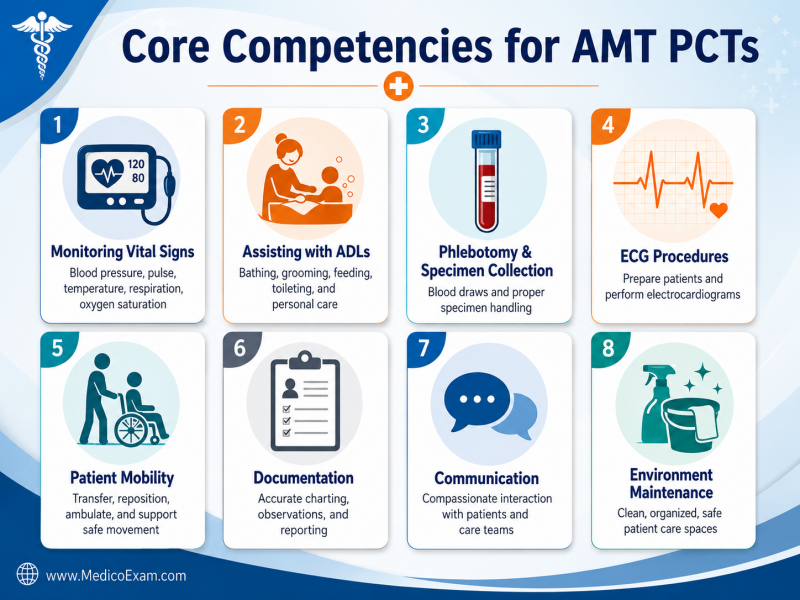
Monitoring Vital Signs: Regularly checking and recording blood pressure, pulse, respiration, and temperature, and reporting any significant changes.
-
Assisting with Activities of Daily Living (ADLs): Helping patients with bathing, dressing, grooming, eating, and toileting, maintaining their dignity and privacy.
-
Phlebotomy and Specimen Collection: Performing venipuncture to collect blood samples and collecting other specimens (e.g., urine, stool) for laboratory analysis.
-
Electrocardiogram (ECG) Procedures: Operating ECG machines to record heart activity, crucial for diagnostic purposes.
-
Patient Mobility and Ambulation: Assisting patients with moving, transferring from bed to chair, and walking, using proper body mechanics and assistive devices.
-
Documenting Patient Information: Accurately recording observations, care provided, and patient responses in electronic health records or charts.
-
Communication: Serving as a vital communication link between patients, families, and the healthcare team, relaying concerns and feedback.
-
Maintaining a Clean Environment: Ensuring patient rooms and care areas are clean, organized, and stocked with necessary supplies to prevent infection.
These tasks collectively contribute to a supportive and healing environment, making the PCT an invaluable member of any medical team.
Strategic Preparation for the AMT PCT Exam
Effective preparation is the cornerstone of success for the AMT Patient Care Technician (PCT) exam. A well-structured study plan, combined with the right resources, can significantly increase a candidate's confidence and performance on test day. The goal of AMT PCT exam prep is not merely to memorize facts, but to deeply understand the underlying principles of patient care and clinical procedures.
Essential Study Resources
Leveraging a variety of study tools is crucial for comprehensive preparation. Candidates should seek out materials that align with the official exam content outline.
-
Official Study Guide: An AMT PCT study guide is typically the most reliable resource, often containing content directly relevant to the exam's objectives.
-
Practice Exam Questions: Engaging with AMT PCT practice exam questions helps familiarize candidates with the exam format and question styles, improving time management.
-
Sample Questions and Flashcards: Utilizing AMT Patient Care Technician exam sample questions and AMT PCT flashcards can reinforce learning and aid in quick recall of key terms and concepts.
-
Review Material: Comprehensive AMT PCT review material, which may include textbooks, online courses, or review seminars, provides in-depth coverage of all syllabus domains.
Practice and Review Methodologies
Beyond acquiring study materials, the method of preparation is equally important. Active learning techniques are far more effective than passive reading.
-
Create a Study Schedule: Allocate specific times for each syllabus domain, dedicating more time to areas where you feel less confident or those with higher exam weight.
-
Regular Self-Assessment: Periodically take full-length practice exams to simulate test conditions and identify areas needing further review. Analyze incorrect answers to understand the rationale behind the correct ones.
-
Concept Mastery: Focus on understanding the "why" behind procedures and protocols, rather than just memorizing steps. This deeper comprehension is key to answering application-based questions.
-
Study Groups: Collaborating with peers can provide different perspectives, clarify doubts, and make learning more engaging.
-
Rest and Wellness: Ensure adequate rest and maintain overall well-being throughout your study period to optimize cognitive function on exam day.
For further details on examination procedures and official guidance, prospective candidates should visit the AMT Patient Care Technician official page.
Renewing Your Credential: Maintaining PCT Status
Earning the AMT Patient Care Technician (PCT) certification is a significant achievement, but maintaining this professional credential requires ongoing commitment to professional development. The AMT Patient Care Technician renewal process ensures that certified individuals remain current with evolving healthcare practices, technologies, and patient care standards. While specific requirements can vary, the general principle involves earning continuing education (CE) credits over a designated period.
Typically, PCTs must complete a certain number of CE hours before their certification expiration date. These hours can be obtained through various approved activities, including workshops, seminars, online courses, and academic pursuits relevant to the patient care technician field. Staying proactive with renewal requirements not only keeps the certification active but also demonstrates a dedication to lifelong learning and professional excellence in patient care.
Choosing Your Path: PCT vs. Other Certifications
When considering a career as a Patient Care Technician, individuals often explore various certification options available. The AMT PCT vs other Patient Care Technician certifications discussion is important for making an informed decision about professional development. While several organizations offer credentials for patient care roles, the AMT PCT holds a distinct reputation within the allied health community.
AMT is a nationally recognized certification agency with a long-standing history of credentialing competent healthcare professionals. Choosing the AMT PCT often means aligning with an organization known for its rigorous exam standards and commitment to ethical practice. This can translate into greater employer recognition and trust, as employers are often familiar with the quality assurance that comes with an AMT credential. While other certifications may exist, the AMT PCT provides a robust and widely respected pathway for individuals seeking to validate their patient care skills and advance their careers effectively.
Conclusion: Realizing the Full PCT Advantage
The AMT Patient Care Technician (PCT) certification is a powerful credential that equips healthcare professionals with validated skills, enhances career opportunities, and fosters confidence in providing essential patient care. From understanding intricate medical procedures to mastering compassionate patient assistance, the PCT certification signifies a well-rounded and capable individual ready to contribute significantly to any healthcare team. It represents not just an achievement, but a continuous journey of learning and professional growth within the rewarding field of healthcare.
Embrace the journey to becoming a certified AMT Patient Care Technician. By committing to thorough preparation, leveraging comprehensive study resources, and understanding the core competencies, you can unlock a wealth of hidden opportunities in healthcare. Take the definitive step towards a fulfilling career and visit medicoexam.com to begin your PCT preparation journey, ensuring you are fully equipped to make a lasting impact on patient lives.
Frequently Asked Questions
1. What does the AMT Patient Care Technician (PCT) certification primarily validate?
The AMT Patient Care Technician (PCT) certification primarily validates an individual's core competencies and foundational skills required to provide direct patient support under the supervision of nursing and medical staff in various healthcare settings.
2. What are the main benefits of obtaining AMT PCT certification?
Key benefits of obtaining AMT PCT certification include enhanced employability, increased earning potential, greater professional credibility, broader job scope with more responsibilities, and clearer pathways for career advancement within the healthcare sector.
3. How many questions are on the AMT PCT exam and what is the passing score?
The AMT PCT exam consists of 200 questions, and candidates are typically required to achieve a passing score of 70 on a scaled score of 0-100, which approximates to 70% of the questions answered correctly.
4. What are the major content areas covered in the AMT PCT exam syllabus?
The major content areas covered in the AMT PCT exam syllabus are Allied Health Foundations (38.0%), Personal Patient Assistance and Care (21.0%), Clinical Procedures (33.5%), and Clinical Patient Environment (7.5%).
5. What kind of resources are recommended for AMT PCT exam preparation?
Recommended resources for AMT PCT exam preparation include official AMT study guides, practice exam questions, sample questions, flashcards, comprehensive review materials, and utilizing the official content outline for structured study.
- AMT PCT Question Bank |
- AMT PCT Eligibility & Requirements |
- AMT Patient Care Technician Practice Test |
- AMT PCT Exam Cost |
- AMT PCT Registration Process |
- AMT Patient Care Technician Study Guide |
- AMT PCT Recertification |
- AMT PCT Certification Overview |
- AMT Patient Care Technician Sample Questions |
- AMT PCT Preparation Time |
- AMT PCT Career Opportunities |
- AMT PCT Exam Format |
- AMT PCT Exam Difficulty |
- AMT PCT Passing Score |
- AMT Patient Care Technician Syllabus


