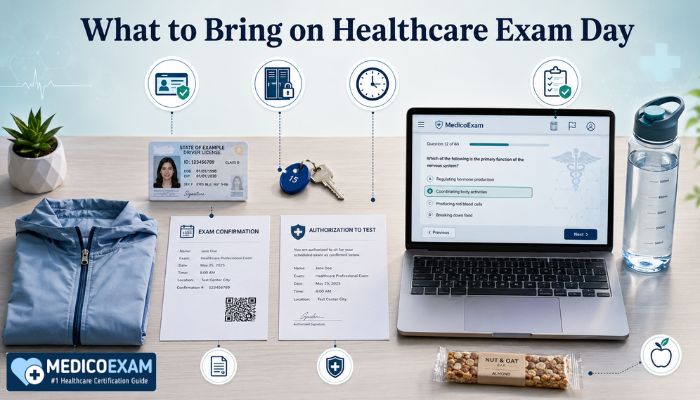
 Your healthcare certification exam day determines months of preparation — and the logistics matter as much as the studying. This universal checklist covers every major testing platform used by healthcare certification bodies in 2026, including Pearson VUE, PSI, and OnVUE remote proctoring. Whether you are sitting for the CPC, NCLEX-RN, FNP-BC, CCMA, or any other healthcare credential, follow this checklist to walk in prepared and walk out confident.
Key Facts: Healthcare Certification Exam Day at a Glance
-
Testing Platforms: Pearson VUE, PSI, Prometric, and OnVUE remote proctoring
-
Arrival Time: 30 minutes before your scheduled appointment at in-person centers
-
ID Required: 1–2 forms of valid, unexpired ID depending on sponsor policy
-
Prohibited Items: Mobile phones, smartwatches, notes, food/drinks in the testing room
-
Check-in Process: Photo capture, digital signature, and biometric scan where applicable
-
Result Delivery: Ranges from immediate to 7–10 business days depending on certification body
-
Remote Testing Option: Available for select exams via OnVUE with webcam, microphone, and stable internet
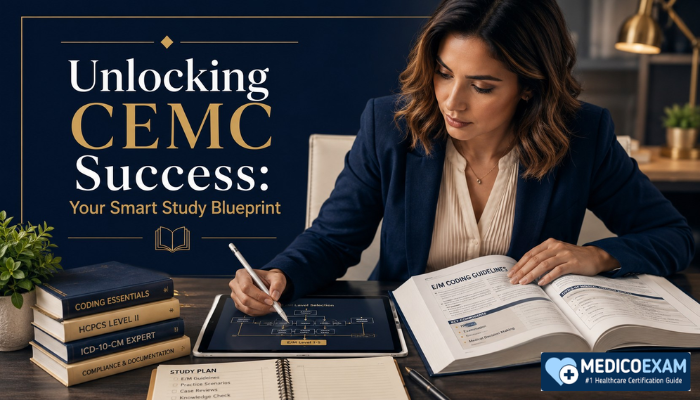 The AAPC Certified Evaluation and Management Coder (CEMC) certification validates expertise in the complex and critical domain of E/M coding. This credential is designed for medical coding professionals who specialize in correctly applying CPT E/M guidelines, ensuring accurate reimbursement, and maintaining compliance within healthcare settings. Individuals aiming for this certification typically include experienced coders, auditors, and healthcare professionals seeking to demonstrate advanced proficiency in evaluation and management services. This comprehensive article serves as your practical study guide, focusing on smart, efficient preparation strategies to help you pass the AAPC CEMC exam without the pitfalls of overstudying. We will explore key benefits, effective study techniques, common challenges, and resources available to ensure your success.
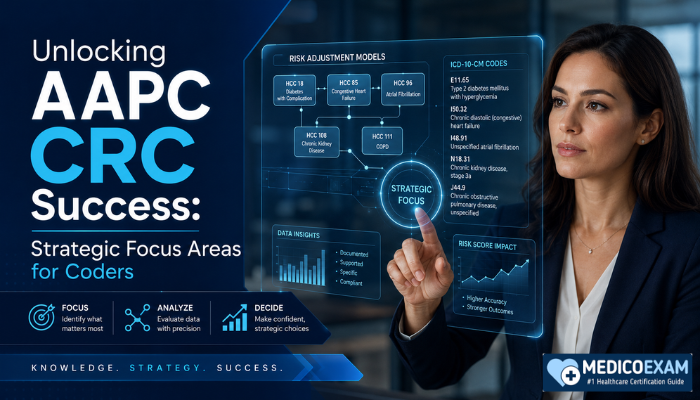 The AAPC Certified Risk Adjustment Coder (CRC) certification is a pivotal credential for professionals specializing in risk adjustment documentation and coding. This certification, identified by its exam code CRC, validates expertise in reviewing medical documentation to assign accurate ICD-10-CM codes, which directly impact healthcare reimbursement models like Hierarchical Condition Categories (HCCs). Candidates pursuing the CRC exam are often focused on refining their coding skills and understanding complex risk adjustment methodologies to ensure compliance and financial integrity within healthcare systems. This comprehensive article aims to bust common CRC exam myths, guiding you to focus on the most effective preparation strategies and essential knowledge areas for success.
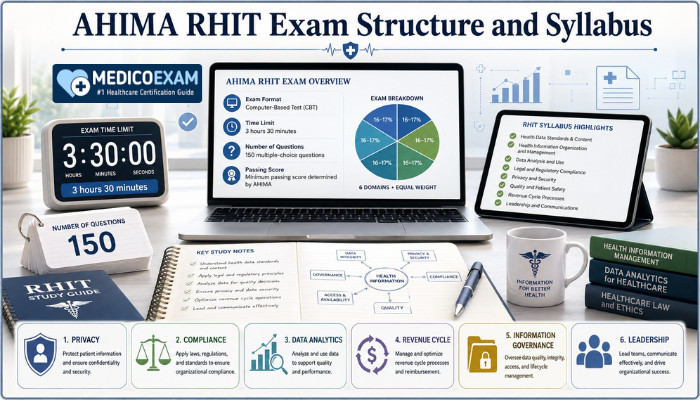 The AHIMA Registered Health Information Technician (RHIT) credential validates a professional’s expertise in managing patient health information and medical records, critical for efficient healthcare operations. This certification is designed for individuals adept at data quality, privacy, security, and compliance within healthcare settings. Achieving the RHIT designation signifies a strong foundation in health information management, opening doors to diverse career opportunities across the healthcare ecosystem. This comprehensive guide delves into the exam’s structure, content, and the pivotal role of effective preparation, including how an AHIMA RHIT practice exam can significantly boost your readiness and confidence.
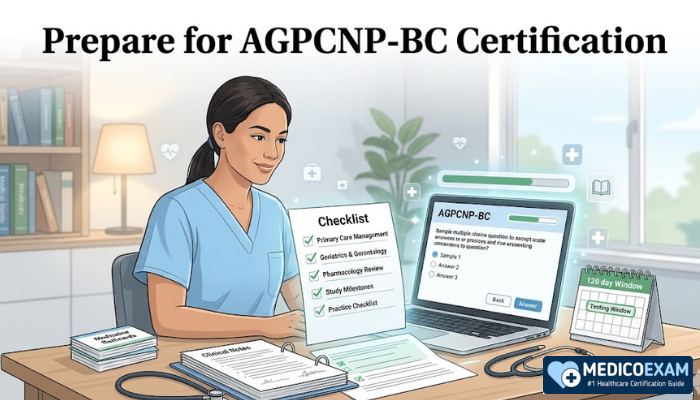 The ANCC AGPCNP-BC (Adult-Gerontology Primary Care Nurse Practitioner–Board Certified) certification validates your ability to deliver comprehensive primary care to patients across the adult lifespan, from adolescents through older adults. The exam contains 175 questions—150 scored and 25 unscored pretest items—administered in 3.5 hours at Prometric testing centers, with a scaled passing score of 350 out of 500. According to ANCC 2024 certification data, the first-time pass rate is 85%, and the credential remains valid for 5 years.
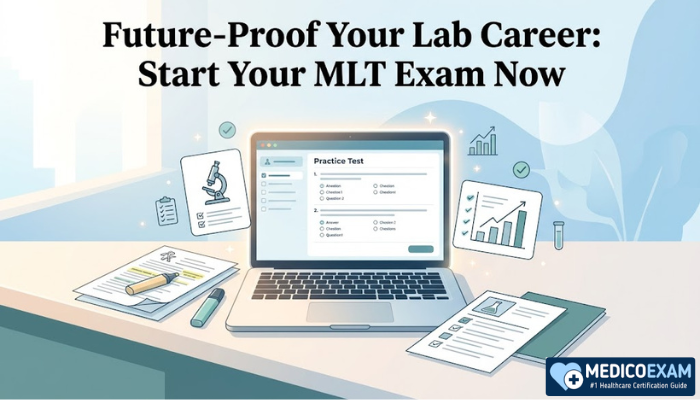 The AMT Medical Laboratory Technician (MLT) certification, denoted by the MLT exam, is a crucial credential for aspiring and practicing laboratory professionals. Administered by American Medical Technologists (AMT), this examination validates a candidate's competency in performing a wide range of laboratory procedures, ensuring accuracy and reliability in patient diagnosis and treatment. This article provides a comprehensive overview of the MLT exam, outlining its benefits, preparation strategies, and how earning this certification can significantly elevate your career trajectory in the dynamic field of medical laboratory science. Whether you are considering entry into the profession or seeking to advance your existing role, understanding the MLT certification process is your first step towards a rewarding future.
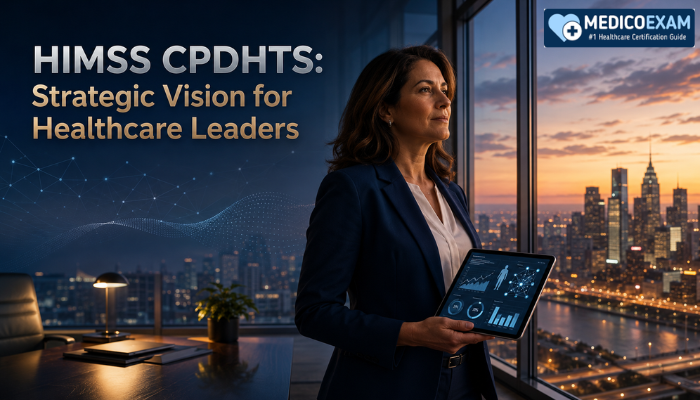 The HIMSS Certified Professional in Digital Health Transformation Strategy (CPDHTS) credential offers a specialized validation of expertise critical for navigating the complex evolution of healthcare. This advanced certification from HIMSS is designed for professionals who aim to lead strategic shifts, moving organizations beyond mere digital tool adoption to holistic, impactful digital health transformation. This article delves into the indispensable value of HIMSS CPDHTS, outlining its core benefits, examination details, syllabus, and why it's the definitive benchmark for strategists in a rapidly changing industry.
 There are over 35 major healthcare certification exams in the United States in 2026, administered by 12 certification bodies spanning medical coding, nursing, allied health, respiratory therapy, emergency medical services, clinical research, and infection control. This database compiles every exam's cost, format, pass rate, renewal period, and eligibility requirements in one place — the most comprehensive single-source reference available for healthcare professionals planning their certification journey.
 The AHIMA Certified Coding Specialist – Physician-based (CCS-P) credential signifies an advanced level of proficiency in medical coding for physician services. This certification is designed for health information management professionals who demonstrate expertise in assigning accurate codes for diagnoses and procedures performed in physician offices, group practices, and clinics. Achieving the CCS-P validates your ability to apply official coding guidelines and industry standards, directly impacting accurate data capture, reimbursement, and compliance within the healthcare revenue cycle. This article outlines a strategic blueprint for mastering the CCS-P exam, detailing its structure, core syllabus, and effective preparation pathways to help you command your future in physician-based coding.
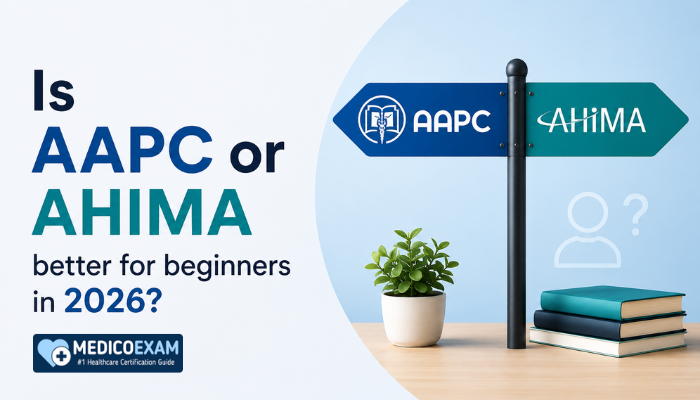 AAPC and AHIMA are the two dominant certification bodies in medical coding, but they serve different career paths. AAPC focuses on physician-office and outpatient coding with credentials like the CPC, while AHIMA covers the full spectrum of health information management — from entry-level coding (CCA) through hospital administration (RHIA). Choosing between them depends on whether you want to specialize in outpatient revenue cycle work or build a broader career in health information management.


