
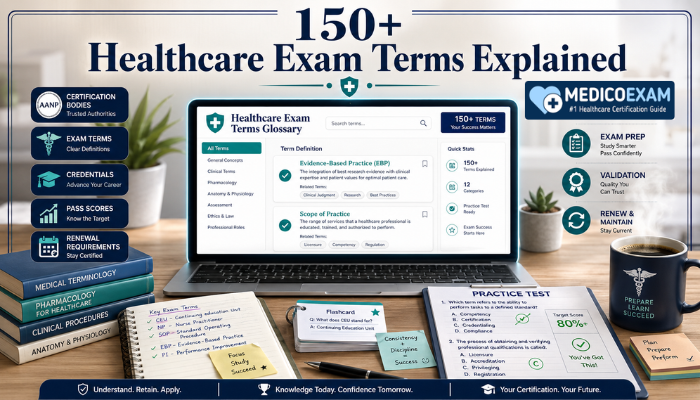
 Healthcare certification exams use hundreds of specialized terms, abbreviations, and acronyms that can overwhelm first-time candidates. This glossary defines over 150 healthcare certification terms organized by category — covering 12 major certification bodies, dozens of credential abbreviations, exam-day terminology, study and prep concepts, and career and salary terms used across the healthcare credentialing landscape.
Whether you are preparing for the CPC, CCS, FNP-BC, CCMA, or any other healthcare credential, this reference guide ensures you understand every term you encounter during your certification journey.
"Understanding the language of certification is the first step toward exam success. Candidates who know exactly what terms like CAT, CEU, and NCCA mean before they start studying are already ahead." — Dr. Lisa Hernandez, DNP, RN, Healthcare Education Consultant
What Are the Major Healthcare Certification Bodies?
The United States has 12 primary healthcare certification bodies that administer credentials across medical coding, nursing, allied health, respiratory therapy, emergency medicine, infection control, and clinical research. Each organization sets its own eligibility requirements, exam formats, and renewal standards.
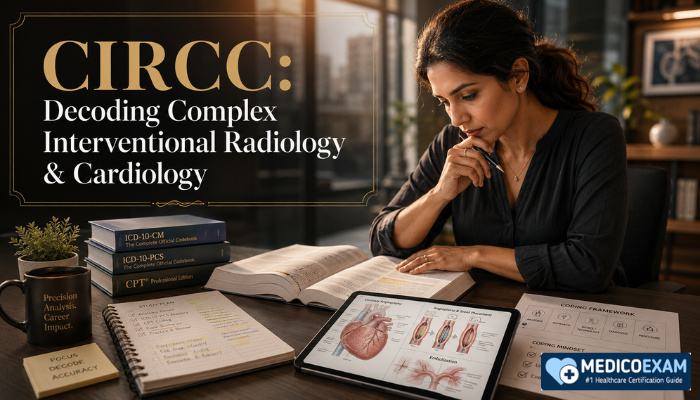 The Certified Interventional Radiology Cardiovascular Coder (CIRCC) credential, offered by AAPC, validates a coder's proficiency in the complex and highly specialized domain of interventional radiology and cardiovascular coding. This certification is designed for professionals who manage the intricate coding challenges associated with procedures like cardiac catheterization, angiography, and vascular interventions. Earning the CIRCC credential signals a deep understanding of CPT codes, modifiers, and guidelines specific to these high-stakes procedures, making it a valuable asset for coders aiming to excel in cardiology and interventional radiology settings. This comprehensive guide outlines the uncommon strategies that distinguish high scorers and will prepare you to approach the CIRCC exam with confidence.
 The AMT Dental Assisting Radiography (DAR) certification represents a vital credential for dental professionals, validating a specialized skill set essential for patient care and diagnostic imaging. This
 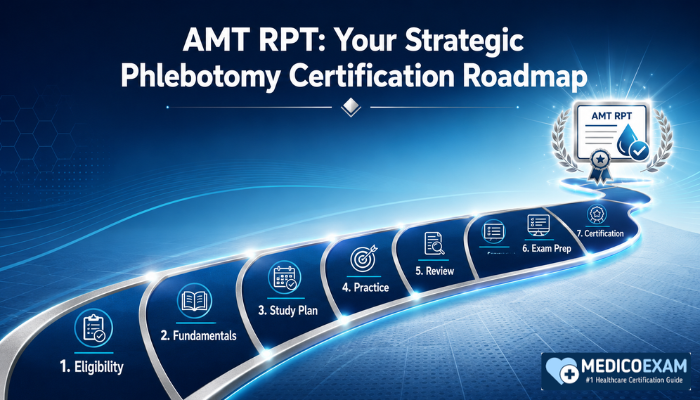 The AMT Registered Phlebotomy Technician (RPT) certification validates a professional's expertise in collecting blood specimens for laboratory analysis, a critical function within healthcare. This credential, offered by the American Medical Technologists (AMT), signifies a commitment to high standards in patient care and laboratory integrity. Individuals aiming to solidify their career in phlebotomy, enhance their professional credibility, and open doors to diverse clinical settings should consider pursuing the AMT RPT. This article outlines a strategic, 7-phase plan designed to guide aspiring technicians through the preparation, examination, and successful achievement of this important certification, offering a clear roadmap to becoming a certified phlebotomist.
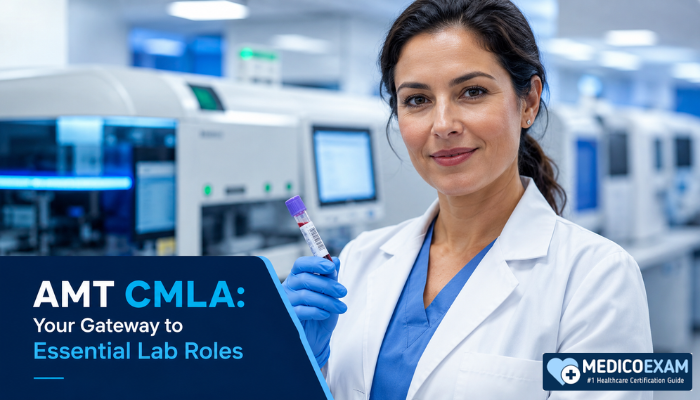 The AMT Certified Medical Laboratory Assistant (CMLA) certification represents a foundational credential for individuals embarking on a career in medical laboratory settings. This American Medical Technologists (AMT) certification, identified by exam code CMLA, validates a candidate's essential skills and knowledge in critical pre-analytical, analytical, and post-analytical laboratory procedures. Designed for those seeking their first professional step into the lab environment, the CMLA credential demonstrates a commitment to quality and patient safety, offering a robust entry point into a vital healthcare role. This comprehensive article serves as a guide for prospective candidates, detailing the certification requirements, exam content, preparation strategies, and career impact to help you determine if the AMT CMLA is the appropriate initial certification for your professional journey.
 Salary is one of the most compelling reasons to pursue either credential, and the difference between the two reflects the increased scope and responsibility that comes with the advanced certification.
 The AAPC Certified Value-Based Administrator (CVBA) credential establishes proficiency in the rapidly evolving landscape of value-based healthcare. This certification is specifically designed for professionals aiming to demonstrate their expertise in managing and optimizing value-based care models, a critical skill set for the modern healthcare environment. Earning the CVBA signifies a deep understanding of the frameworks, data analytics, and collaborative strategies essential for improving patient outcomes while controlling costs. This comprehensive playbook offers a detailed guide, breaking down the exam's intricacies and outlining a strategic preparation pathway for successful certification.
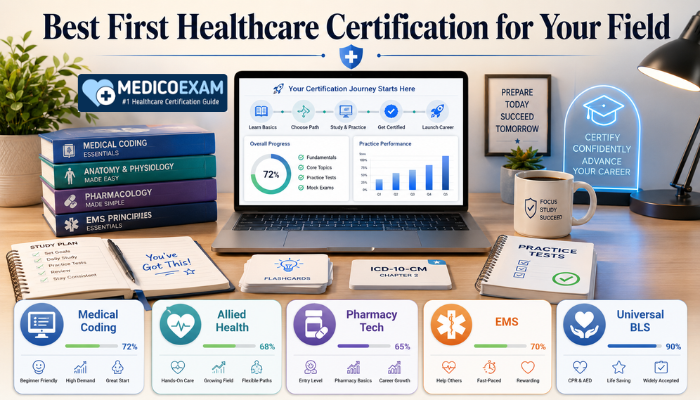 The right healthcare certification depends on your career stage, professional field, budget, and available study time. This decision framework walks you through a five-step process to identify the certification that delivers the highest return on investment for your situation.
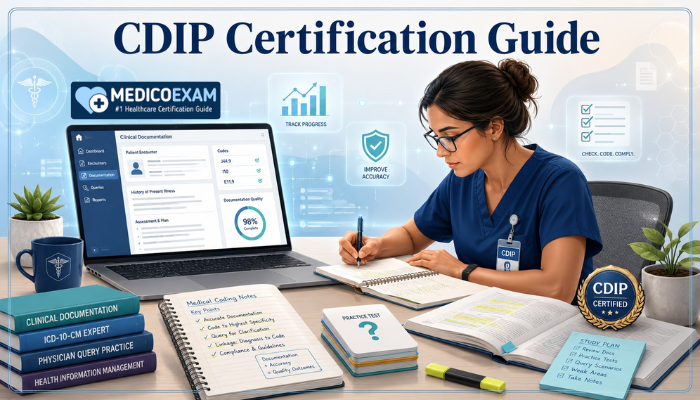 A stronger clinical record can change the way a patient story is understood, coded, measured, reimbursed, and improved. That is the real power behind the CDIP credential. For healthcare professionals who already understand documentation, coding, compliance, clinical terminology, or patient care workflows, the AHIMA Certified Documentation Integrity Practitioner certification can become a meaningful career step.


