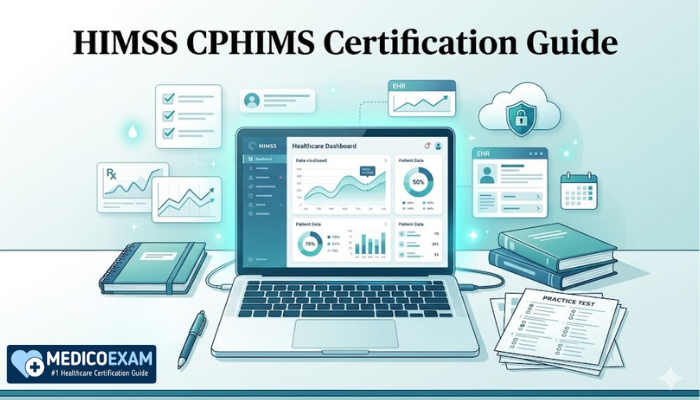
 The HIMSS Certified Professional in Healthcare Information and Management Systems (CPHIMS) certification is a globally recognized credential that validates an individual's expertise in healthcare information and management systems. Designed for experienced professionals, CPHIMS signifies a deep understanding of IT systems within healthcare, demonstrating proficiency in crucial areas from technology environments to clinical informatics and leadership. This article offers comprehensive insights into the CPHIMS certification, outlining its benefits, exam structure, syllabus, and effective preparation strategies to empower your journey in the evolving healthcare IT landscape.
Attaining Professional Recognition with CPHIMS
Pursuing the HIMSS CPHIMS certification positions you as a leading professional equipped to navigate the complexities of modern healthcare technology. This credential, offered by HIMSS (Healthcare Information and Management Systems Society), marks a significant step for those looking to formalize their experience and enhance their professional standing. It showcases a commitment to excellence and continuous learning in a field critical to patient care and operational efficiency. The certification process itself strengthens a professional's foundational knowledge and strategic capabilities, leading to tangible career advantages.
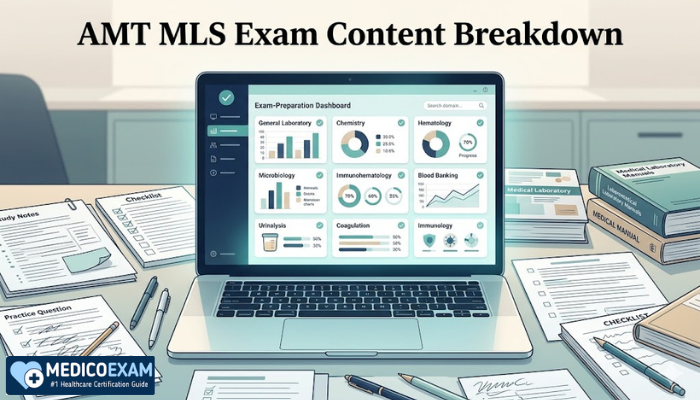 The AMT Medical Laboratory Scientist (MLS) certification is a pivotal credential validating the advanced skills and knowledge of laboratory professionals. Administered by the American Medical Technologists (AMT), the MLS exam (code MLS) assesses a candidate’s competency across various disciplines essential for accurate diagnostic testing and patient care. This article illuminates a critical mistake many aspiring Medical Laboratory Scientists make during their preparation and provides a step-by-step guide to help you successfully navigate the certification process, ensuring you're well-prepared to secure this esteemed certification.
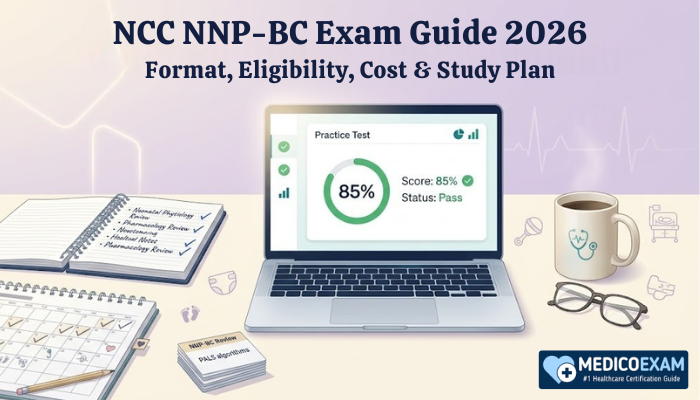 The NCC NNP-BC (Neonatal Nurse Practitioner–Board Certified) is the only national certification for neonatal nurse practitioners in the United States. Administered by the
 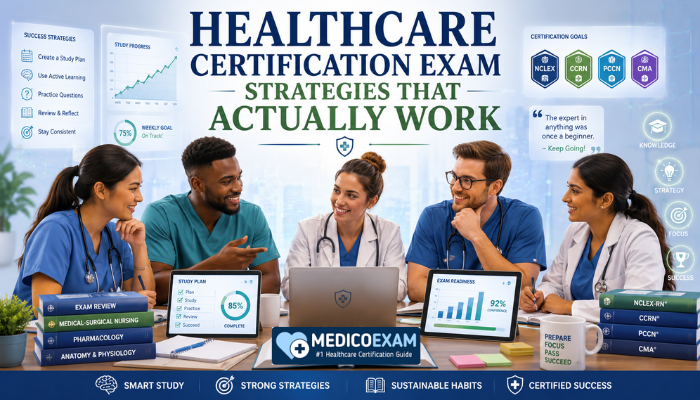 Passing a healthcare certification exam is often the final, daunting hurdle between you and your new career. Textbooks and study guides are essential, but there is no substitute for the lived experience of professionals who have actually sat in the testing center and earned their credentials.
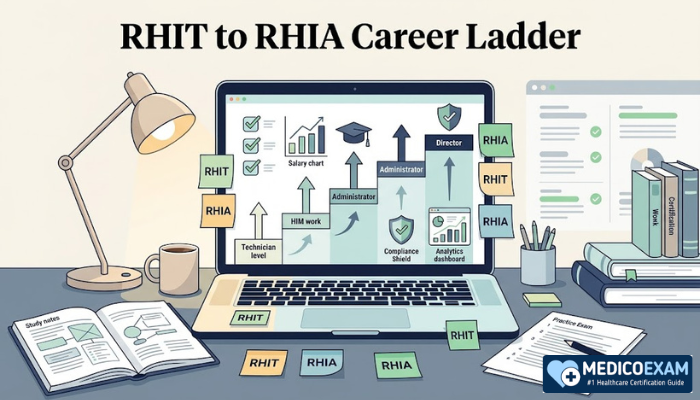 Choose RHIT if you hold an associate degree and want to start working in health information management quickly — it covers 6 exam domains and qualifies you for technical roles earning a median of $50,250 per year. Choose RHIA if you have a bachelor's degree or higher and want to move into management, compliance, or data analytics leadership — RHIA holders earn a median of $67,310 per year and qualify for director-level positions that exceed $100,000 annually.
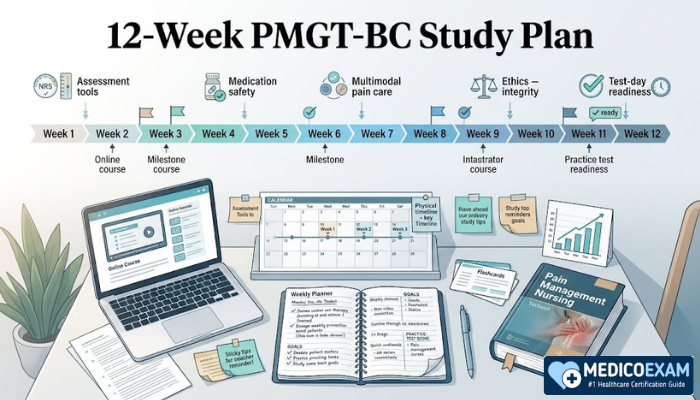 The ANCC Pain Management Nursing certification (PMGT-BC) validates that a registered nurse possesses entry-level clinical knowledge and skills in pain assessment, multimodal interventions, and professional practice. The computer-based exam consists of 150 questions — 125 scored and 25 unscored pretest items — and candidates have 3 hours to complete it at a Prometric testing center.
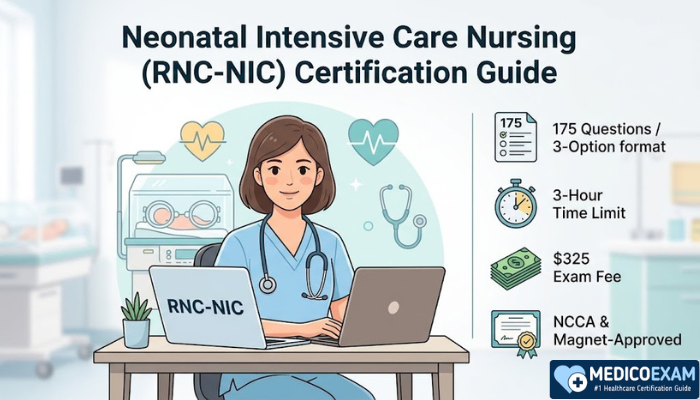 The RNC-NIC (Neonatal Intensive Care Nursing) certification from the National Certification Corporation (NCC) is the largest NCCA-accredited, Magnet-approved credential for NICU nurses in the United States. The exam contains 175 multiple-choice questions — 150 scored and 25 unscored pretest items — with a 3-hour time limit and a fee of $325. With 21,761 active certificants and roughly 2,470 candidates tested in 2024 alone, the RNC-NIC stands as the benchmark specialty credential for nurses who care for acutely and critically ill neonates in intensive care settings.
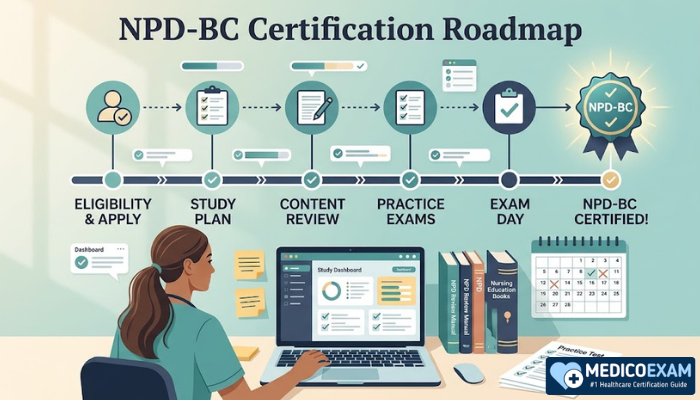 The ANCC Nursing Professional Development Board Certified (NPD-BC) credential is the nationally recognized certification for registered nurses who design education programs, manage staff competency, lead orientation initiatives, and drive evidence-based practice transitions. Awarded by the American Nurses Credentialing Center (ANCC), the NPD-BC exam consists of 150 questions (125 scored and 25 unscored pretest items) with a 3-hour time limit and costs $395 for non-ANA members or $295 for ANA members. As of December 31, 2025, 7,474 nurses hold active NPD-BC certification, and the first-time pass rate stands at 72%.
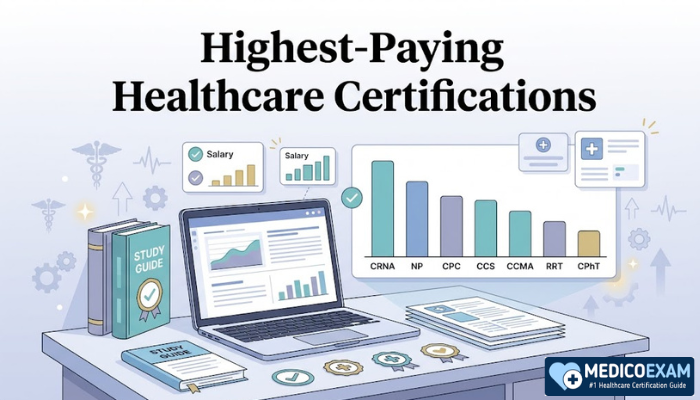 Board-certified physicians earn 18–24% more than their non-certified peers. Nurses with specialty certifications command a 7–13% salary premium. And 79% of healthcare leaders now pay more for candidates with specialized skills. These are not projections — they are the salary realities shaping healthcare hiring in 2026. Whether you are a medical coder weighing the CPC exam or an RN eyeing an NP credential, the financial case for certification has never been stronger.


