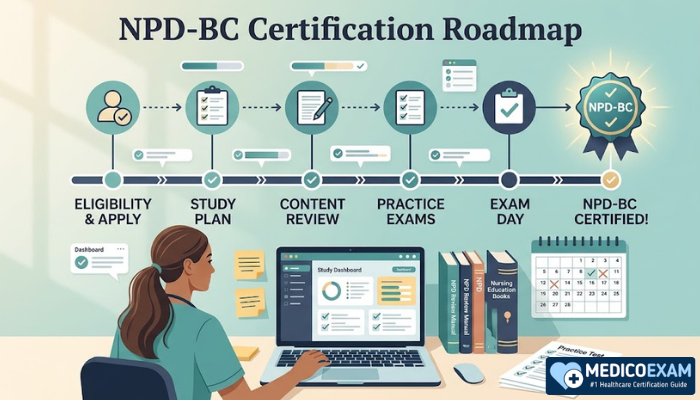
 The ANCC Nursing Professional Development Board Certified (NPD-BC) credential is the nationally recognized certification for registered nurses who design education programs, manage staff competency, lead orientation initiatives, and drive evidence-based practice transitions. Awarded by the American Nurses Credentialing Center (ANCC), the NPD-BC exam consists of 150 questions (125 scored and 25 unscored pretest items) with a 3-hour time limit and costs $395 for non-ANA members or $295 for ANA members. As of December 31, 2025, 7,474 nurses hold active NPD-BC certification, and the first-time pass rate stands at 72%.
Blogs
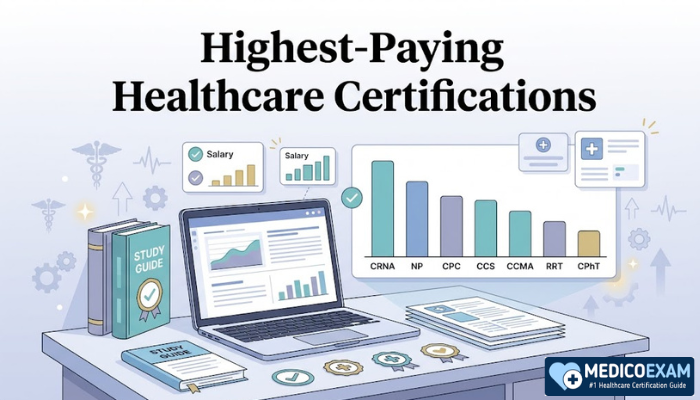 Board-certified physicians earn 18–24% more than their non-certified peers. Nurses with specialty certifications command a 7–13% salary premium. And 79% of healthcare leaders now pay more for candidates with specialized skills. These are not projections — they are the salary realities shaping healthcare hiring in 2026. Whether you are a medical coder weighing the CPC exam or an RN eyeing an NP credential, the financial case for certification has never been stronger.
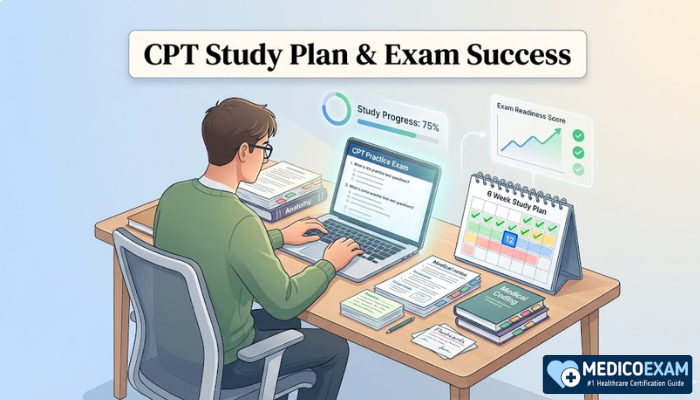 The NHA Certified Phlebotomy Technician (CPT) exam is a 120-question, computer-based test that costs $129 and requires a scaled score of 390 out of 500 to pass. Of those 120 questions, 100 are scored and 20 are unscored pretest items used for future exam development. The first-time pass rate is 75.96%, according to NHA's 2024 annual pass rate report — meaning roughly one in four candidates does not pass on the initial attempt. This guide breaks down every domain, walks through the CLSI order of draw, explains eligibility requirements, and provides a 6-week study plan so you can join the 133,234 actively certified CPT holders in the United States.
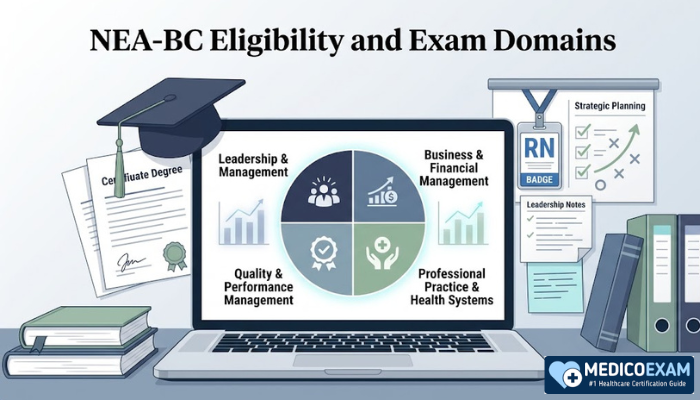 The ANCC Nurse Executive Advanced Board Certification (NEA-BC) validates executive-level nursing leadership for professionals with organization-wide or system-wide influence. The computer-based exam contains 150 questions (125 scored and 25 unscored pretest items), allows 3 hours of testing time, and requires a minimum scaled score of 350 out of 500 to pass. This guide covers everything senior nurse leaders need to know about eligibility, exam content, study strategies, costs, and renewal for 2026.
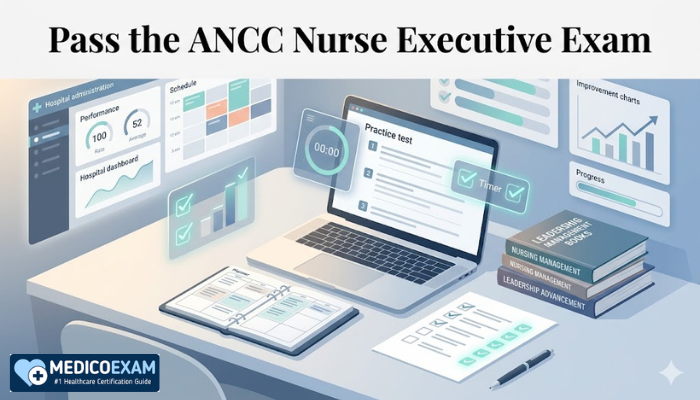 he ANCC Nurse Executive Board Certified (NE-BC) credential validates the leadership competency of registered nurses who manage daily unit operations, staffing, and staff development. Awarded by the American Nurses Credentialing Center, the NE-BC exam contains 150 questions (125 scored plus 25 unscored pretest items), allows 3 hours, and requires a scaled score of 350 out of 500 to pass. In 2024, 1,317 candidates sat for the exam, and approximately 66 percent passed on their first attempt. This guide covers every detail you need — eligibility requirements, domain breakdowns, a week-by-week study plan, and a side-by-side comparison with the NEA-BC credential.
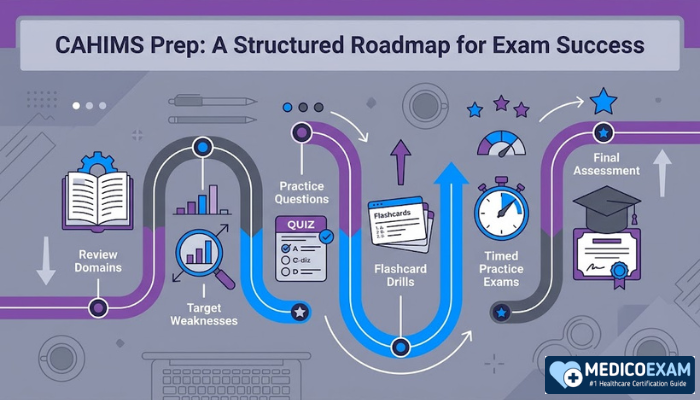 The HIMSS Certified Associate in Healthcare Information and Management Systems (CAHIMS) certification offers a foundational credential for professionals entering or advancing within the dynamic healthcare IT sector. This certification, recognized by HIMSS, validates essential knowledge and skills required to navigate the complex intersection of healthcare operations and information technology. It is specifically designed for emerging healthcare IT professionals, including new graduates, early-career specialists, and those transitioning into the field, aiming to equip them with a comprehensive understanding of healthcare IT environments, clinical informatics, systems management, and leadership principles. This article will provide a detailed overview of the